A 3,000-meter tweed contract usually takes months to negotiate and weeks to sample. This one took a 7-day sample and a single round of revisions — and the difference was not luck, it was process. This is the story of how a 7-day sample cycle secured a 3,000-meter custom tweed order for a European outerwear brand, and the specific steps that made the timeline possible: a complete spec up front, a swatch matched to the pattern, one round of color revision, and production booked against the sample approval.
Day 0: The Spec That Made Speed Possible
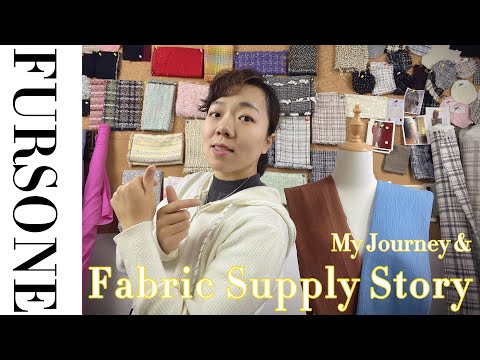
The brand had a completed tech pack: a wool-blend boucle tweed, 420 GSM target, a specific colorway (three colors in the weave), and a swatch from a European mill they wanted matched. That document was the entire difference between a 7-day sample and a 6-week one. When a buyer arrives with a spec that complete, the mill does not spend the first two weeks asking questions — it spends day one sourcing yarns, day two setting the weave, and day three weaving. The industry norm of 6 weeks for a sample is mostly question-and-answer time, not production time. The lesson for brands: the sample clock starts when the spec is complete, not when the inquiry arrives.
Days 1–4: Yarn Sourcing and Weave Setup
Three yarns went into the sample: a wool blend for the base, a nylon for structure, and a fancy effect yarn for the boucle loops. The yarns had to be matched to the European swatch’s hand and loop density, which meant two rounds of yarn selection on day one and day two. The weave was a boucle construction on a rapier loom, and the warp was prepared to the production spec — not a “sample warp” with different tension. That decision is worth calling out: sample warps that differ from production warps are the classic cause of sample-approved, bulk-rejected fabrics. Fursone’s 7-day sample program weaves the sample under production parameters from day one, which is why approved samples transfer to bulk without a second surprise round — and the same documentation discipline covers the quality and chemical-safety certificates (OEKO-TEX Standard 100 among them) that the brand’s compliance team needed before the PO, verifiable through the OEKO-TEX certificate search.
Days 5–7: Finishing, the First Revision, and Approval
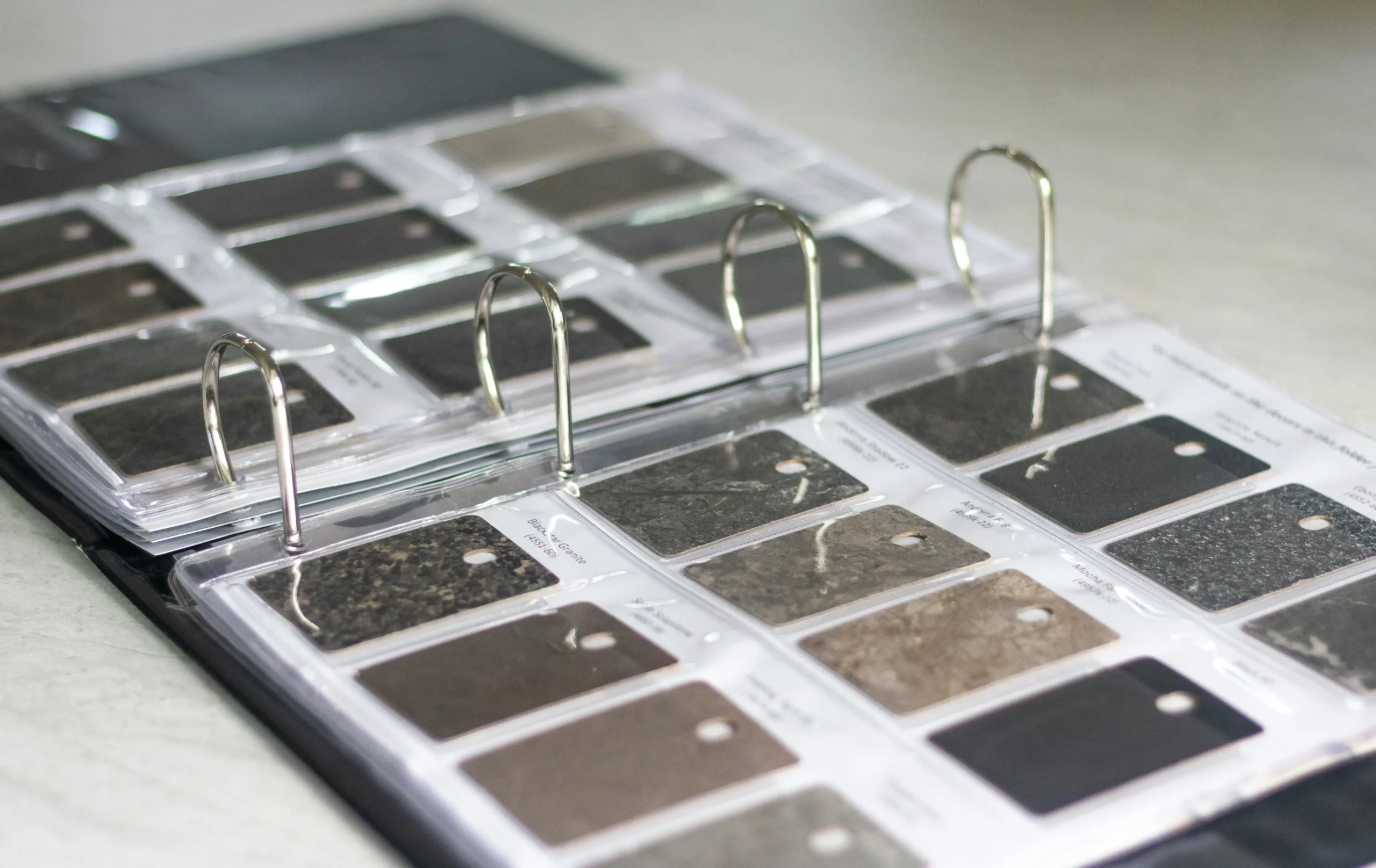
The sample came off the loom on day five, finished on day six, and shipped on day seven — with two meters of fabric, not a single swatch card. The brand’s designer asked for one revision: the effect yarn density was slightly heavier than the European swatch. The revised sample was woven within the same cycle because the yarn was already sourced and the warp was still dressed. A traditional mill would have started a new sample round, adding four to six weeks. The contract for 3,000 meters was signed against the revised sample, with production booked to start the following week — the sample’s production-parameter weaving meant no second approval round was needed before bulk.
Why the 7-Day Cycle Changes the Buying Math
For a European brand, the difference between a 6-week and a 7-day sample is not convenience — it is a season. A sample that lands in seven days can catch a production window that closes in four weeks; a six-week sample misses it and the order moves to next season or another supplier. The cost side matters too: in the traditional model, a failed sample round costs weeks; in a 7-day model, a failed round costs days. Brands building seasonal programs with tight calendars should treat sample cycle length as a supplier capability to evaluate in the same way as price and MOQ. For a view of the full workflow behind fast sampling, our sketch-to-swatch 7-day workflow walks through each step in detail.
What the Brand Did Right (and What You Can Copy)
Four behaviors made this order work. Complete spec on day zero — no open questions; a target swatch — matching is faster than inventing; one revision discipline — the designer consolidated feedback into a single round instead of drip-feeding changes; and production booking on sample approval — the 3,000-meter slot was reserved the day the sample was approved, not “whenever the mill has capacity.” All four are buyer-side decisions; any mill with a fast sample program can execute them. If your brand is running a wool or tweed program and the sample cycle is the bottleneck, the 5,000-meter herringbone case study shows the same pattern at larger scale, and our custom manufacturing page explains how the 1,000-meter custom MOQ and 7-day sample cycle are structured.
FAQ
How can a fabric sample be ready in 7 days?
By removing the question-and-answer time: a complete spec, pre-sourced yarns, and weaving the sample under production parameters from day one compress the work into the production steps only.
Why do sample warps cause bulk rejections?
Because a sample warp with different tension or yarns produces fabric that cannot be reproduced in bulk; weaving samples under production parameters eliminates the second surprise round.
What makes a spec “complete” for sampling?
Fiber composition, target GSM, colorway, a reference swatch, and the end use; with those five items a mill can start yarn sourcing on day one.
Should I book production before sample approval?
Reserve the production slot on approval day, not before — and confirm the mill can hold capacity for the sample-approved program while the final PO is issued.
A 7-day sample is a process achievement, not a miracle: complete spec, matched yarns, production-parameter weaving, one revision round, and capacity booked on approval. Run your next program the same way and the calendar stops being the enemy. More case studies: the 3-week stock boucle reorder and the multi-factory boucle program.

Related Insights

Case Study: Regional Brand Reorders Stock Boucle in 3 Weeks
How a regional fashion brand reordered 800 meters of stock boucle in 21 days: timeline...
Case Study: Outerwear Brand Runs a Cable Knit Program Across Two Seasons
Running the same fabric program across two consecutive seasons sounds simple, but it requires careful...
Case Study: Outdoor Brand Sources Water-Repellent Tweed for 3,000-Piece Jacket Line
An outdoor lifestyle brand came to us with an unusual request: they wanted the heritage...