

The most expensive mistake a startup fabric buyer makes is ordering custom fabric for a collection nobody has tested yet. The cheapest correct move is a two-phase strategy: launch from stock with no minimum, then move only the proven SKUs to custom production at the mill’s 300-meter minimum. This case study follows a four-person startup through both phases and itemizes what each phase cost, taught and returned.
The Setup: Six Styles, One Budget, Zero History
The brand launched a small outerwear and knit range with six styles and a first production budget that could not survive a mistake. A conventional custom quote meant six fabric developments at 300 meters each, six sampling cycles, and a cash position that assumed every style would sell. The founder’s own words in the first call: “Five of these six styles are guesses. I will pay for certainty on one.”
Cash discipline guidance from the US Small Business Administration makes the same point for young companies: committed capital against untested products is the documented failure mode. That framing set the strategy. Fursone’s ready stock program carries over 100,000 meters with no minimum order quantity and 3 to 7 day shipping, which turned the six fabric developments into a stock selection exercise: pull swatches, test drape and weight on real patterns, and buy only the meters the first production run needed.
Phase One: Launch From Stock
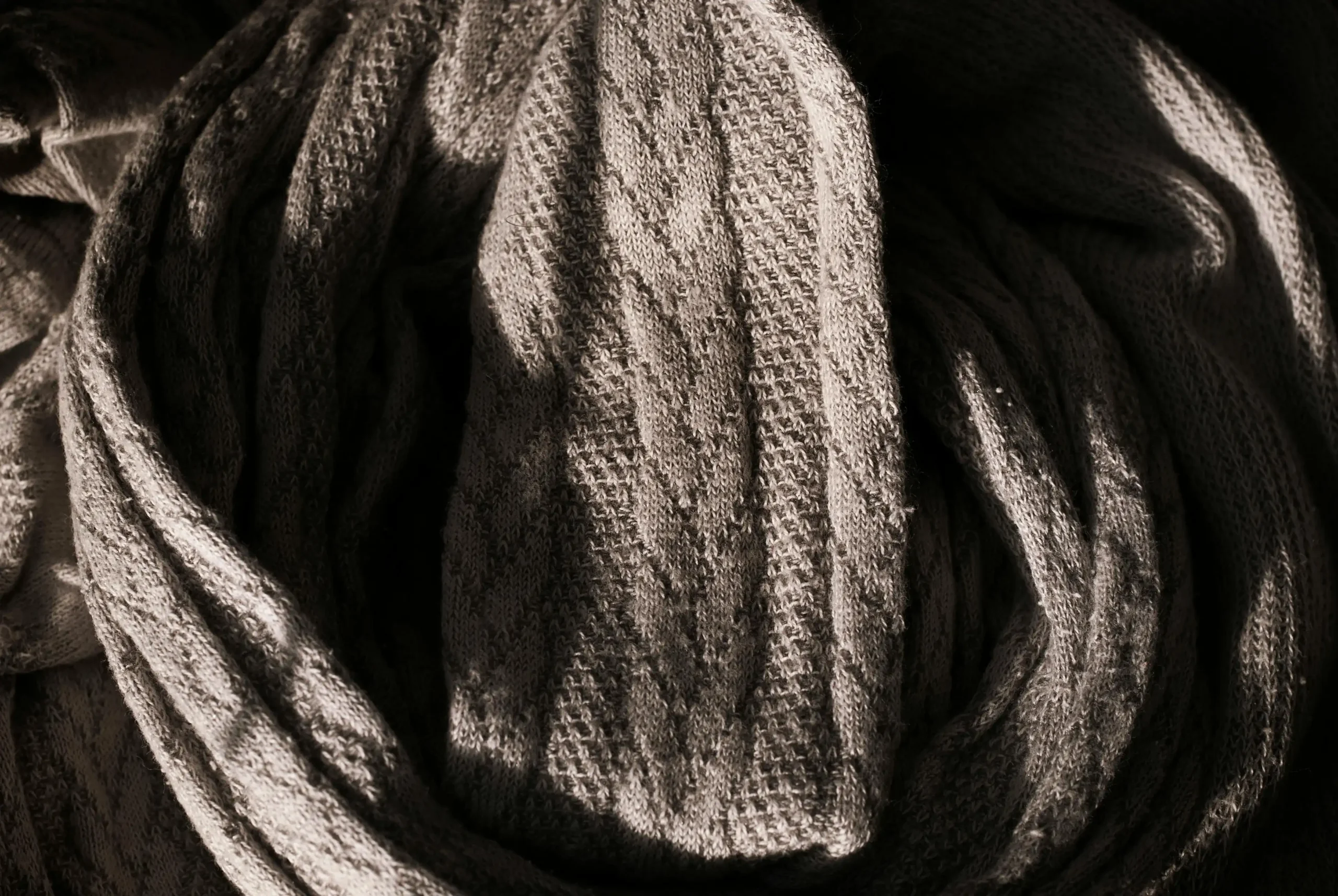
Phase one covered all six styles from stock meters. The buying logic per style: order the exact meters for a first production run plus a small reserve, hold the reserve at the warehouse rather than the brand’s studio, and treat every style as a test with a defined sell-through checkpoint. Shipping from stock in 3 to 7 days meant the brand kept fabric inventory nearly off its own balance sheet and reordered mid-season when a color moved faster than planned.
What phase one returned: sell-through data by style and color, real production feedback (a knit that relaxed more than the swatch suggested, solved with the pattern adjustment described in our stretch and recovery test guide), and photos of finished garments doing marketing work. Two styles emerged as clear winners; one failed and was discontinued without a single leftover custom meter.
Phase Two: Custom Only the Winners
Phase two moved the two winning SKUs to custom production at the 300-meter minimum: one boucle in a proprietary colorway sampled through the mill’s 7-day process, one wool-rich tweed with a custom weight. Sampling in 7 days against the industry’s six-week norm kept the phase-two calendar inside a single quarter. The winners’ phase-one sales history became the negotiation baseline for volume: the brand knew the reorder pace before committing to 2,000 total custom meters, and the two styles carried the custom cost easily while the four discontinued guesses had cost nothing in development.
The structural comparison between phases is the takeaway. Buyers weighing the same fork can start from the MOQ mechanics in knit fabric MOQ expectations, the custom development path in sourcing custom knits, and the sampling calendar in the 5-stage sampling timeline.
The Two-Phase Rules, Generalized
Rule one: stock buys information. A stock order’s unit price is usually higher than a custom run’s per-meter price, but it buys sell-through data that a custom development cannot. Paying slightly more per meter on unknown styles is cheaper than paying a custom minimum to learn a style fails.
Rule two: custom buys margin and exclusivity. Once a style proves itself, custom meters at mill-direct pricing (30 to 50 percent below comparable European tweed at our mill) convert proven demand into margin, and a proprietary colorway becomes a reason buyers cannot price-shop your garment.
Rule three: the handoff needs a calendar. Move a style from stock to custom while stock still covers one production cycle, so the custom delivery lands as stock runs out. Brands that wait until stock sells out insert a gap between the phases and lose the shelf momentum the data was supposed to protect.
Frequently Asked Questions
Is stock fabric good enough for a launch collection?
Yes for testing. Stock meters carry the same mill quality as custom runs; what changes at custom stage is colorway ownership, weight control and margin.
What is the custom minimum at Fursone?
300 meters for custom weight, color and composition, with 7-day sampling. Stock requires no minimum and ships in 3 to 7 days.
When should a startup switch a style to custom?
When its sell-through is proven and stock coverage is down to roughly one production cycle, so custom delivery lands as stock exhausts.
How much does phase one cost versus phase two?
Phase one costs only the meters a first run needs, with no development or minimum commitment. Phase two commits 300 meters per fabric but at better per-meter pricing on proven demand.
Map your own two-phase plan: send your style list and first-run quantities to info@fursone.com, or message WhatsApp +86 134 5607 1339. Stock swatches ship fast through the ready stock program, and custom development starts at the custom manufacturing page.
Related reading: Reading a Swatch Book Like a Strategy: Layering Stock and Custom Tweed

Related Insights
Case Study: Home Textile Brand Trials Tweed for Cushion Covers
When a home textile brand thinks about tweed, outdoor coats usually come to mind first....

Case Study: A Wholesaler’s First Custom Color, From Pantone to Production
How a fabric wholesaler turns a Pantone reference into a repeatable custom colour: light source,...

Case Study: Winter Coat Brand Switches to Woolen Tweed for Lighter Weight
Case Study: Winter Coat Brand Switches to Woolen Tweed for Lighter Weight Winter coat buys...