
The short answer: knit fabric MOQ is not a fixed number. It depends on whether you buy a ready-stock knit, run a custom knit to your spec, or commission a colour match. A ready-stock knit can ship in a modest quantity, while a custom or colour-matched run needs a much larger minimum, and that drives both your unit cost and your timing.
Why knit MOQs differ from woven MOQs
two-phase stock and custom strategy
Knit fabric is produced on a circular or flat machine and, unlike a woven cloth, it is often made to order rather than held as a wide stock. That means the mill sets a minimum based on the machine set-up, the yarn purchase and the dyeing lot. A custom knit with a specific fibre blend or a custom colour almost always has a higher minimum than a standard ready-stock knit, because the mill must buy yarn and set the machine for your spec alone.
Knit MOQ tiers
| Knit type | Typical MOQ | What drives it | Best for |
|---|---|---|---|
| Ready-stock knit | Low, by the roll or meter | Already produced, off the shelf | Sampling, small brands, quick order |
| Custom knit to spec | High, by weight or metres | Yarn purchase + machine set-up | A full product line |
| Colour-matched knit | Often the highest | Dye lot for your shade | A branded or consistent line |
The MOQ is really a yarn and machine question. A mill that has a yarn on hand and a machine free can run a smaller batch, while a spec that needs a new yarn or a new colour match requires a larger commitment. When you ask for an MOQ, ask what drives it, because the answer tells you whether the number is fixed or flexible.
What a knit MOQ actually buys you
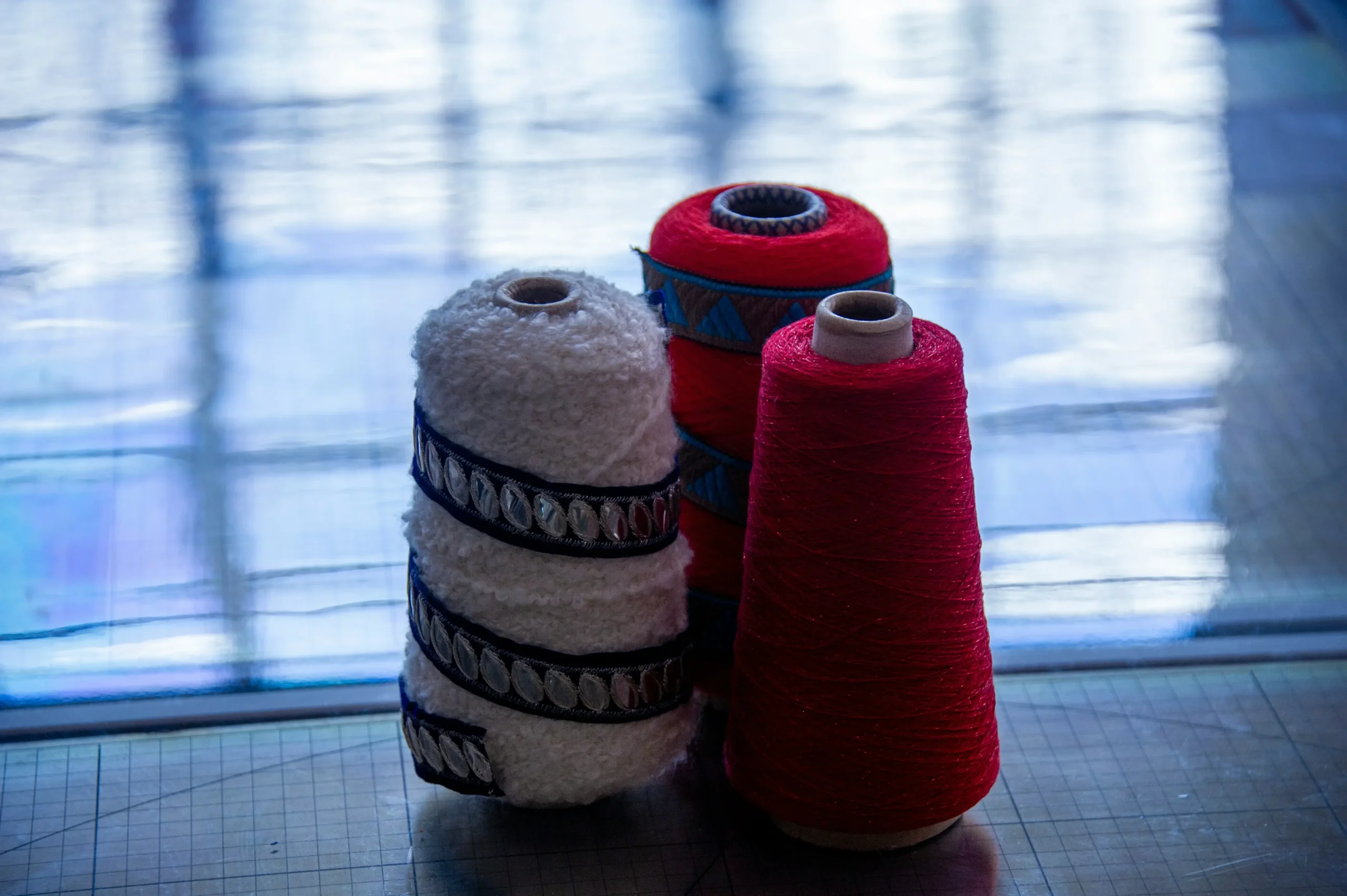
An MOQ is not just a quantity, it is a commitment. The mill commits machine time, yarn and labor to your run, and that is why a custom knit has a high minimum. In return you get a fabric made to your spec, in your colour, at a unit cost that reflects the set-up. If your quantity is well below the MOQ, a ready-stock knit or a smaller local run is the better route, because it avoids paying for a set-up you will not use.
MOQ and your sampling cycle
Before you commit a bulk MOQ, usually you sample. A sampling run is smaller and is a separate cost from the bulk MOQ. It lets you check the hand-feel, the drape and the colour, and it is the stage where you catch a problem before it multiplies. Confirm the sampling cycle and the sampling cost separately from the MOQ, so you are not surprised when the two are billed differently.
See how long knit sampling usually takes: the sample cycle feeds directly into when you can place the bulk MOQ.
MOQ and your unit cost
The biggest misconception is that a higher MOQ always means a cheaper unit cost. Up to a point it does, because the set-up cost is spread over more metres. But past a certain quantity, the savings flatten and you are paying for yarn you may not need, plus the handling of a larger order. The sweet spot is the quantity where your unit cost stops falling fast, not the largest number a mill will quote.
MOQ and the weight you plan on
Knit fabric is priced by weight, and the weight (GSM) changes the metres you get from a kilo. If you plan a line around a certain GSM, the MOQ translates into a metre count that depends on the weight. A lighter knit yields more metres per kilo than a heavy one, so the same MOQ by weight covers a different amount of fabric. Confirm the GSM and the weight together, so you know how much finished product your MOQ actually covers.
MOQ and the standard to check
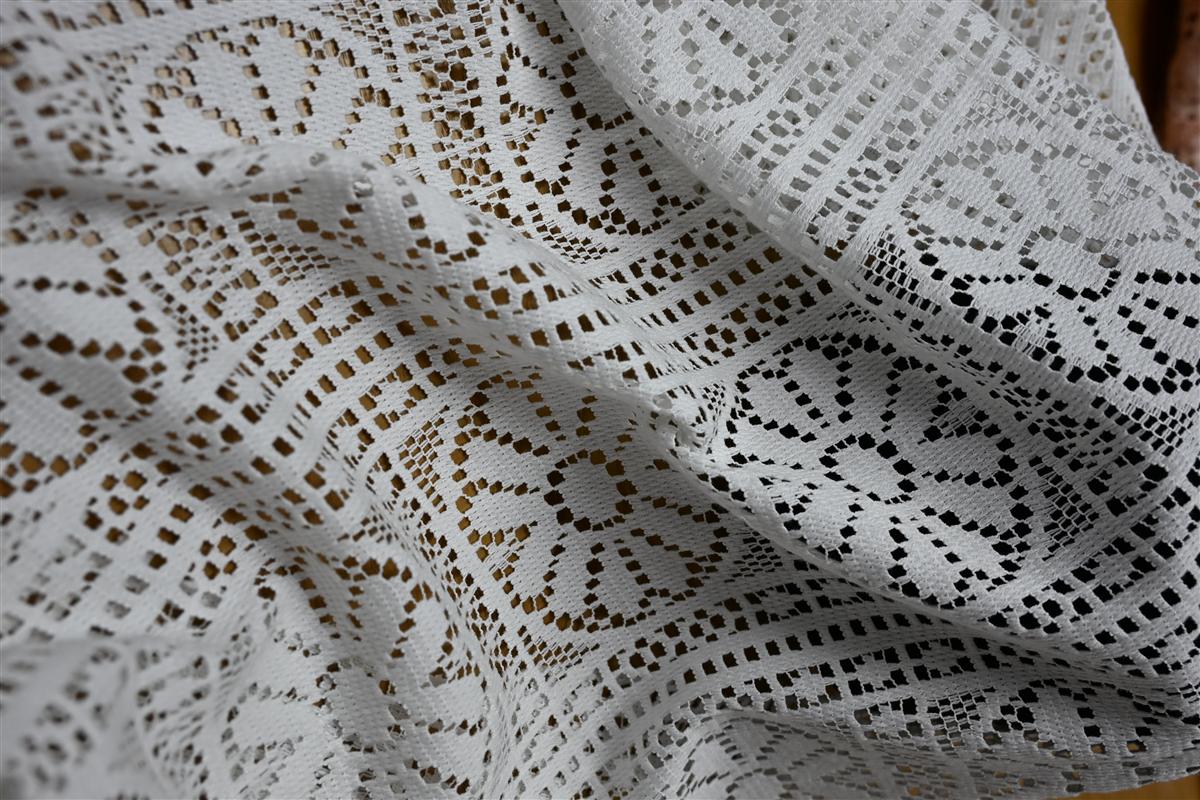
If a knit carries a certification such as OEKO-TEX, that certification is tied to the specific yarn and process, and it is the document that makes the fabric safe for its intended use. When you place a knit MOQ that will go into a product next to skin, confirm the certification is current for the exact spec you are ordering. A current certificate is the document a retail buyer will ask to see, so it belongs with the MOQ.
OEKO-TEX Standard 100 certifies that a finished textile is safe for close-to-skin use: check it on the spec you plan to order.
FAQs about knit fabric MOQ
What is a typical knit fabric MOQ?
It depends on the type. A ready-stock knit has a low MOQ, while a custom or colour-matched knit needs a much larger minimum because of yarn purchase and set-up.
Why do colour-matched knits have a higher MOQ?
A colour match needs a dye lot for your specific shade, which is an extra commitment for the mill on top of the yarn and machine set-up.
Can I sample before the bulk MOQ?
Yes. A sampling run is smaller and is billed separately from the bulk MOQ, and it is where you catch a hand-feel or colour problem.
Does a bigger MOQ always mean a cheaper unit?
Only up to a point. Past the quantity where unit cost stops falling fast, you are paying for yarn and handling you may not need.
How does GSM change what an MOQ covers?
Knit is priced by weight. A lighter knit yields more metres per kilo, so the same weight-based MOQ covers a different amount of finished fabric.
Match the MOQ to the route
Choose a ready-stock knit for a low quantity, and reserve a custom knit for a committed line where the set-up pays off. Confirm the sampling cycle, the GSM and the certification before you place the bulk. If you want to confirm the right MOQ for your knit line, talk to our knit fabric team.
Related reading: Knit Fabric Wholesale: Buying Direct From the Mill
Related Insights

Reading Knit Gauge: What 7gg, 12gg and 14gg Mean for Sweater Programs
Gauge numbers appear on every sweater knit quotation, 7gg, 12gg, 14gg, and too many buyers...

Moisture-Wicking Knits: Sources, Test Methods and Durability
Moisture-wicking is one of the most quoted claims in knitwear and activewear sourcing, and one...

Does Knit Fabric Shrink After Washing? Relaxation, Felting and What to Specify
Yes, knit fabric shrinks after washing, and the question is never whether but how much...