
Buying knit fabric wholesale direct from the mill changes three numbers that matter to a brand: the price per kilogram or meter, the minimum you must commit to, and the control you have over what arrives. Direct programs trade convenience for structure, so the buyers who win with direct sourcing are the ones who bring specifications instead of swatch photos, and who understand where knit pricing actually moves.
Fursone runs direct wholesale programs on knit and woven lines from Wenzhou, where 300 looms have run since 2020, alongside a ready stock base of roughly 100,000 meters for buyers who are not ready for custom minimums. This article covers how direct knit wholesale is priced, what to put in an RFQ, and when the stock program beats the custom program.
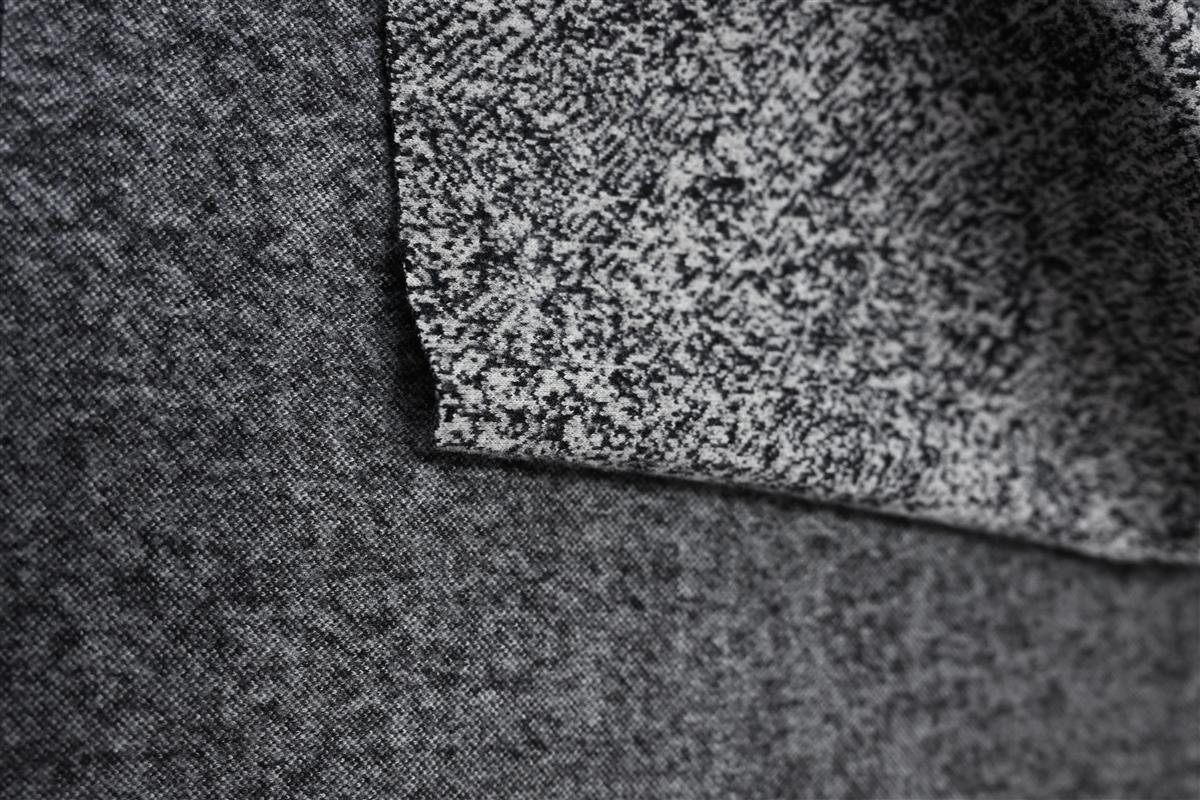
How knit wholesale pricing actually moves
buying boucle direct from the mill
Knit fabric is priced from four inputs, in order of impact: fibre cost, weight per square meter, construction complexity and finishing. Fibre is the biggest lever, because a wool-rich blend and an acrylic equivalent can differ several times over at the yarn stage. Weight scales almost linearly within a construction: more kilograms of yarn per meter of cloth, more cost. Construction complexity covers jacquards, cables and double-faces that run slower on the machines. Finishing adds washing, brushing, anti-pilling or heat setting, and each treatment has a price and a lead time consequence. When a quote looks out of line, one of these four is the reason, so ask which one changed.
| Cost driver | How it moves price | Buyer lever | Spec line to fix | Typical impact |
|---|---|---|---|---|
| Fibre content | Wool-rich blends price multiples above acrylic | Blend ratio | Exact percentages by fibre | Highest |
| Weight | Yarn kilograms scale with GSM | Target GSM with tolerance | GSM plus-or-minus tolerance | Near linear |
| Construction | Jacquard and double-face run slower | Simplify repeats where possible | Machine type and repeat size | Moderate to high |
| Finishing | Anti-pilling and heat setting add steps | Specify only what the garment needs | Finish recipe per style | Moderate |
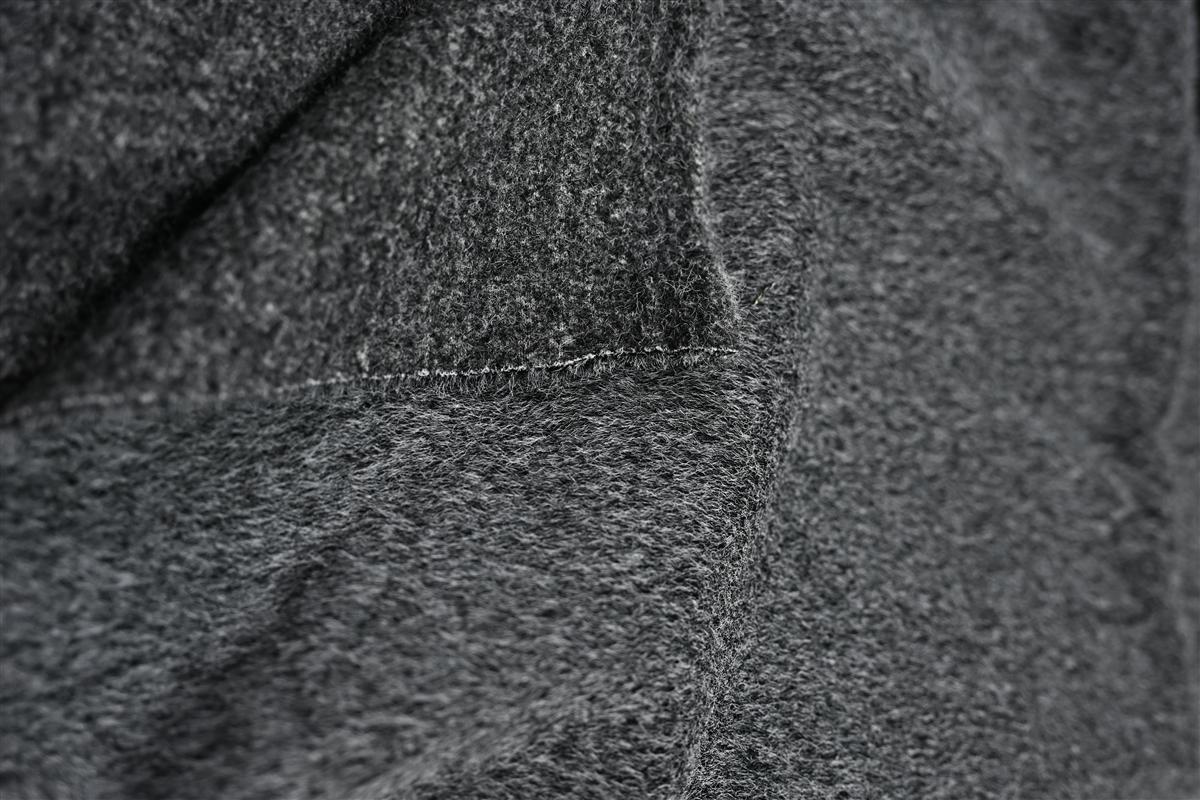
The RFQ lines that get an accurate quote
Direct mills quote from specifications, so the RFQ should carry five lines: fibre percentages, target weight in GSM with tolerance, construction reference or photo, finishing recipe and the quantity per colourway. A spec-accurate RFQ gets a costed answer in days; a swatch photo gets a guess that gets revised after sampling. Quantity structure matters too: our custom loom programs start at 300 meters per colourway because the machines must be set and the yarns programmed, and the price per meter improves stepwise as volume climbs. Buyers planning the full cost picture, including freight and duty, can work through our fabric cost and logistics guides alongside the quote.
When the stock program beats going custom
Custom wins on margin once volumes justify minimums, but stock wins on speed and risk. From a 1,000,000-meter ready base, buyers order by the meter, test on real garments and reorder the winners; sampling and dispatch take about 7 days from stock, while custom cycles add production lead time on top. The honest sequence for a new brand is often stock first, custom second: prove sell-through on stock qualities, then move the repeat winners into custom programs where colourways and blends are locked to the brand. Our knit side is mapped on the performance knit program page, and the minimums question is broken down further in our knit MOQ guide, with the sampling steps covered in how to source custom knits.
Video: from fabric to garment on the wholesale line
Import paperwork basics for direct orders
Direct wholesale usually means the buyer imports, so the paperwork belongs in the plan: fibre composition certificates for customs, HS classification per quality and a packing list that separates qualities and colours per carton. Classification follows construction and composition, and buyers can verify headings against the official Harmonized Tariff Schedule before the commercial invoice is cut. Mills that ship direct provide the composition documents; the buyer’s broker does the rest.
Frequently asked questions
What minimum should I expect for direct knit programs?
Plan around 300 meters per colourway for custom loom programs. Below that, a ready stock program ordered by the meter is usually the better commercial path.
Why did my reorder price change?
Yarn markets move, and one of the four cost inputs changed: fibre, weight, construction or finishing. Ask which line moved rather than negotiating in the dark.
Can I mix qualities in one shipment?
Yes, and mills consolidate cartons by quality and colour for customs clarity. Keep the packing list separated per quality so clearance stays smooth.
Is knit GSM tolerance negotiable?
Every knit carries a tolerance band, commonly a few percent around target depending on construction. Fix the tolerance in the spec, because price and performance both depend on it.
See also our single jersey vs interlock guide. See also our tweed mill lead time guide.

Related Insights

Rib Knit Trims for Cuffs and Waistbands: 1×1, 2×2 and Tubular Compared
A cuff that opens up after three wears is almost never a fit problem. It...
Gauge and Machine Diameter in Knit Fabric: Reading a Specification
Two knitting mills can both quote a single jersey at 180 grams and deliver fabric...

Fibre Diameter and Micron: What the Number Means for Next-to-Skin Knitwear
Ask a knitwear buyer what makes a sweater comfortable and the answer usually comes back...