negotiate moq GRS-certifiable knit fabrics is the first checkpoint buyers should lock before they approve a supplier, budget, or production slot. Why did that pre-production sample pass your sample approval check with flying colors, yet the production run of GRS-certifiable knit that just arrived are a full shade lighter and noticeably thinner? The mill blames a ‘dye lot variation,’ but you know the real story—your QC folder shows a quality tolerance gap wide enough to sink a costly batch order. If you’ve been burned by a sample that didn’t scale, the conversation shifts fast. It’s not about the FOB price per kilo anymore. It’s about how to negotiate MOQ GRS-certifiable knit fabrics without betting your entire season’s credibility on a single bulk run.
I’ve audited mills across 12 countries, and the ones that quietly serve small, eco-driven brands rarely put their real flexibility on the website. A mill might list 300 meters as the custom MOQ, but sit on 100-meter in-stock lots of eco knit fabrics—leftover deadstock or overrun from a larger brand’s previous program. You won’t see that advertised. You get it by asking one specific question: ‘Do you have any deadstock or overrun from your last eco knit program I can buy at minimum lengths?’ That single line has unlocked small-batch access to traceable, luxury-grade eco knits for designers I’ve worked with, with zero custom development cost and full FOB pricing transparency.
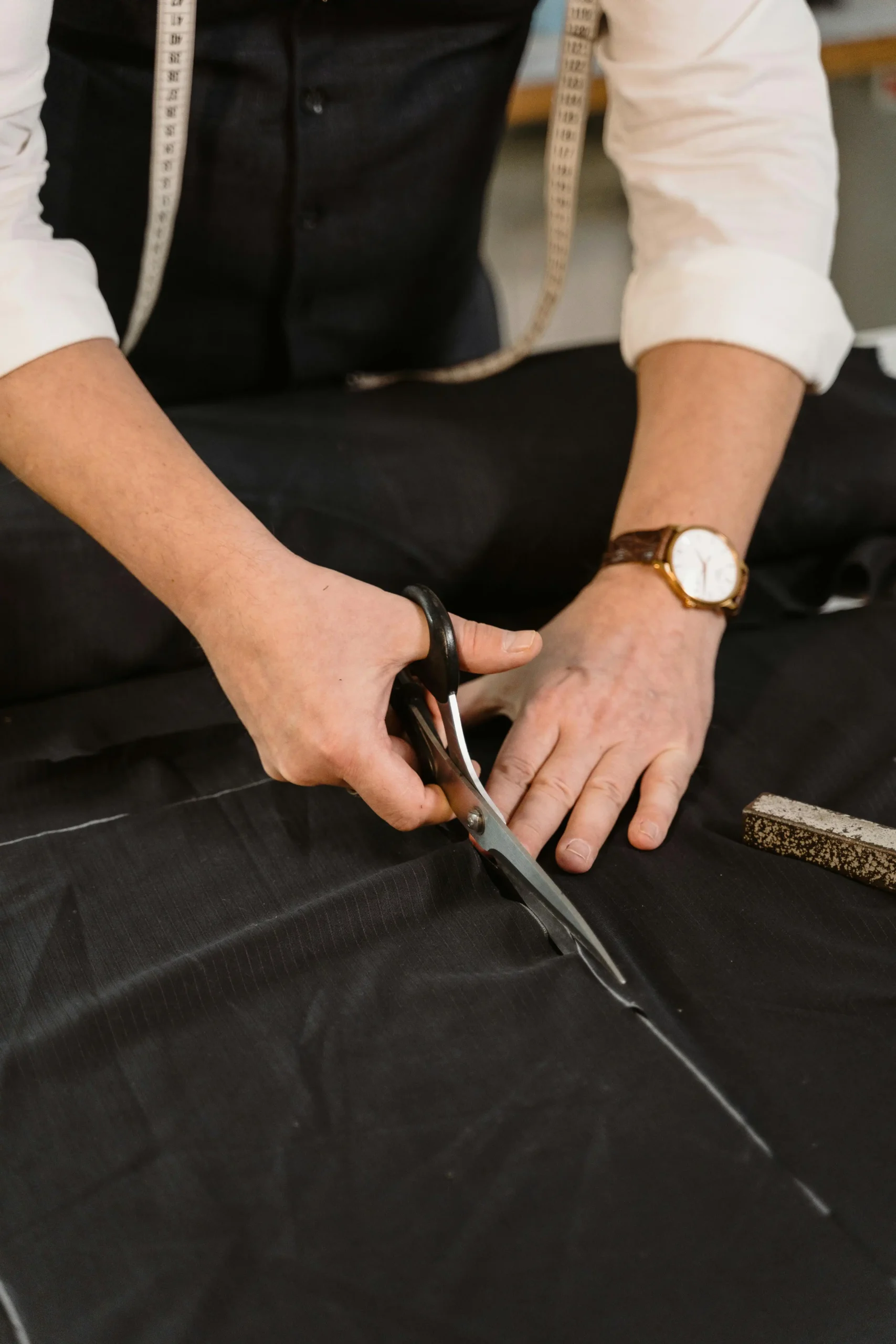
Why MOQs Exist and How They’re Calculated
A mill won’t spin a single cone of slub yarn just because your sketch looks beautiful.
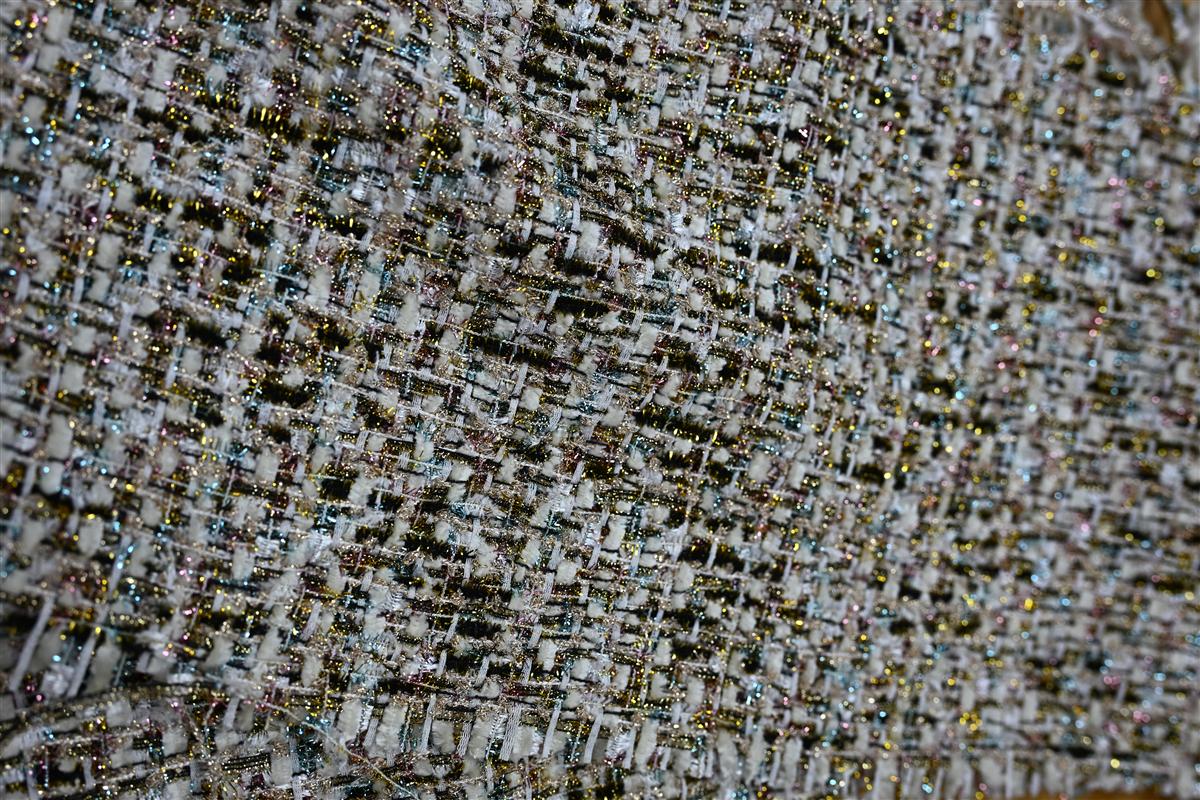
When you order GRS-certifiable recycled polyester or Australian Merino wool, you’re not just buying the fibers. You’re paying for an entire run at the spinner’s facility. Spinning mills carry minimums per color and blend — often 50 kg to 200 kg per yarn count — because swapping cones and re-threading machines for a tiny batch kills their margins. At our partner mills in Wenzhou, this is a daily reality: a fancy yarn blend using Japanese metallic lurex and recycled cotton requires sourcing at least 3 separate yarn lots. Each supplier demands a minimum order before they’ll even open a production ticket.
Dye lots create the second hard floor. Knit fabrics are dyed in full immersion baths, not piece by piece. A 50-meter run still consumes an entire dye vessel. If we split the vessel into smaller baths, the shade variation between lots becomes unacceptable. Chain stores famously reject shipments when sleeve panels don’t match body panels — a direct consequence of stitching fabric from two different dye lots. That’s why mills consolidate small orders into one dye run, and why the MOQ often lands at the minimum level that fills one machine completely.
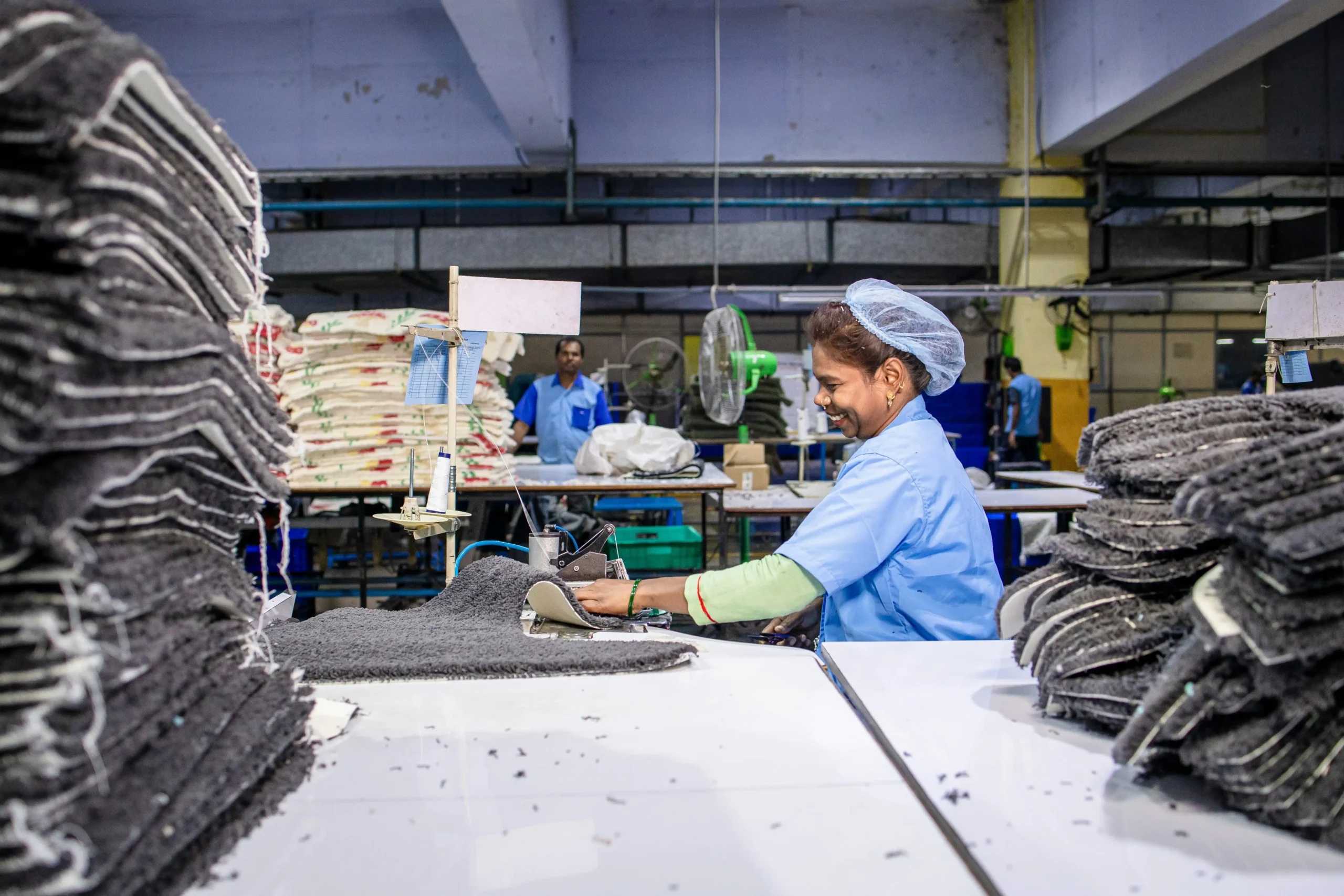
Customizing a yarn blend is where the math gets brutal for emerging designers. On our production line, switching from a standard bouclé to a custom slub yarn with a specific GRS-certifiable recycled polyester core involves a full machine recalibration. Technicians spend 4 to 6 hours adjusting roller speeds, twist settings, and tension guides. During that time, the machine produces nothing salable — just waste cones used for tension testing. Machine setup involves significant labor and material cost per run, regardless of whether the final order is 100 meters or 10,000 meters.
That fixed cost gets smeared across every meter. At 100 meters, the setup cost adds a steep per-meter penalty. At 300 meters, it becomes negligible per meter. This is exactly why the 300-meter custom MOQ exists — not to block small brands, but to reach a point where the per-meter surcharge doesn’t make your landed cost look like a joke. European mills often require high minimums because their hourly labor is higher and they run older, slower changeover equipment.
Here’s the insider workaround most mills won’t volunteer: ask if they have stock greige fabric from a recent custom program that can be dyed to your specification. We maintain ready-stock knit fabrics in 100-meter rolls precisely for designers who need a low minimum entry point. You sacrifice total uniqueness on the yarn construction, but you keep the sustainability certification and the price integrity. Asking about deadstock or overrun from a previous program can unlock small-batch access.
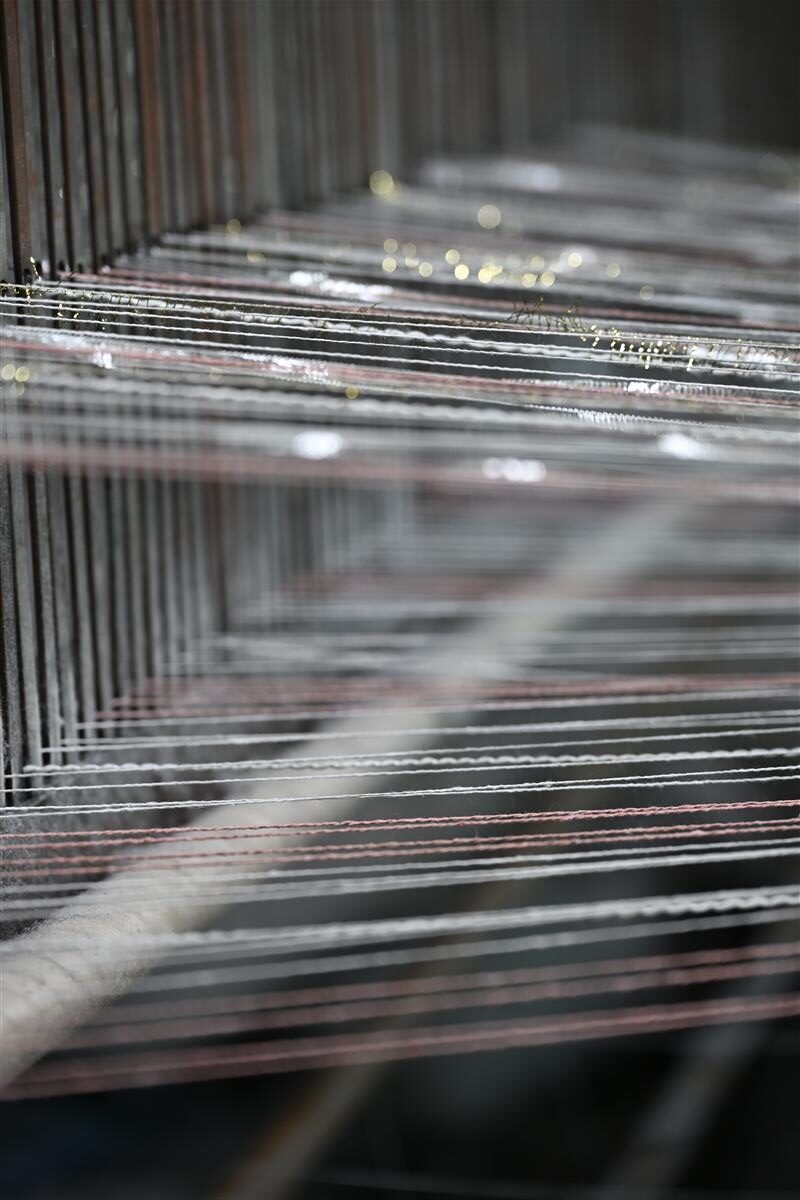
5 Tactics to Lower Your MOQ
Most mills won’t tell you their 1000m MOQ is actually negotiable down to 100m if you know what to ask.
the vast majority of emerging designers waste months chasing factories that will never budge on minimums. They quit before discovering that the same mills listing 1000m MOQs are sitting on 100m in-stock programs they simply don’t advertise. The difference between getting locked out and getting your first production run lies entirely in how you frame the conversation.
A sustainable brand founder lost a a costly batch order because she didn’t understand this dynamic. Her pre-production sample was flawless—she’d sourced 5 meters of a GRS-certifiable cable knit from a Wenzhou mill. But when she needed 200 meters for the full collection, the mill stonewalled her. They claimed the 1000m minimum was non-negotiable and the sample-quality texture couldn’t be replicated at any smaller dye lot. She had no fallback position, no alternative material, and a furious buyer. The sample approval process is meaningless if you haven’t secured a mass-production pathway in parallel.
That failure taught us something the mills don’t want you to know: the 1000m MOQ figure is almost always a negotiating position, not a technical constraint. The actual drivers are raw material minimums (fancy yarn spinners typically require 50-80kg per batch) and machine setup costs. But a smart mill running specialist spinning lines—like those producing slub, bouclé, and chenille yarns in-house—has far more flexibility than one buying commodity yarns off the shelf. The five tactics below bypass the public MOQ entirely.
- Tactic 2: Ask about shared program options. Some mills will combine your order with another small brand’s production run on the same base quality, splitting the dye lot across two buyers. This is never advertised publicly, but mills running multiple emerging-designer accounts often have overlapping production schedules. You get your custom color on a shared base knit.
- Tactic 3: Propose a phased order with hard commitments. Offer 100m for immediate delivery with a signed PO for 1000m within 60 days contingent on quality tolerance approval. This gives the mill confidence to absorb the setup cost on the first run because they see the follow-through. The key is to include specific quality tolerance language in the PO—like ±5% weight variance (g/m²) and ±2% shade matching—so the mill knows you’re a professional buyer, not a hobbyist.
- Tactic 4: Offer a surcharge for under-MOQ production. A mill’s real objection to small orders is margin erosion. If you acknowledge that and price it in, you change the dynamic. A reasonable surcharge on a 100m custom GRS-certifiable knit run can still deliver FOB pricing that beats European mill pricing significantly. You preserve your margin while the mill protects theirs.
- Tactic 5: Time your order during the off-peak season. Most Wenzhou mills slow down between Chinese New Year (late January/February) and March, and again in August. During these windows, production teams are more willing to accommodate short runs because machine utilization drops. A 100m order that gets rejected in September gets approved in February.
Here’s what costs you real money if you ignore this. Skipping the negotiation step means paying for 1000 meters when you only need 100—that’s significant capital tied up in excess inventory. That capital sits dead on your shelf while you scramble to design around fabric you never wanted. Emerging brands have burned through significant operating runway on overstock bought just to hit a minimum. Repeated overstock can threaten a young brand’s viability.
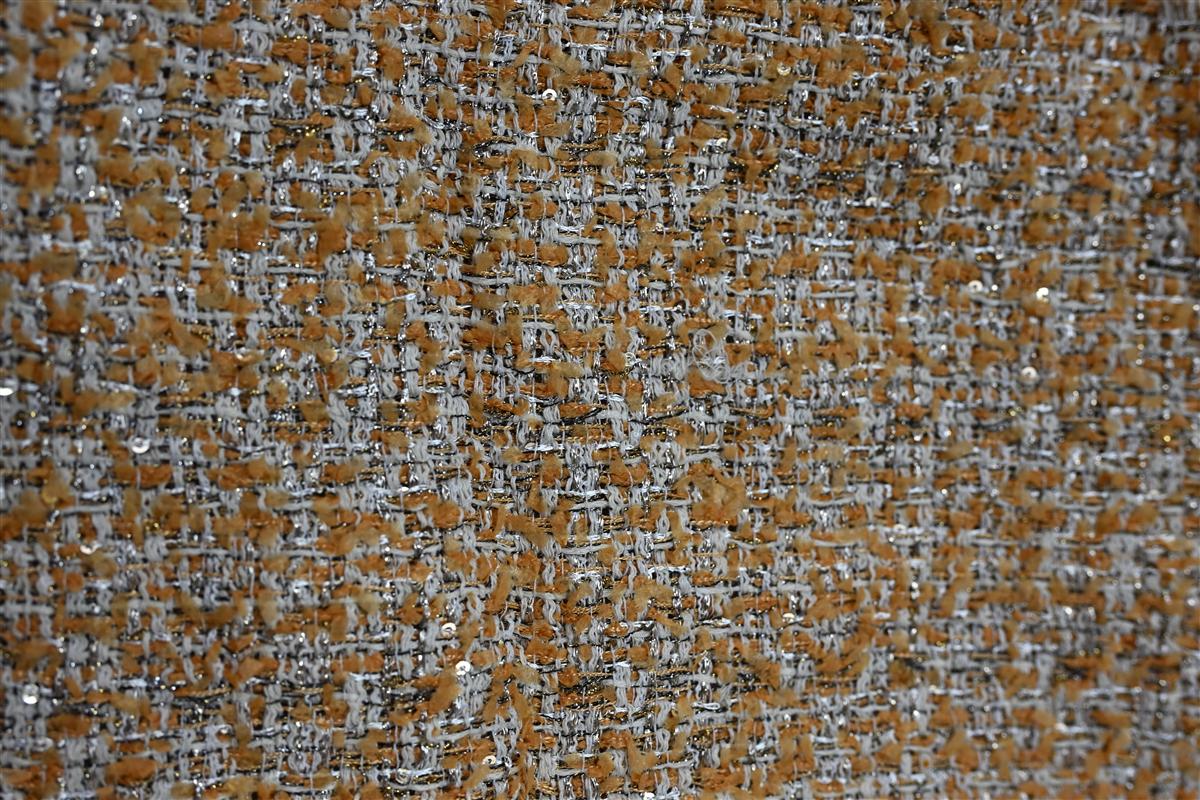
How to Frame Your Request Professionally
A poorly structured inquiry on a major order screams amateur, ensuring your production run gets bottom-tier attention.
The box arrives, you slice through the tape, and your stomach drops. The pre-production sample had a soft hand feel and a crisp 380g/m² weight, but the production yardage feels thin and lifeless. You didn’t lock in a written quality tolerance, and now you’re staring at a costly production mistake. This isn’t the mill’s fault—it’s a failure to frame the request professionally from the first email.
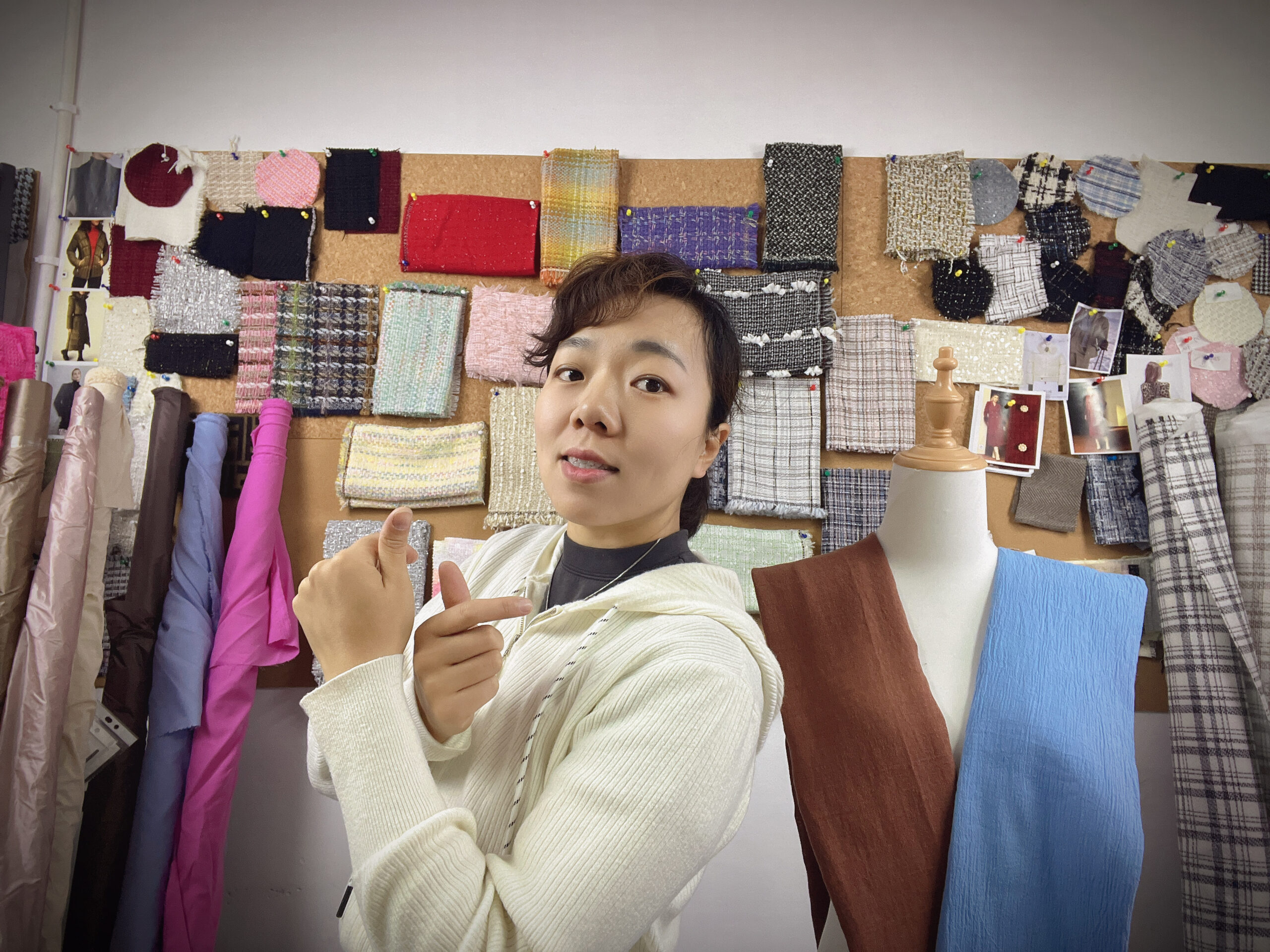
How you structure your first contact filters you into either the ‘serious buyer’ or ‘lookie-loo’ pile. Mills like Fursone that keep 100m in-stock programs and offer 7-day sampling don’t waste time on vague emails. You need to signal that you understand the mechanics: FOB pricing, sample approval workflows, and quality tolerance thresholds. When you do this, you shift from negotiation to collaboration.
Below is a template calibrated for mills that serve emerging designers but still require technical clarity. Adapt it, then send it.
- Subject Line: [Brand Name] – eco knit inquiry: 100m Stock Service, Target FOB $X.
- Opening Context: We’re launching an SS26 capsule collection and need a GRS-certifiable knit base. We reviewed your stock program and the eco-sustainable knit range. We require a 100m initial order to test market response, with a clear path to a 1000m follow-up if performance metrics hit.
- Technical Anchor: Our pattern requires 320–380g/m², a milled finish with no pilling at a Martindale rating above 30,000 rubs. Please send your available stock options within this spec, along with a formal quality tolerance document and your standard 7-day sampling procedure.
- Commercial Terms:Quote FOB Wenzhou. A 30% deposit against proforma is required, with
- Flat ‘No’ on Sample Approval: If they won’t send a physical 30cm x 30cm swatch from the production lot for your sign-off, they’re hiding batch inconsistency. Legitimate mills build sample approval into the workflow; a refusal means they expect you to absorb the risk of a significant investment mismatch.
- Vague Quality Tolerance Language: Watch for phrases like ‘industry standard’ without numeric ranges. A real mill specifies weight tolerance (±5%), colorfastness grade (4.0 min), and shrinkage (max 3%). If they dodge specifics, your bulk fabric won’t match the hand feel you approved.
- No FOB Pricing Breakdown: If the quote is a flat unit price without breaking down raw material, labor, and logistics, you’re likely talking to a trading company marking up a notable percentage without adding value. Factory-direct mills have no problem splitting out FOB costs because that’s how they bill.
- Minimum Over-Ride Waiver on First Contact: A mill that immediately waives a 300m custom MOQ to 50m without asking about your long-term program is likely desperate for cash flow or using leftover yarn inventory they won’t replicate. Solid mills negotiate phased commitments, not blind discounts.
The last question is the litmus test. Many mills list 300m MOQs but don’t advertise that they keep 100m in-stock programs for the same GRS-certifiable qualities. Asking about deadstock or overrun unlocks small-batch access to eco knits without the custom development cost. If the mill can’t answer that clearly, proceed with caution.
Now, the traps. Not every mill that replies ‘yes’ actually accommodates small orders. Watch for these red flags that the mill isn’t truly flexible.
Here’s the cost of sending a generic ‘Hi, what’s your price for knit fabric?’ email. You get a generic price list. You waste three weeks on back-and-forth clarifications. You place a trial order without a sealed sample or a written quality tolerance. When the shipment shows up wrong, you eat the significant loss because you have no contractual backing. You spend months re-sourcing while your production window closes. The alternative—sending the template above—takes 15 minutes of extra research and signals that you know how FOB pricing works. That preparation separates a failed collection from a successful production run.

Conclusion
Don’t let your next collection hinge on a handshake. Before you lock in an FOB pricing sheet, request 100m of in-stock GRS fabric and confirm the weight tolerance in writing. That single step keeps you out of the warehouse of errors—and puts your first production run in stores on time. Frequently Asked Questions What is the MOQ for custom GRS-certifiable knit fabrics? Custom programs start at 300 metres per colour, and you can also begin with ready stock from a single roll. Use that trial to validate quality and fit before scaling up. Always request a pre-production sample before committing to the larger run.