
The Responsible Wool Standard, known as RWS, is a voluntary certification developed by Textile Exchange that verifies wool comes from farms practicing progressive land management and humane animal husbandry. For tweed buyers sourcing from Chinese mills, Responsible Wool Standard RWS certification answers a question that European regulators and brand compliance teams increasingly ask: can you prove where your wool comes from and how the sheep were treated? Without that proof, tweed fabric may face barriers in sustainability-focused markets, particularly in the EU and UK.
Fursone produces tweed and boucle fabric on 300+ looms in Wenzhou, holding ISO certification alongside GRS and OEKO-TEX credentials. While not every wool yarn entering the facility carries RWS certification, the mill’s quality infrastructure, chain-of-custody documentation, and ISO-certified testing protocols provide the traceability backbone that RWS-compliant sourcing requires. Understanding what RWS covers, what it does not, and how it interacts with other textile certifications helps buyers make informed sourcing decisions for sustainability-focused collections.

What the Responsible Wool Standard Covers
Animal Welfare Requirements
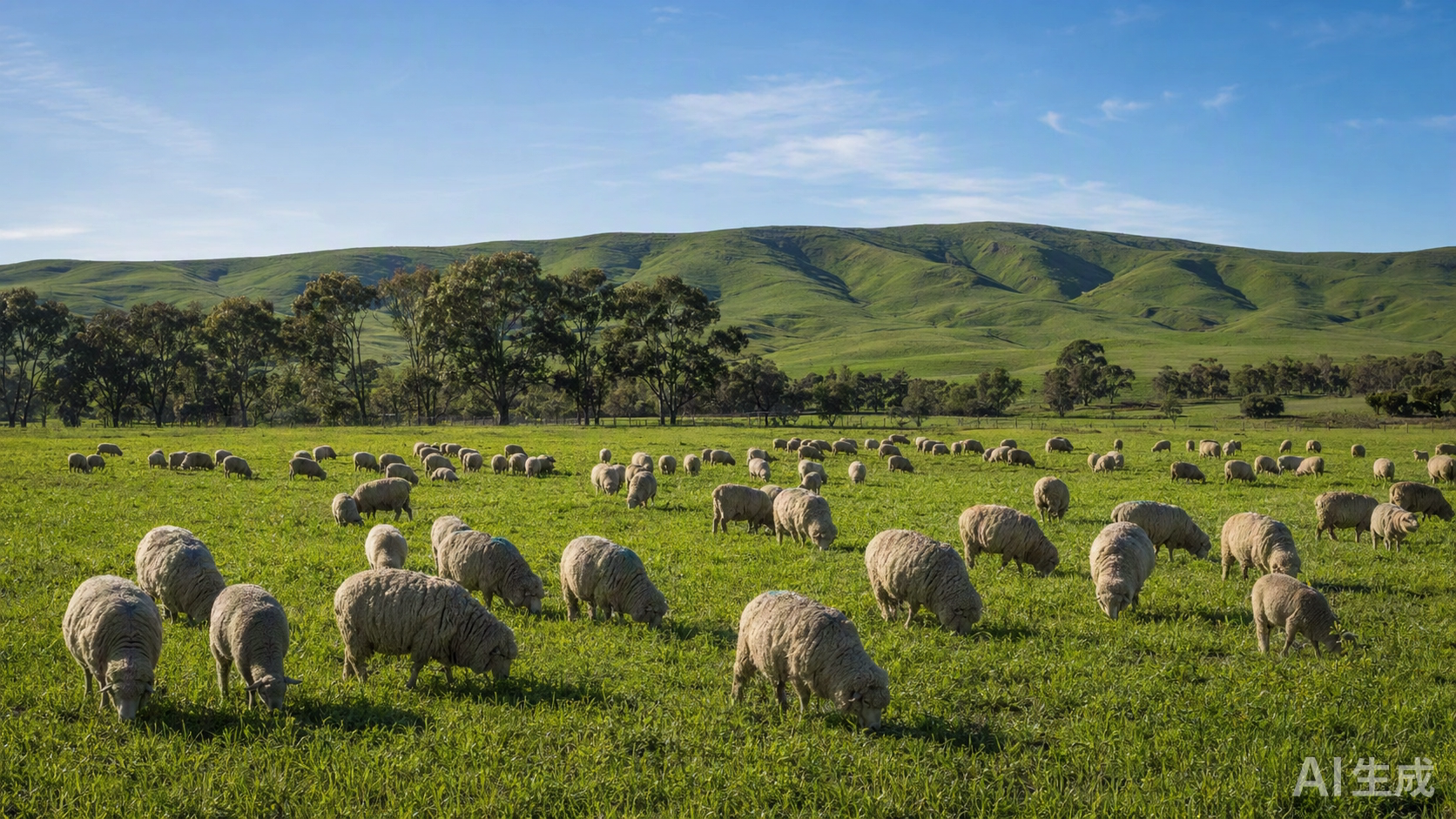
RWS animal welfare standards are based on the Five Freedoms, a framework recognized by the World Organisation for Animal Health. Certified farms must provide adequate feed, water, and shelter; prevent disease through proactive health management; and prohibit painful procedures including mulesing, tail docking without pain relief, and castration without anesthesia. Farms are audited annually by accredited third-party certification bodies to verify compliance.
For tweed production, the animal welfare component matters because wool sourced from uncertified farms may carry welfare risks that brands cannot defend in their supply chain transparency reports. RWS-certified wool provides documented proof that the sheep producing the raw material were managed to a recognized welfare standard.
Land Management Standards
RWS land management requirements address soil health, biodiversity, and responsible grazing. Certified farms must demonstrate that their grazing practices do not cause land degradation, that they maintain or improve soil organic matter, and that they protect native vegetation and wildlife habitats. This component responds to growing concern about the environmental impact of wool farming, particularly in regions where overgrazing has contributed to desertification.
Social Welfare Provisions
The social welfare component requires farms and processors to meet international labor standards, including fair wages, safe working conditions, and freedom from forced or child labor. Workers must have access to grievance mechanisms, and farms must comply with the International Labour Organization’s core conventions. This component extends beyond the farm to include all processing stages in the certified supply chain.
Fursone produces sustainable tweed with ISO, GRS, and OEKO-TEX certifications. Specify your sustainability requirements, including RWS-compliant wool sourcing. 100m stock rolls and 300m custom MOQ available.
Chain of Custody Requirements
RWS operates on a chain-of-custody model, meaning every entity that physically handles the certified wool, from the farm through to the final product manufacturer, must hold RWS certification. A break at any point in the chain invalidates the certification claim. For tweed buyers, this means verifying that the spinning mill, weaving mill, and any dyeing or finishing facility in the supply chain all hold valid RWS scope certificates.
The certification uses a Content Claim Standard (CCS) framework, which tracks the volume of certified material entering and leaving each facility. A mill claiming to produce RWS-certified tweed must demonstrate through transaction records that the volume of certified wool yarn purchased matches or exceeds the volume of certified fabric sold. This mass-balance approach prevents over-claiming and ensures that certified product volume does not exceed certified input volume.
Buyers should request a Transaction Certificate (TC) for each shipment of RWS-certified fabric. The TC is issued by the certification body and links the specific shipment to the certified supply chain. Without a TC, the RWS claim cannot be verified downstream, and the fabric cannot carry the RWS label on the finished garment.
What RWS Does Not Cover
RWS addresses farm-level and chain-of-custody requirements but does not regulate chemical what OEKO-TEX Standard 100 covers and what it does not management during processing. A tweed fabric made from RWS-certified wool can still contain chemical residues from dyes, finishes, or sizing agents used during weaving and finishing. This gap is why RWS typically pairs with OEKO-TEX Standard 100, which tests the finished fabric for harmful chemical substances.
For buyers who need both sustainability and chemical safety claims, combining RWS with certifications like GOTS or GRS provides broader coverage. GOTS covers organic fiber production and chemical inputs; GRS covers recycled content verification; OEKO-TEX covers the finished product’s chemical safety. RWS fills the farm-level gap that these other standards do not address. No single certification covers the full sustainability spectrum.
| Certification | Primary Focus | Stage Covered |
|---|---|---|
| RWS | Animal welfare, land, social | Farm to factory |
| GOTS | Organic fiber, chemicals | Processing and finishing |
| GRS | Recycled content | Material origin and chain |
| OEKO-TEX 100 | Chemical safety | Finished product testing |
How to Verify RWS Certification
Buyers sourcing RWS-certified tweed should follow a three-step verification process. First, request the supplier’s RWS scope certificate, which lists the certified products and processing stages. Check that the certificate is current and issued by an accredited body such as Control Union, IDFL, or ECOCERT. Second, request a Transaction Certificate for each shipment, which links the specific batch to the certified supply chain. Third, verify the certification body on Textile Exchange’s official RWS page to confirm the body is accredited for RWS audits.

A supplier claiming RWS compliance without providing a scope certificate or TC should be treated with caution. Verbal claims of sustainability are not verifiable, and brands that market RWS-certified products without documentation risk greenwashing accusations and regulatory penalties in markets with strict environmental marketing rules.
RWS for Tweed Production: Practical Considerations
Integrating RWS-certified wool into tweed production requires coordination between the farm, spinning mill, and weaving facility. The spinning mill must process RWS-certified wool into yarn, maintaining the chain of custody through batch separation and documentation. The weaving facility, such as Fursone’s Chanel-style tweed production line, must hold its own RWS scope certificate if it claims to produce certified fabric.

The practical impact on tweed production is minimal in terms of weaving performance. RWS-certified wool performs identically to non-certified wool of the same grade and micron count. The certification addresses how the wool was produced, not how it behaves on the loom. The production parameters, tension settings, and quality standards remain the same. What changes is the documentation: certified yarn arrives with batch numbers linked to certified farms, and the weaving facility must maintain those records through to fabric shipment.
For Fursone’s production system, the ISO-certified quality management framework already provides the batch tracking and documentation infrastructure that RWS requires. The 7-day sampling process and ISO grade 3-4 pilling test reports that accompany each shipment serve as quality verification layers that complement the RWS chain of custody. Buyers requesting RWS-compliant tweed should specify this in their initial RFQ so the production team can source certified yarn and allocate it to the correct production batch.
Frequently Asked Questions
What is the Responsible Wool Standard (RWS)?
RWS is a voluntary certification owned by Textile Exchange that verifies wool comes from farms with progressive land management and humane animal welfare practices. It requires chain-of-custody certification at every stage from farm to finished product.
Does RWS cover chemical safety in textiles?
No, RWS does not regulate chemical management during processing. It addresses farm-level welfare and chain of custody. For chemical safety, pair RWS with OEKO-TEX Standard 100, which tests finished fabric for harmful substances.
Is mulesing-free wool required for RWS certification?
Yes, RWS prohibits mulesing. Certified farms cannot practice mulesing on any sheep. This is a core animal welfare requirement of the standard.
How do I verify RWS certification from a supplier?
Request the supplier’s RWS scope certificate and a Transaction Certificate for each shipment. Verify the certification body is accredited on Textile Exchange’s website. Without both documents, the RWS claim cannot be verified.
Can RWS-certified wool be used for tweed production?
Yes, RWS-certified wool performs identically to non-certified wool of the same grade. The certification addresses how the wool was produced, not how it behaves on the loom. The weaving facility must hold its own RWS scope certificate to produce certified fabric.
Conclusion
RWS fills a specific gap in textile sustainability certification by addressing farm-level animal welfare and land management that other standards do not cover. For tweed buyers, the value of RWS is not in the fabric’s performance but in the documentation that supports sustainability claims downstream. Without RWS, brands cannot make verifiable claims about the welfare of sheep producing their wool.
When sourcing RWS-compliant tweed, request scope certificates and transaction certificates at the RFQ stage. Pair RWS with OEKO-TEX for chemical safety coverage. Specify certified wool in your initial inquiry so the mill can source and allocate certified yarn. Do not accept verbal sustainability claims without documentation. The risk of greenwashing accusations and regulatory penalties in EU and UK markets far outweighs the cost of certification verification.

Related Insights

Fiber Content Labels for Tweed and Knit: Reading Composition Percentages Right
A composition label is a legal document, a marketing claim and a care instruction all...
Fabric Waste in Cutting: How Much Your Collection Throws Away
Every collection throws away fabric twice: once in the cutting room, where markers never fit...

Lyocell Knit Blends: Sourcing, Blend Ratios and Verification for Buyers
Lyocell has moved from a niche fiber to a standard line item on knit buyers’...