textile import customs documents is the first checkpoint buyers should lock before they approve a supplier, budget, or production slot. Why does your factory always want to ship under a different HS code than what you approved on the pre-production sample? That question usually comes up after a buyer gets burned — say, a large order of tweed that clears customs only to find the fabric weight and handfeel don’t match the sample they signed off. The standard answer is “it’s just customs paperwork,” but that’s rarely the whole story. In my years auditing mills across a dozen countries, I’ve seen that mismatch between approved sample specs and declared customs data is often the first red flag of a supplier cutting corners on the production run.
The truth is, the documents you submit for textile import customs clearance — the commercial invoice, packing list, bill of lading, and certificates of origin — aren’t just administrative overhead. They’re the lever that either protects your quality tolerance or exposes it. Customs authorities in the US and EU, for instance, frequently flag shipments of fancy tweeds and bouclés when the invoice says only “textile” instead of specifying woven construction and exact fiber blend percentages. That single oversight can trigger a manual review that adds several business days to your lead time. And if your FOB pricing was calculated assuming a two-week transit, those delays eat straight into margin. This guide walks through the essential documents — and the specific fields within each one — that separate a smooth clearance from a costly hold.
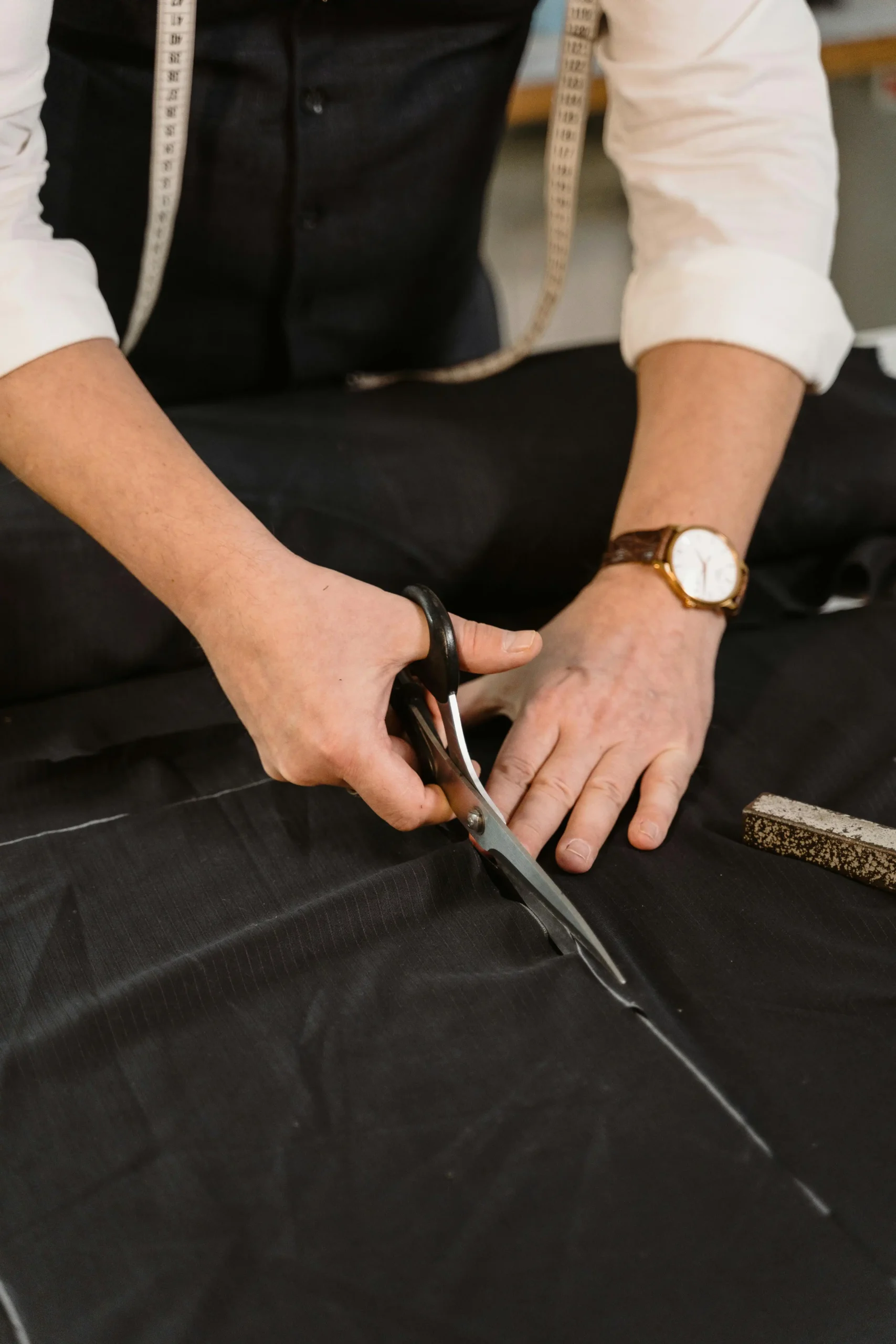
Mandatory Documents for Textile Customs Clearance
A single HS code digit mismatch can cost days in customs.
The commercial invoice is almost always the reason a shipment gets flagged. Most sourcing managers list ‘textile’ as a generic description, but US and EU customs specifically target tweed and bouclé shipments when the construction (woven vs. knitted) and exact fiber blend percentages are missing. Without those details, expect a physical inspection that adds a week to your lead time.
- Fiber breakdown: Must list each component by percentage (e.g., 45% wool, 35% acrylic, 20% polyester). Vague terms like ‘wool blend’ trigger review.
- HS code: Use the 6-digit international code plus country-specific digits. For bouclé, that may be a wool heading such as 5111, a woven-pile heading such as 5801, or a knit heading such as 6006, depending on construction and fiber (confirm against the live tariff schedule). One digit off triggers a manual hold.
- Unit value: If the declared per-meter price is well below the market average for Chanel-style tweed, customs will flag it as potential dumping or misclassification.
- Certificate of Origin (COO): For preferential duty rates (e.g., U.S. GSP or EU GSP), the COO must be issued by an authorized chamber in China. Missing or expired stamps = full duty rate.
- Bill of Lading vs Packing List: Both must match on total weight, carton count, and shipper/consignee. Even a one-digit variance in the HS code between the two documents triggers a manual review.
The packing list, bill of lading, and certificate of origin must mirror the commercial invoice exactly. A common mistake: the bill of lading shows ’10 cartons’ while the packing list says ’12 cartons’ because a sample roll was added last-minute. That discrepancy alone can halt clearance. For sustainable shipments, uploading the GRS scope certificate and transaction certificate alongside the packing list at origin can help speed clearance — customs brokers don’t have to chase you for proof of recycled content.
Compliance & Certification Documents
Uploading GRS certificates at origin can help speed customs clearance.
Certifications like GRS and OEKO-TEX are often treated as marketing credentials, but for a sourcing manager, they are operational documents. When a shipment of bouclé or tweed arrives at a US or EU port and the commercial invoice claims ‘sustainable eco knit fabric GRS certified’, customs brokers will request the corresponding scope and transaction certificates. If those aren’t filed at origin, the container sits while the broker emails back and forth—adding days to your lead time.
Most mills will issue a GRS scope certificate covering their facility, but the transaction certificate links a specific roll of fabric to a certified batch. Uploading both alongside the packing list before the vessel sails lets your broker pre-clear the sustainability claim. We’ve seen clearance go noticeably faster when this step is done correctly.
- GRS certificates: Require scope certificate (mill-level) + transaction certificate (lot-level). Without the transaction cert, customs may flag the eco claim, delaying release.
- OEKO-TEX Standard 100: Product-specific certificate for each fabric type. A tweed with metallic thread may need a separate certification if the metal content alters the chemical testing profile.
- Fiber composition report: Customs in the US and EU frequently inspect tweed shipments if the commercial invoice lists only ‘textile’ without specifying woven/knitted construction and exact fiber blend percentages. A report from an accredited lab showing, for example, 45% wool, 40% polyester, 15% nylon, avoids manual review.
The fiber composition report is not a nice-to-have. It’s a mandatory document for HS code classification. A bouclé fabric with 80% wool falls under a different tariff line than one with 80% acrylic. If the declared composition doesn’t match the lab test, expect a customs hold and possible duty reclassification.
For luxury lines using premium yarns—Australian Merino wool, Japanese lurex, GRS-certified recycled polyester—we pre-fill every commercial invoice with exact fiber percentages and the corresponding HS code for the bouclé (a woven-pile construction may fall under heading 5801, wool-dominant bouclé under 5111/5112, and knitted bouclé under Chapter 60 — the exact subheading depends on the blend and is confirmed against the live tariff schedule). This isn’t standard practice industry-wide, but it eliminates the most common red flag: a vague line item that says ‘textile’ instead of ‘woven bouclé tweed, 55% wool, 45% recycled polyester’.
Product-specific certificates also matter. If your fabric contains metallic thread, some authorities require a separate flammability or heavy-metal content report. For wool blends, a woolmark certification can smooth clearance. The key is to have these at hand before the container ships, not after it’s flagged.
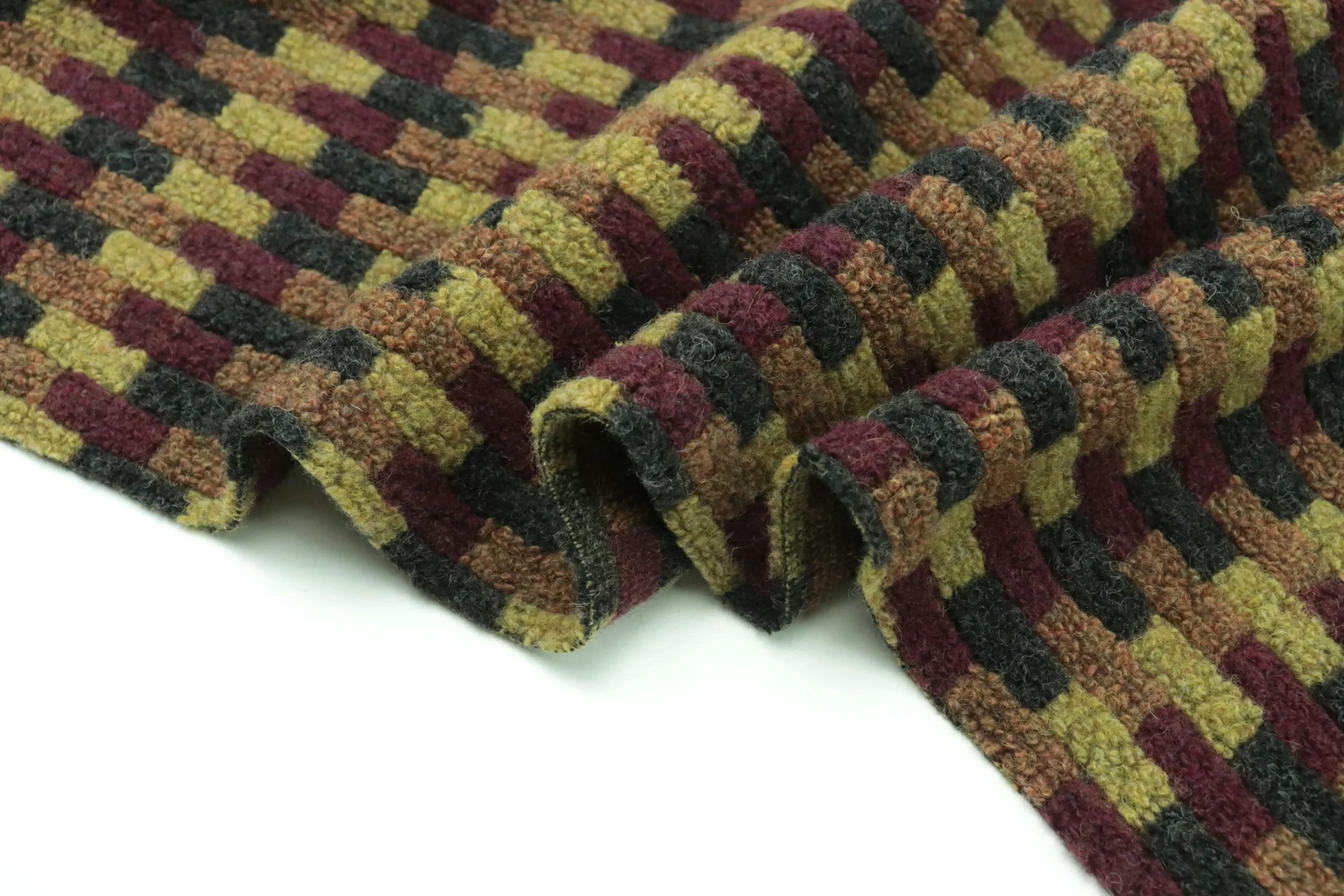
Avoiding Documentation Errors
One digit mismatch can mean days of manual customs review.
The single most common clearance delay seen when importing knit and tweed fabrics from China isn’t missing paperwork — it’s inconsistent data across documents. A buyer ships a large order of heavyweight bouclé. The commercial invoice says one HS code (a woven synthetic blend) while the bill of lading lists another (a knitted synthetic). Customs flags the discrepancy. The container gets pulled for a full document review, and the port adds several business days before release. That’s a missed production window — and often a lost season.
The US and EU customs algorithms scan for exactly these mismatches. If the commercial invoice lists only “textile” without specifying woven/knitted construction and exact fiber blend percentages, the system tags it for inspection. For tweed fabrics, a vague description like “wool blend” without the actual percentage breakdown invites further scrutiny. I’ve seen shipments held because the certificate of origin used a different fabric weight than the packing list. Every document in the set must tell the same story — same HS code, same fiber composition, same construction method.
- HS code mismatch: A single-digit difference between the invoice and bill of lading triggers a manual review, adding days of delay — a common pitfall for emerging brands.
- Missing construction detail: Customs authorities frequently inspect tweed shipments if the invoice omits woven/knitted construction and exact fiber blend percentages.
- Inconsistent certificate of origin: Using a generic CO when the fabric contains GRS-certified recycled content can cause brokers to stall clearance while verifying eco-claims.
Fursone tackles this at the source. Every fabric type — from Chanel-style tweeds to structured cable knits — comes with a pre-filled commercial invoice template that includes the correct HS code, fiber breakdown, and construction classification. For sustainable lines with GRS certification, we bundle the scope and transaction certificates alongside the packing list before shipping. That single step can speed clearance because brokers don’t have to chase back-and-forth for eco-claims. The system treats the pre-vetted package as a single trusted document set, reducing the risk of manual review.
If your supplier shrugs when you ask for a document consistency check, that’s a red flag. Standardizing paperwork at origin is cheap insurance against a container sitting at port for a week. For sourcing managers evaluating a new mill, ask for a sample document package before the first order. The ones who provide pre-filled templates and cross-referenced HS codes are the ones who understand logistics isn’t secondary — it’s the difference between a smooth delivery and a costly delay.
Conclusion
Does your supplier’s commercial invoice list woven or knitted construction with exact fiber percentages? Does the HS code on that invoice match the bill of lading down to the last digit? Can they provide a pre-vetted document package including GRS certificates at origin to cut clearance time?
Run these three checks against your next shipment. If any answer is no, review a supplier’s documentation readiness on the Customs Clearance Documents page before booking FOB pricing and sample approval. You can also contact us for a pre-vetted document package, or browse our Chanel-style tweed range.
Frequently Asked Questions
What documents are required for textile customs clearance?
The core set is the commercial invoice, packing list, bill of lading, and certificate of origin. For tweeds and knits, also include a fiber composition report (exact percentages and woven/knitted construction) and any applicable sustainability certificates such as GRS or OEKO-TEX. Prepare all documents before shipping, not after.
Why do HS code mismatches cause delays?
Customs cross-checks the HS code across your invoice, packing list, and bill of lading. Even a single-digit mismatch can trigger a manual review that adds days to clearance, because officers treat discrepancies as potential misclassification or duty-evasion risk. Confirm the code from fiber composition and construction, and make it identical on every document.
What certificates do luxury fabric imports need?
For high-end tweeds and knits, GRS supports recycled-content claims and OEKO-TEX Standard 100 verifies chemical safety; a fiber composition report from an accredited lab supports HS classification. Filing these certificates at origin helps clearance go faster. Verify which certificates your destination market or buyer requires before production.
How do I avoid customs documentation errors?
Cross-check the HS code, declared value, fiber composition, weights, and certificate numbers across your invoice, packing list, and bill of lading so every document tells the same story. A pre-vetted document package from your mill eliminates most mismatches — ask for one, with cross-referenced HS codes, before the container leaves.

Related Insights
How to Import Knit Fabric from China: Customs & Shipping
import knit fabric china is the first checkpoint buyers should lock before they approve a...

Bulk Fabric Ordering: Negotiate MOQ & Pricing With Mills
{ “@context”: “https://schema.org”, “@type”: “Article”, “id”: “evo301-geo-ai-block”, “definition”: “Bulk fabric ordering MOQ negotiation succeeds when...

Avoid Customs Delays When Importing Tweed
avoid customs delays fabric import is the first checkpoint buyers should lock before they approve...