
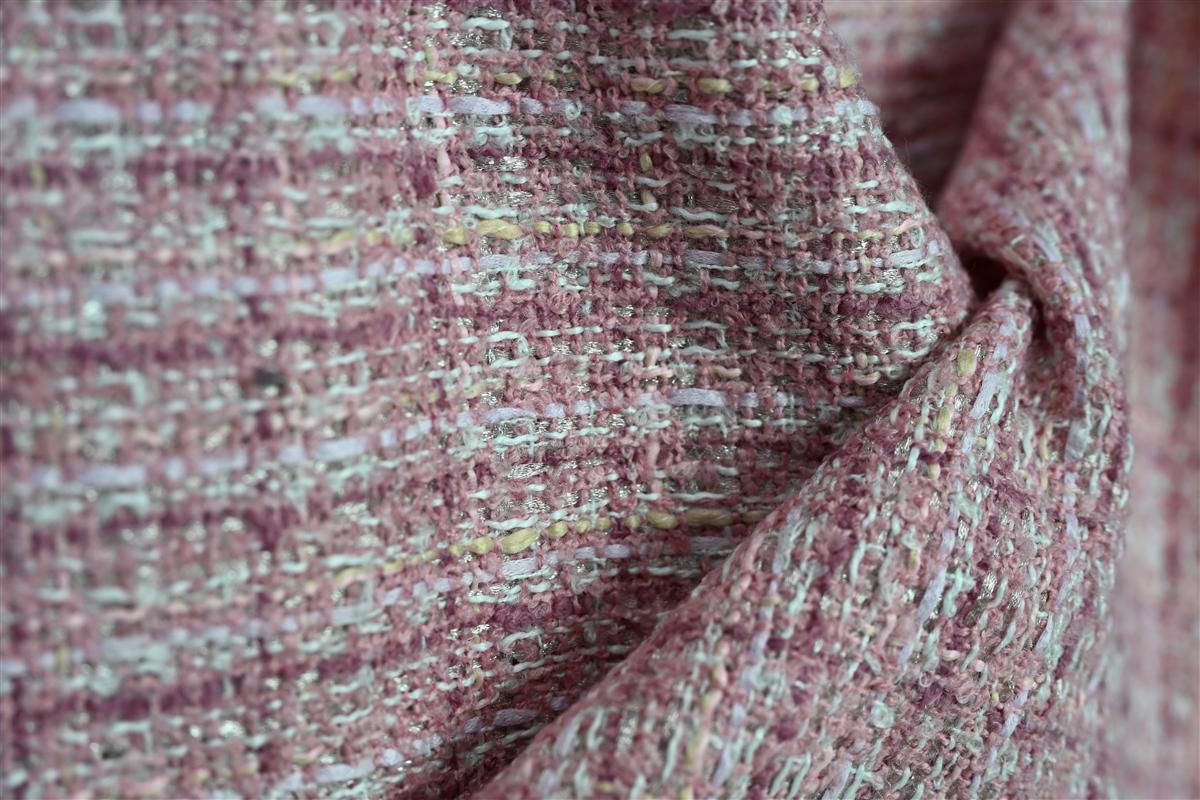
custom fabric lead time is the first checkpoint buyers should lock before they approve a supplier, budget, or production slot. I’ve managed supplier audits across multiple countries. The one that still stings? a substantial tweed order that looked flawless at sample approval. When the containers landed, the texture was off, the yarn twist had softened, and the factory pointed to a “within quality tolerance” clause. That’s the moment you learn that custom fabric lead time isn’t just a calendar—it’s a chain of handoffs where quality can drift without constant oversight.
On paper, the timeline is straightforward: one week for concept and yarn selection, two weeks for lab dips and sample spinning, a rapid seven-day swatch turnaround, then three to four weeks of bulk production and dyeing for a 1000-meter run. That five-to-six-week window can hold—if you’re working with an integrated mill that spins and dyes concurrently. Wait on an external spinner for a new bouclé or fancy yarn blend, and you can easily add 10 to 14 days. Those extra days don’t show up in the initial quote, but they show up in your CMT scheduling.
Skip understanding where those bottlenecks sit, and the cost of inaction lands hard. Your FOB pricing on the fabric might have looked tight, but a two-week delay that forces airfreight and misses your garment factory’s slot erases that margin. Worse, you’re now holding a five-figure sum custom fabric shipment that arrives after the retailer’s cancellation date. You lose not just the fabric cost, but the margin on 800 units that never ship—easily a very large sum in top-line revenue. That’s the real price of treating custom fabric lead time as someone else’s problem.
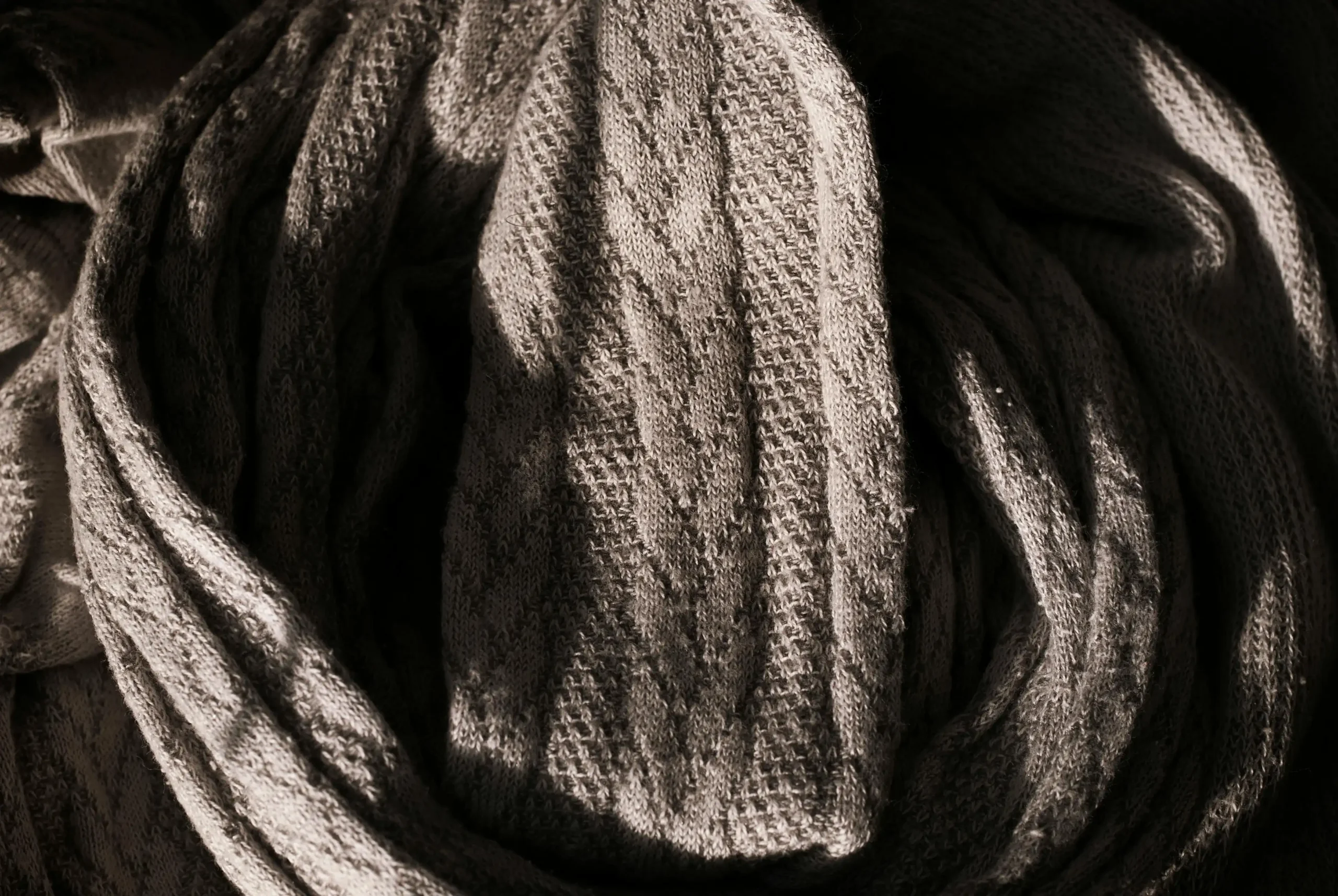
Stage 1: Concept & Yarn Selection (1 week)
Week 1 mistakes compound into 12-week delays.
I’ve watched a substantial order unravel because the pre-production sample felt like cashmere and the bulk shipment felt like carpet underlay. The root cause wasn’t the weaving. It was a sloppy spec sheet finalized in 48 hours during Stage 1. When you’re developing a custom tweed or a structured cable knit for a luxury menswear collection, the first five business days determine whether you hit your CMT deadlines or end up air-freighting garments at a 40% cost penalty.
Spec finalization isn’t a formality. It’s a contract written in textile physics. For a heavyweight bouclé destined for an overcoat, you need to lock in three non-negotiables: finished weight in g/m², the percentage of slub yarn by weight, and the maximum acceptable elongation under 10 lbs of tension. I don’t accept spec sheets that say ‘soft hand feel.’ I require quantified targets. If the target is a 450 g/m² fabric with a 15% wool/poly slub and less than 3% stretch, that’s what gets written into the production file. Anything less specific, and you’ve already opened the door to a quality tolerance dispute before the first yarn is spun.
Pantone targets in a vacuum are dangerous. You’re not coloring paper, you’re coloring Australian Merino wool that absorbs dye differently than the Japanese lurex thread running through the same weave. A single Pantone 19-4024 TCX applied across a blend of merino and metallic will render as two distinct chromatic values. The correct approach is to establish a ‘dye-by-fiber’ reference, not a flat Pantone callout. At our Wenzhou lab, we create a miniature yarn wrap card for every blend, dye each fiber component separately against the target, then visually balance the melange effect under D65 lighting. If your mill can’t provide this level of color proofing within the first week, you’re rolling the dice on the entire production run.
Raw material sourcing decisions made in Week 1 lock in your FOB pricing for the entire order. A common pitfall is specifying a fiber origin that carries a 3-week lead time for import, without realizing your mill can spin an equivalent domestically in 72 hours. The luxury menswear market demands traceability, and that’s non-negotiable. But there’s a commercial difference between GRS-certified recycled polyester sourced from a Taiwanese mill with a 14-day shipping window versus the same certification available from a domestic supplier in 2 days. If you don’t ask the sourcing question during spec finalization, you inadvertently bake a two-week delay into your custom fabric lead time before a single stitch is knitted.
- Weight Tolerance: Set a measurable band, e.g., 440–460 g/m² for a structured jacket fabric. Anything outside this band after finishing is a commercial rejection, not a negotiation point.
- Pantone Dexterity: Demand a multi-fiber color reading for fancy yarn blends. A single number on a cotton swatch guarantees a metameric failure under boutique lighting.
- Sourcing Velocity: Assign a lead time value to every raw component. If organic cotton yarn has a 10-day procurement window, start its ordering process before the spec is fully signed off.

Stage 2: Lab Dips & Sample Yarn Spinning (2 weeks)
External yarn spinners add 10-14 hidden days to this phase—integrated mills eliminate that gap entirely.
Most sourcing managers think lab dips are the bottleneck here. They are not. The real delay is yarn availability. When you submit a custom color target to a mill that outsources spinning, the lab dip itself might take three days. But the spinner needs to source the right fiber, schedule a small batch on equipment already booked for bulk orders, and ship the sample yarn back. That queue alone burns 10 to 14 working days before anyone even looks at a spectrophotometer reading. You are not waiting for dye precision—you are waiting for someone else’s production calendar to clear a slot.
An integrated mill with in-house spinning rewrites this timeline completely. The same team that spins the base yarn runs the lab dyeing. There is no handoff, no courier delay, and no scheduling conflict between two separate factories. When a luxury menswear designer requests a multi-tonal mélange bouclé—say a charcoal base with a rust slub and a subtle gold metallic binder—the spinning technician can spin a 500-gram sample lot in the morning, pass it directly to the dye lab by noon, and have the first lab dip ready for internal review within 48 hours. External spinning turns this same sequence into a three-week ping-pong match.
- Integrated partner-mill spinning: Sample yarn spun on-demand within 24-48 hours. Lab dips begin immediately on the same premises. Total phase: 10-14 days with real-time color adjustments possible mid-cycle.
- External Yarn Supplier: Sample yarn subject to third-party production schedules. 5-7 days for spinning plus 2-3 days for courier delivery. Lab dips start only after yarn arrives. Total phase: 21-28 days with zero flexibility for re-spins if the shade misses the Pantone target.
The other advantage that rarely gets discussed is concurrent small-batch dyeing. With specialist spinning on-site, a mill can spin the full sample lot while simultaneously pulling a small portion for lab dips. By the time the designer approves the color on day 12, the remaining yarn is already spun and ready for swatch production. In an outsourced model, the lab dip approval triggers a second waiting period—the spinner now has to spin the approved yarn, and you are back in the queue. That second wait is what pushes a Chanel-style tweed development from five weeks to eight, and it is entirely avoidable.
One hard lesson from supplier audits across multiple countries: ask explicitly whether the mill owns its spinning line or subcontracts. Do not accept vague answers like “we work closely with our yarn partners.” That phrasing means they have no control over the calendar. For custom bouclé, slub, or chenille yarns—the backbone of any luxury tweed or textured knit—in-house spinning is the single largest lever for compressing lead time in Stage 2. It is not a marginal improvement. It is the difference between hitting your pre-fall sample deadline and watching it pass while a courier tracking number sits frozen in customs.
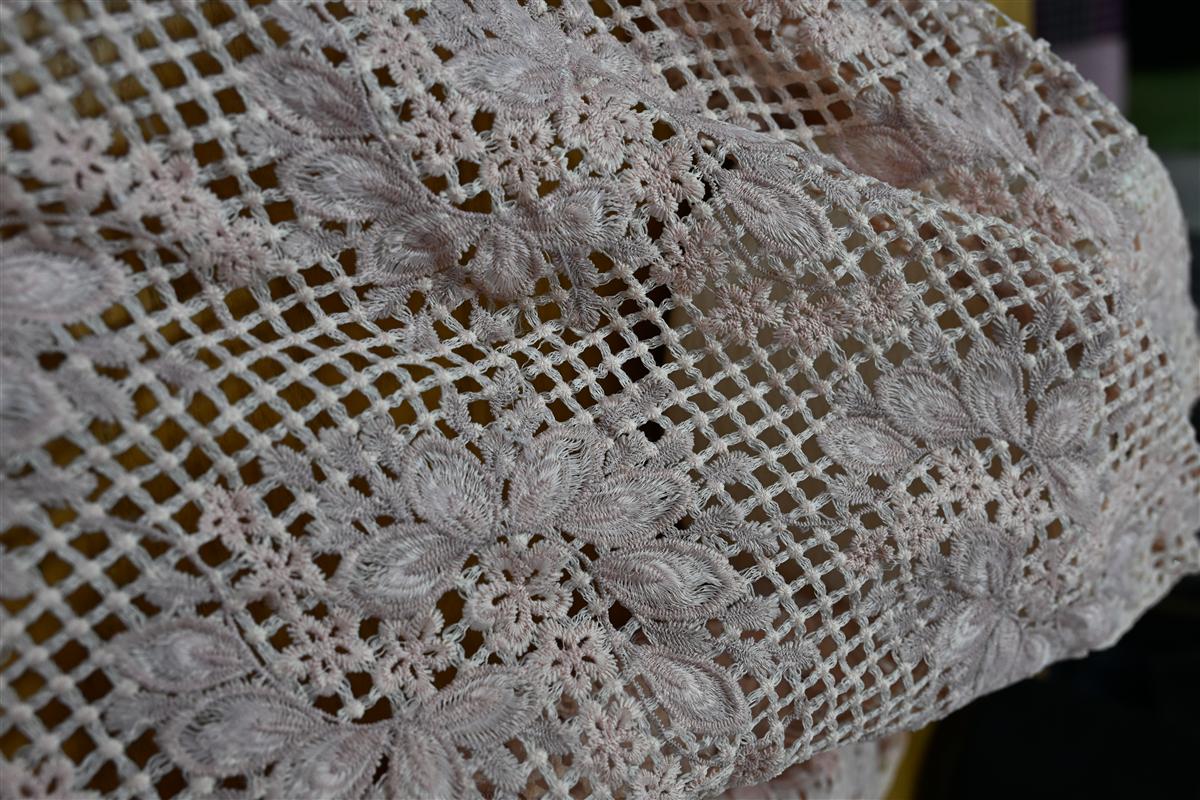
Stage 3: 7‑Day Swatch Sampling
A swatch is a promise.
When the physical swatch lands on your desk, the first instinct is to touch it and nod. Resist that. A luxury menswear fabric lives or dies by weight precision. Pick up a gram scale. Our internal tolerance for tweed is ±3% on the target weight—so if you spec 450 g/m², anything below 436 g/m² changes the drape enough to ruin a structured blazer. I’ve seen a brand skip this check, approve a 420 g/m² swatch out of excitement, and then wonder why production bolts produced jackets that looked limp.
Color validation is the other silent killer. Don’t rely on a window and a Pantone book. Ask the mill for the lab dip’s spectrophotometer reading. A ΔE value above 1.0 on a dark navy means batch-to-batch shade drift is almost guaranteed. If the mill can’t provide that data, treat the swatch as provisional. For our bouclé blends with Japanese lurex, we always include a Metamerism check under D65 and A light sources before we ship a swatch—because metallic yarns shift dramatically under boutique lighting.
- Hand feel protocol: Pair the swatch against a master reference sample from your previous approved collection. Use a blind test with two other team members. If one person flags a difference, the mill adjusts the finishing. We record compression recovery for structured cable knits—less than 85% recovery after 30 seconds means the garment will bag at the elbows.
- Structural inspection: Use a pick glass. Count the courses per inch and verify yarn composition. A fancy yarn blend with slubs should match the agreed construction card. If the slub frequency is off by 15%, the entire visual signature degrades. We reject swatches where a single missing ply is visible under 8x magnification.
The 7-day timeline works because in-house spinning and small-batch dyeing run concurrently. But here’s the insider asterisk: the swatch must be spun from the same lot of raw stock that will run in bulk. A common trick among external spinners is to make the swatch with pristine lab yarns, then dump inferior batch wool into mass production. After you approve hand feel, pin down the raw material lot number and get the mill to confirm it in writing. If they hesitate, walk away.
Finally, sign off the sample approval form with explicit quality tolerances. Ours reads: weight variation ±4%, color ΔE ≤1.2, hand feel consistent with approved swatch C-218. Without that document, any bulk discrepancy becomes your word against theirs—and the container has already left the port.
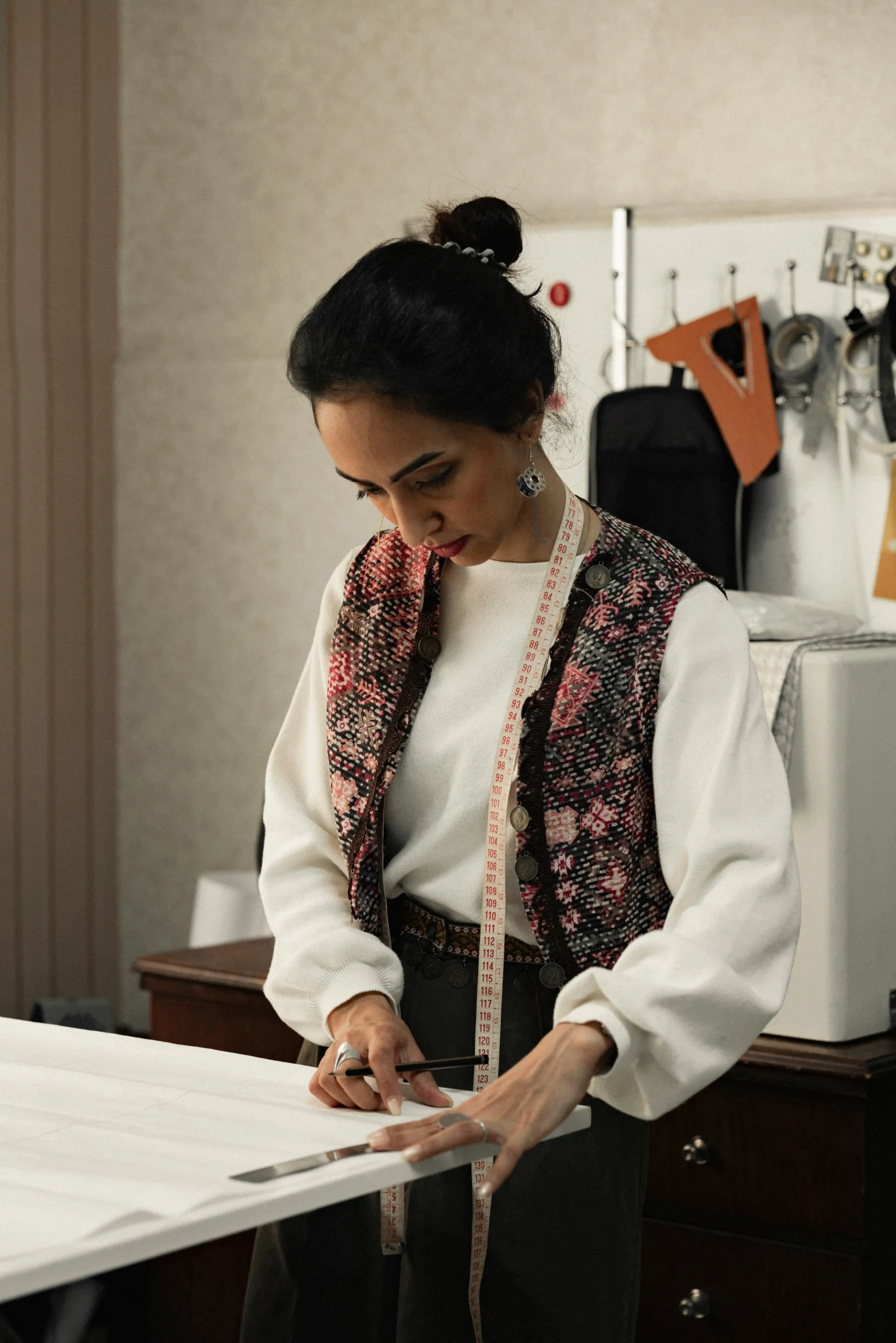
Stage 4: Bulk Fabric Production & Dyeing (for 1000m: 3‑4 weeks)
This is where your swatch becomes real yardage—and where poorly managed mills lose weeks.
Bulk production begins the moment lab dips and sample swatches receive sign-off. For a 300-metre custom tweed or knit program, four sequential steps carry the work from yarn cones to finished rolls: yarn dyeing, warping, weaving/knitting, and finishing. In a typical external supply chain, waiting on third-party spinners adds 10–14 days before dye kettles even warm up. Because our partner mills in Wenzhou spin proprietary yarns in-house, the bulk dye vats receive fully conditioned yarn on day one—no courier lag, no supplier queue.
- Yarn Dyeing (5–7 days): Fancy yarn blends and multi-tonal melanges demand precise dye bath control. Our lab matches each Pantone reference to a pre-approved lab dip, then reproduces it across the full 1000-meter batch. For Chanel-style tweeds, yarn-dyed slub and bouclé filaments ensure the three-dimensional color effect holds from first meter to last.
- Warping & Weaving/Knitting (7–10 days): Dyed yarn moves to warping beams, then onto specialized looms or knitting machines depending on the article—heavyweight bouclé requires a different beat-up speed than structured cable knits. Production speed is deliberately paced: rushing this phase compromises stitch uniformity and the 350–500 g/m² target weight luxury menswear designers demand.
- Finishing (5–7 days): Post-loom treatments define the final hand feel. Tweed passes through brushing, steaming, and relaxation to stabilize width and eliminate residual shrinkage. Knits receive anti-pilling enzymes and softeners calibrated to the fiber blend. Every roll is tension-controlled during batching to prevent drape distortion that would ruin garment cutting later.
Three to four weeks isn’t a guess—it’s the outcome of eliminating external yarn dependencies and running dyeing and weaving on a single, synchronized schedule. If you’re comparing mills, ask how many days they lose simply waiting for someone else’s yarn truck to show up. That gap alone explains most blown launch calendars.
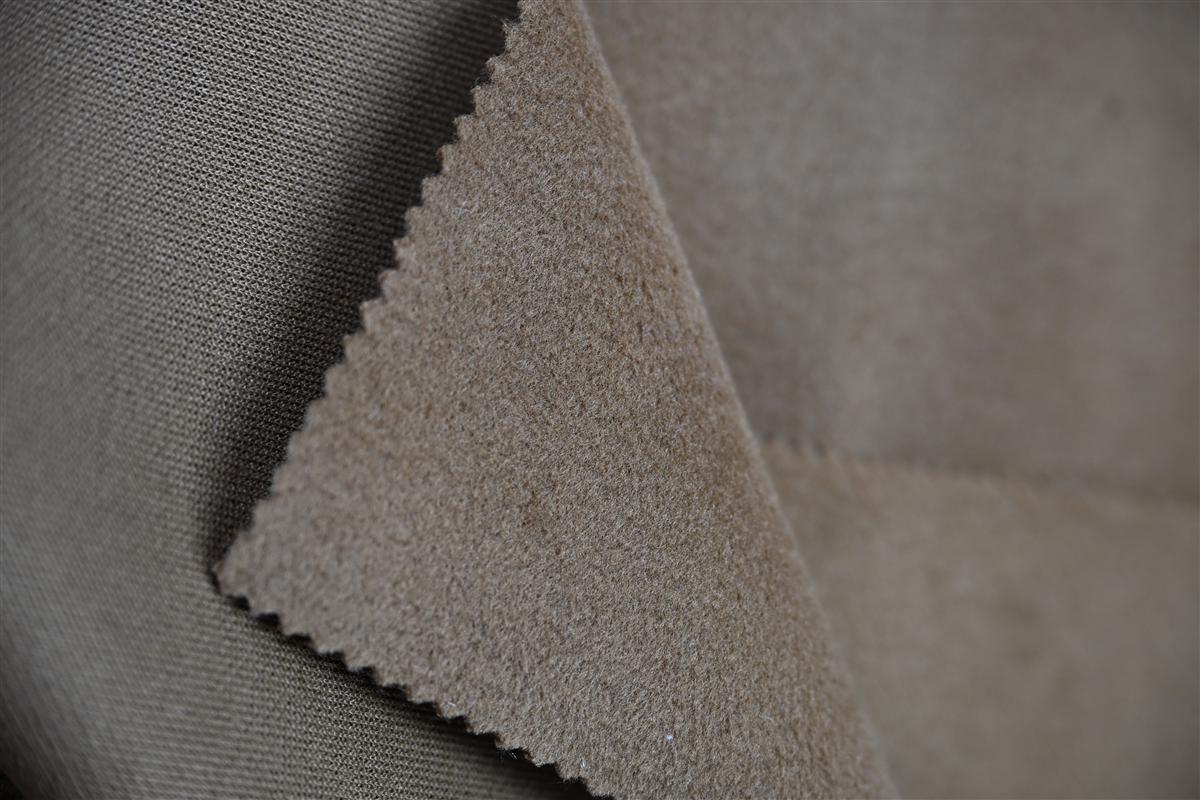
Stage 5: Quality Control & Shipping Prep
If you don’t lock AQL 2.5 with a weight tolerance of ±5%, you’re gambling with every meter.
I’ve audited mills where the inspection report was clean but the fabric on the cutting table had a hand feel that was 20% stiffer than the approved swatch. That’s what happens when QC becomes a paperwork exercise. For a luxury menswear collection—where a 400 g/m² bouclé is non-negotiable—the inspection needs to start before the first bolt is rolled. AQL (Acceptable Quality Level) inspection is the minimum, but I push for a pre-shipment inspection protocol that mirrors the actual garment use.
- AQL Level: Default AQL 2.5 for major defects is industry boilerplate. For tweeds and textured knits I tighten it to AQL 1.5 on surface defects (slubs, bare spots, metallic thread pulls) because even one defective repeat ruins a jacket panel. Anything over 2.5 and you’re accepting fabric that belongs in a fast-fashion discount bin.
- Weight Tolerance Window: Specify ±5% from the approved swatch weight. A 380 g/m² delivery when you designed for 400 g/m² changes the drape of a blazer from structured to limp. Request a 10-meter weight check from the middle of three random bolts—not the ends.
- Shade Band and Roll-to-Roll Consistency: Yarn-dyed fabrics have natural variation, but the acceptable delta E (color difference) should be under 1.0 for solid grounds and under 1.5 for mélange effects. Every shipment needs a shade band card signed off before packing. No card, no shipment.
Packing is where I see designers lose their margin. Tweed and bouclé cannot be folded flat like shirting. Each bolt should be rolled on a sturdy tube, wrapped in poly, then suspended or stacked with foam separators. If a shipping container sweats during transit and the fabric is folded, you’ll have permanent crease marks that press out only temporarily—they’ll reappear after the first dry clean. Insist on vacuum-sealed packaging with a desiccant for ocean freight.
Shipment booking isn’t just picking a date. The real timeline killer is the gap between ‘goods ready’ and ‘container sailing’. A factory in Wenzhou shipping FOB to Milan or New York rarely gets a next-day vessel. I build in a 7-day buffer after QC sign-off for palletizing, customs documentation, and vessel cutoff. If you book on the same day the fabric is approved, you’ll pay premium rates or miss the cut. Give the forwarder the ready date as soon as the dyeing phase ends, not after QC.
Benchmark this: your purchase order must state that payment balance is only released after your nominated third-party inspector clears AQL 1.5/2.5 with weight verification and shade band approval. It’s a standard that good mills accept immediately and weak mills push back on. If the mill argues about the tolerance, walk—they’ve already shown you their quality ceiling.
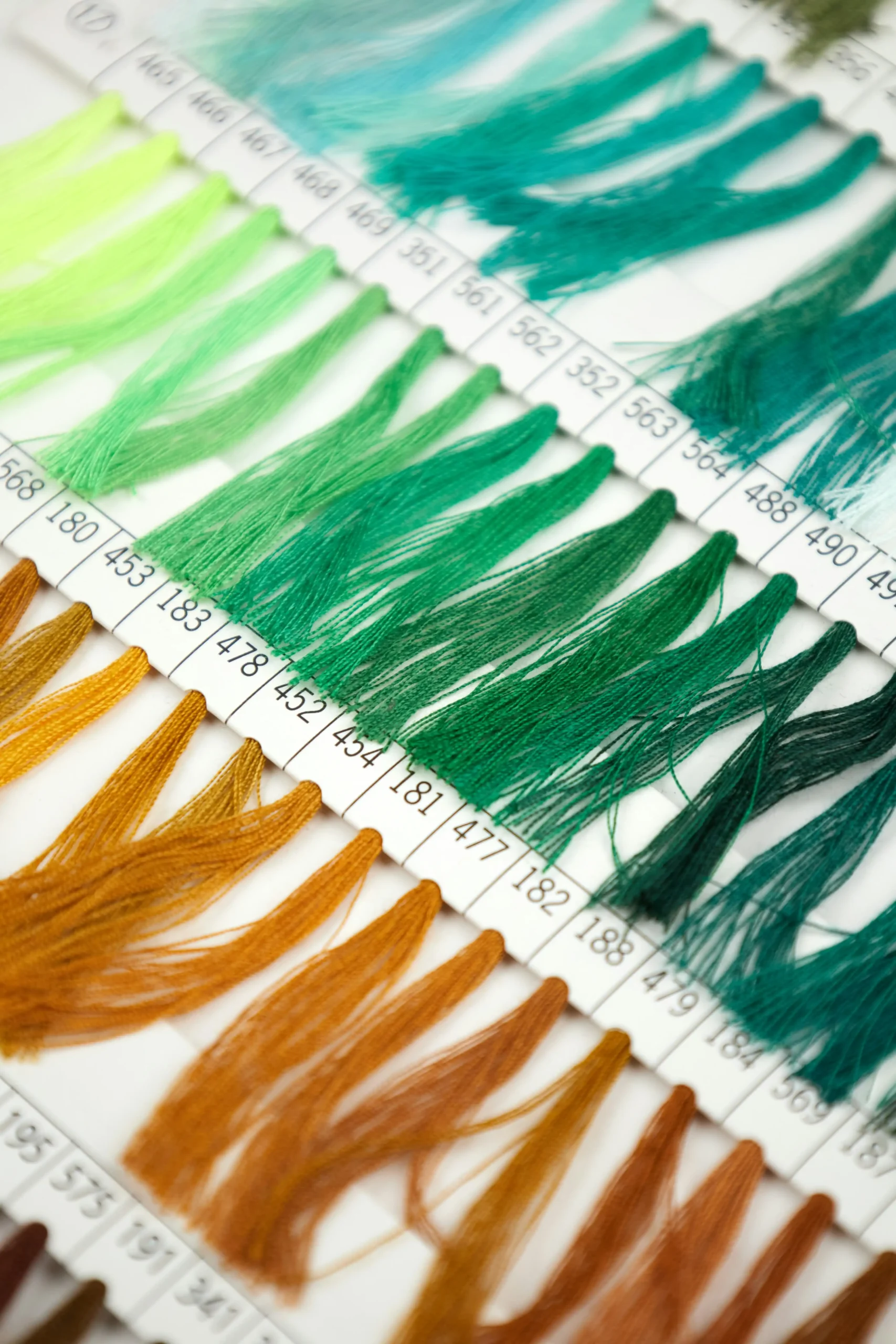
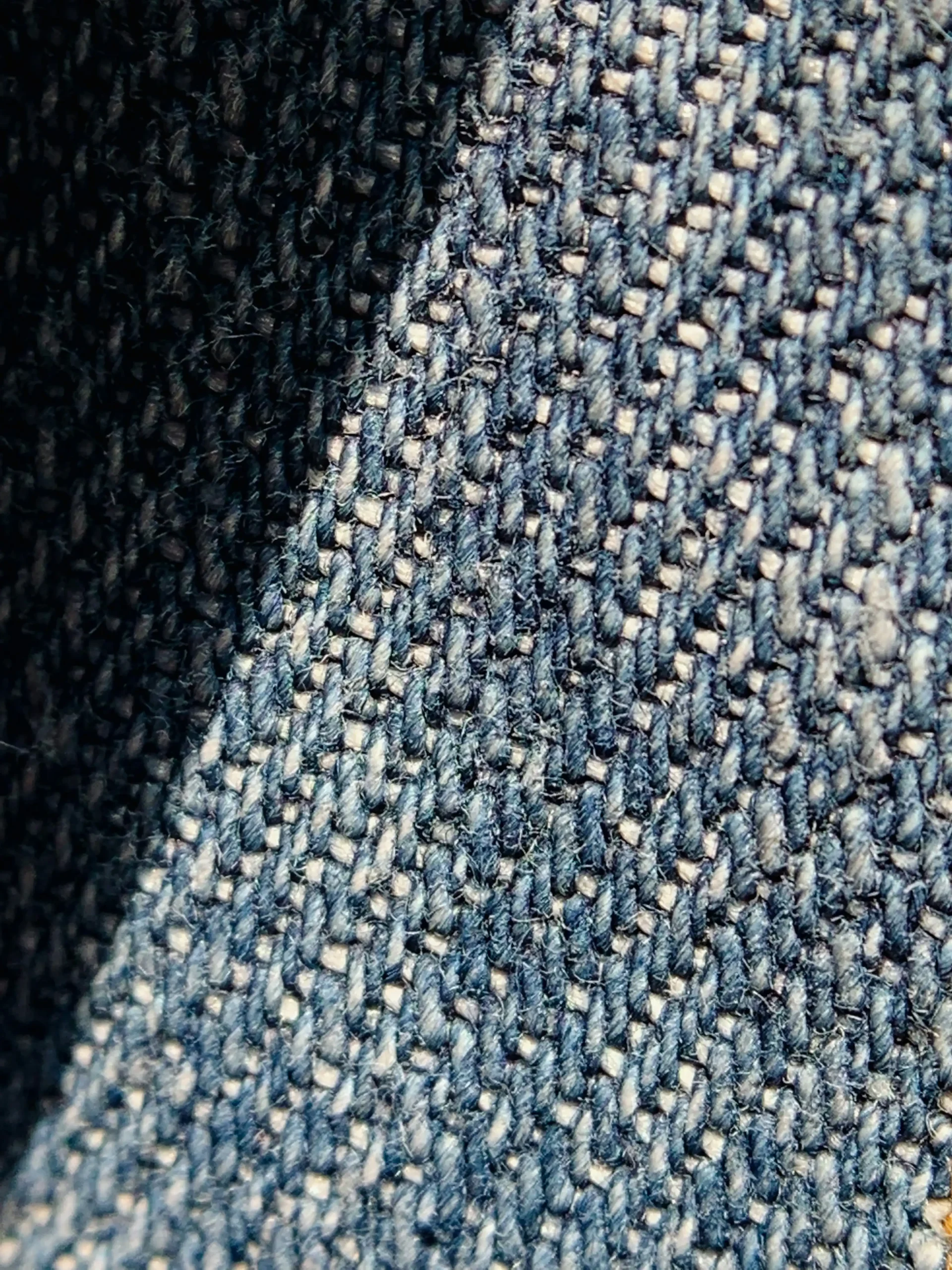
Total Lead Time from Idea to Door: 5-6 Weeks (Typical)
Run dye trials while the spinning frame is still turning, and you cut total lead time by 10–14 days.
A custom tweed or structured knit doesn’t have to take 8 weeks. When you sequence operations linearly—first spin all the yarn, then dye it, then weave—you burn calendar days that no factory can recover. The typical 5–6 week window from concept to container relies on a single deliberate overlap: small-batch yarn dyeing that starts before the full spinning run finishes. For a 300m custom program, bulk weaving can begin within 10–12 days of approving the lab dip, not 3 weeks later.
Here is where the integrated mill changes the arithmetic. An external spinning partner won’t release partial output; they ship only when the full order is on cones. That forces dyeing to wait—and wait is exactly what the pre-fall delivery calendar cannot absorb. A mill with in-house spinning and dyeing under one roof sidesteps this. As soon as the first 30–40 kg of slub or bouclé yarn comes off the frame, those cones move to the dye vessel while the rest of the batch keeps spinning. You gain color approval and first-off bulk yardage simultaneously.
- Concurrent dye lot window: Spinning 1000m of fancy yarn may take 14–16 days. Starting lab-matched dye cycles on day 5 means the first woven meter emerges by day 12, not day 21.
- Risk buffer built in: If the lab dip needs one correction round, you absorb that inside the spinning window instead of adding a separate 5–7 days to the schedule.
- Quality tolerance check: Early dye batches let you validate colorfastness and shade consistency under production conditions before the entire yarn inventory is committed, reducing the chance of a 1000m rejection at final inspection.
A luxury menswear collection operating on a pre-fall calendar cannot afford the 3–4 weeks an external spinner routinely demands for a new blend. Miss the fabric delivery by 10 days, and the garment CMT window closes—meaning a season lost, not just a late shipment. The 5–6 week aggregate timeline presumes you are running dye and spin in parallel. If your supplier treats them as sequential stages, you are already behind before the first yard is woven.

How to Plan for Pre‑Fall or Spring/Summer Launches
Miss your fabric delivery, and you’ve missed the season — no recovery.
Every luxury menswear designer I’ve worked with knows the calendar is absolute. Pre-Fall launches hit retail in May; Spring/Summer drops in January. The garment CMT (Cut, Make, Trim) stage typically needs 4 to 6 weeks, sometimes longer for structured tailoring. That means your fabric must be in the cutting room at least 8 weeks before retail delivery. If you’re a brand selling to high-end boutiques, those doors won’t wait for a delayed shipment.
Back-calculate from the retail floor date. For a May Pre-Fall launch, fabric needs to arrive by early March. Shipping from a Wenzhou mill to a European or US garment factory takes 2 to 3 weeks by sea, including customs clearance. Add the 5 to 6 weeks of custom fabric production we covered earlier, and you’re looking at placing the order by mid-January. That’s non-negotiable.
- Retail delivery date (Pre-Fall): May 1. Subtract 8 weeks for CMT: fabric needed by March 7.
- Ocean freight & clearance: Subtract 3 weeks: factory must ship fabric by February 14.
- Custom production (1000m Chanel-style tweed): Subtract 6 weeks: order must be confirmed by January 3. This assumes a finalized spec, approved lab dip, and no design changes.
The real danger isn’t the math — it’s the assumption that everything runs smoothly. I’ve seen a buyer lose a substantial order because the pre-production sample’s hand feel didn’t match the mass production run, triggering a re-spin and a 3-week delay. The CMT window collapsed, the brand had to air-freight garments at triple the cost, and margins evaporated. For a luxury menswear line where fabric weight tolerance (say, 350–500 g/m² on a bouclé blazer) is critical, sample approval cannot be a formality. You need a swatch that represents exactly what will hit the cutting table.
Integrated mills solve one hidden variable: parallel processing. In our partner mills in Wenzhou, we don’t wait for all yarn to be spun before starting dyeing. A portion of the production lot is dyed while spinning continues. That overlap shaves 10 to 14 days off the critical path. For a Pre-Fall or Spring/Summer schedule, those two weeks are the difference between a calm launch and a frantic, costly scramble. If your fabric supplier treats spinning and dyeing as sequential silos, your timeline is already fragile.
Another layer few designers factor in is the FOB pricing and shipping terms. If your CMT is in Portugal, you’re likely looking at FOB Ningbo or Shanghai. The container cut-off and vessel schedule can eat another 5 days if not aligned. Always confirm the cut-off date with your freight forwarder before locking the production start. A supplier promising a 5-week lead time means nothing if their completion date misses the next sailing by two days.
The final 10% that separates pros from amateurs: build a 7-day buffer into every fabric delivery date. Not for production delays — for quality tolerance. When you’re dealing with fancy yarn blends, metallic threads, or multi-tonal melanges, a slight color variance in lab dip stage can require a re-dip. Rushing that to meet a CMT deadline is how 5% opacity differences end up in the final garment. The buffer protects the aesthetic, and in luxury menswear, the aesthetic is the margin.

Fursone’s Advantage: In‑House Spinning Cuts 10‑14 Days
External spinners eat 3-4 weeks before you even see a lab dip—we spin and dye in parallel, shaving 10-14 days off your.
I’ve audited mills across multiple countries. The single biggest bottleneck in custom fabric development isn’t weaving or knitting—it’s yarn spinning, especially when you’re engineering a new bouclé or slub blend. Most factories outsource spinning to third-party mills that run fixed production schedules. You submit your spec, and you wait. In China, Italy, or Turkey, the standard turnaround from fiber selection to first batch of sample yarn is rarely under 21 days. For a luxury menswear brand, that delay kills your pre-fall or spring/summer calendar. You need fabric in hand at least 8 weeks before retail delivery; lose 3 weeks at the spin stage and your entire collection launch shifts by a season.
- Integrated spinning & dyeing: Fursone spins slub, bouclé, and chenille yarns in-house from raw stock (Australian Merino, Japanese lurex). The dye lab starts small-batch color matching on the first spooled yarn while the rest of the lot is still being twisted. This concurrent workflow turns a 3-4 week sequence into a 14-18 day reality. For a 300m custom Chanel-style tweed program, that means you hold a physical swatch within 7 days of sampling, not 21 days.
- Real-time color adjustments: Because spinning and dyeing are under one roof, we run iterative lab dips without waiting for external yarn shipments. If a Pantone target is off by half a shade, we tweak the dye recipe on the same day and respin a 200g trial batch overnight. The result: you approve a color-standard swatch while your competitors are still chasing their spinner’s production scheduler. This dynamic also tightens your quality tolerance window—you’re not accepting a compromised hue just to avoid a 2-week redo.
The math is brutal for a luxury menswear designer shipping to Barneys or Mr Porter in fall 2026. Miss your fabric deadline and you miss the delivery window. The cost isn’t just a late fee—it’s a canceled PO. By compressing the yarn spinning phase, we give you back those 10-14 days. That’s the difference between sampling in Week 3 and getting bulk fabric on a truck in Week 5, or still waiting for your first hank of yarn.
Conclusion
Most buyers treat a 5-week lead time as a fixed promise. Seasoned sourcing managers treat it as a negotiation baseline — layering in two extra weeks for sample approval rounds, hardening quality tolerance specs, and locking FOB pricing to landed cost targets. That buffer is the final 10%: it turns a pre-production swatch that doesn’t match the strike-off from a costly write-down into a smooth re-spin.
If your current mill can’t spin and dye concurrently, you’re giving away that buffer before the first yarn is twisted. Map your next collection’s fabric deadlines against an integrated timeline where sampling and first production overlap. The cushion you gain is what separates a sell-out season from a markdown disaster.
Frequently Asked Questions
What is the typical custom fabric lead time?
For a 300m custom order, total lead time from yarn spinning to delivery is 5-6 weeks. That’s about 10-14 days faster than mills reliant on external yarn suppliers. Plan your pre-booking 5-6 weeks before fabric delivery deadline.
How soon can I get a fabric swatch?
We ship physical swatches within 7 days of receiving your concept brief and Pantone references. This rapid sampling is possible because we spin our own yarns and dye in-house. Request swatches early to validate hand feel before production. What is the MOQ for custom fabric? The custom minimum order quantity is 300 metres per colour. For stock fabrics, you can start with as little as 100 meters. Small brands can test exclusive textures without large inventory risk.
Does the lead time include shipping?
Our 5-6 week timeline ends with goods packed and shipment booked. Ocean freight to major fashion hubs adds another 2-4 weeks. Factor transit time separately when planning collection deliveries.
How can I shorten custom lead time?
Start with our existing yarn library instead of a full custom spin to save up to 2 weeks. Even with a custom spin, our coordinated process is 10-14 days faster than mills that. Discuss design goals early to find the shortest path.
Authoritative References

Related Insights

How to Compare Fabric Quotes from Three Mills: A Side-by-Side Method
Three mills return three quotes for the same fabric brief, and the spread between them...

CNY Capacity Planning: Booking a Fabric Mill Around Chinese New Year
Every year, fabric buyers lose the same three weeks to the same event: Chinese New...

Second-Source Strategy: How Brands Qualify a Second Tweed Mill
Single-sourcing a signature fabric feels efficient right up to the season it fails: the mill’s...