

Tweed fabric HS code classification rarely makes it onto a sourcing manager’s priority list—until the large order that cleared pre-production sample approval lands in customs and fails inspection. The fabric weight looks right, the hand feels correct, but the tariff code your broker assigned triggers a secondary exam. Customs flags the fiber composition because the mass production run shifted from a pure wool blend to a polyester mix, and now you’re staring at a higher duty rate than you budgeted for (confirm the exact rate against live tariff data). That gap isn’t just a paperwork headache; it’s a direct hit to your landed cost.
I’ve seen this play out across a dozen supplier audits. The root cause is almost never malicious. It’s a mismatch between the sample’s documented construction and the actual weave or knit structure in the final shipment. A Chanel-style bouclé may look like a woven product under the microscope, but if the yarns are looped rather than interlaced, it belongs under a knitted classification. Get it wrong, and you’re not just paying higher duties—you’re risking a customs hold that can add three weeks to your delivery window. That’s three weeks of missed shelf space and possibly a canceled PO.
If you skip this step—if you assume the broker will figure it out from the invoice description—you’re essentially gambling your FOB pricing advantage on a technicality. The cost of a reclassification, storage fees, and potential penalties can wipe out any margin you saved by sourcing factory-direct. And the worst part? It’s entirely avoidable. You just need the right construction data before the container leaves Wenzhou.
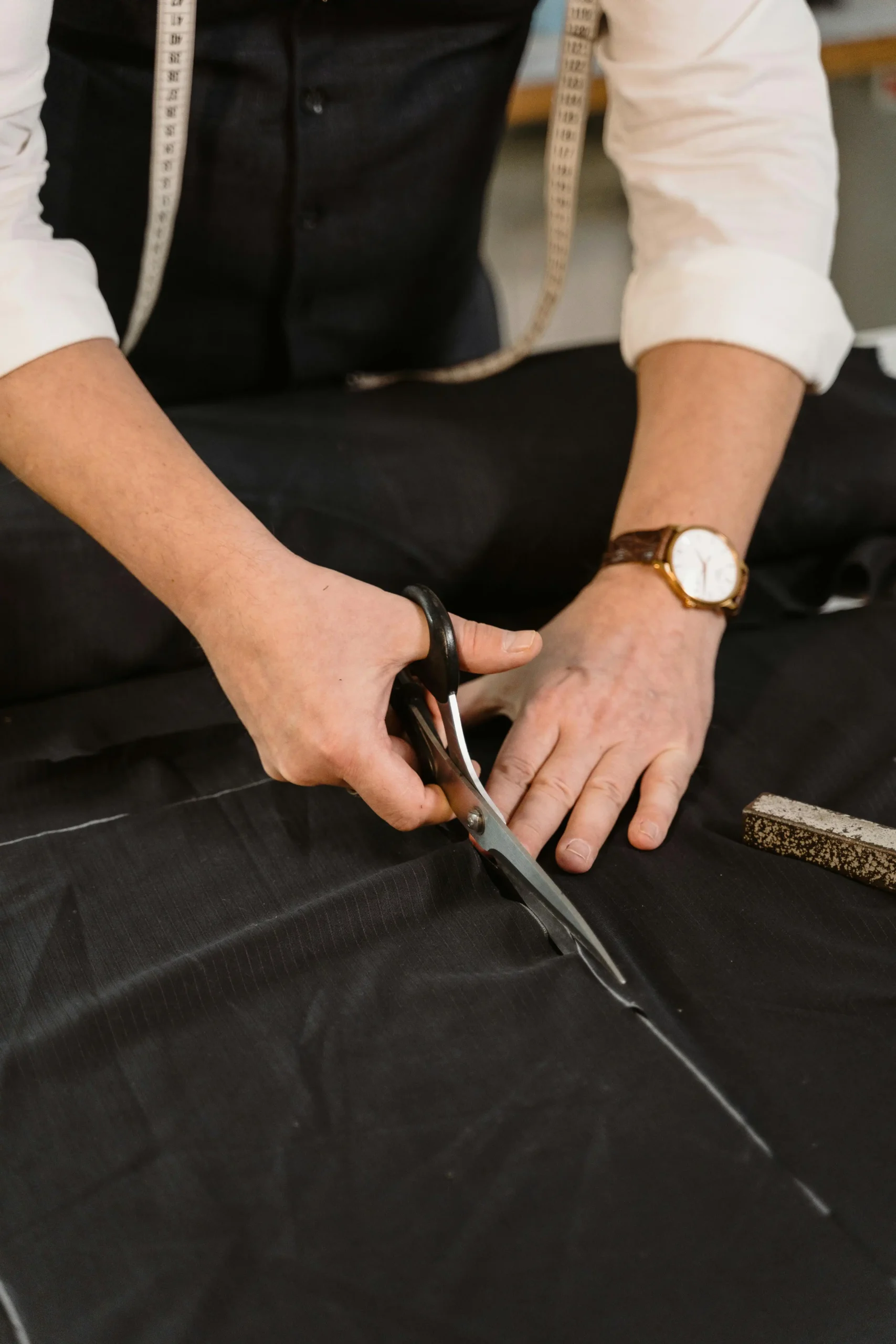
Why Tweed Fabric HS Code Classification Matters One wrong HS code can add weeks to customs clearance and a substantial amount in unexpected duties.
A sourcing manager I worked with imported a large order of heavyweight bouclé from our partner mills in Wenzhou. The freight forwarder’s broker classified it under 5111 (woven wool fabric) because it looked like a traditional tweed. Customs in Rotterdam flagged the shipment, and a physical inspection revealed the fabric was actually a knitted loop-pile construction — correctly falling under heading 6001. The reclassification delayed delivery by weeks and added storage and re-brokering fees. That’s the reality of misclassification. It’s not a formality. It directly affects your landed cost and go-to-market timeline.
The twin risks are overpaid duties and customs holds. If you classify a polyester-wool blend Chanel-style tweed under 5111 instead of 5515, you might underpay duty and trigger an audit — or overpay if the code carries a higher rate. Customs authorities in the EU and US now use AI-based document screening that flags mismatches between fabric construction, fiber content, and declared HS code. A 100-meter sample approval piece that cleared fine might get flagged on a 1,000-meter commercial shipment because of weight-per-unit discrepancies.
- Fiber content mix: A single Fursone Chanel-style tweed can blend Australian Merino wool, polyester, and Japanese lurex. The HS code depends on the weight-dominant fiber. The 5111 vs 5112 tweed fabric HS code debate hinges on whether the wool content exceeds 85% — and most fashion tweeds don’t.
- Construction data, not visual: Heavyweight bouclé with looped surfaces often gets misclassified as knit under 6001 when it’s actually a woven construction. Fursone provides weave construction records with every shipment so your broker uses facts, not appearance.
- Eco-conscious shift: Sustainable eco knits with GRS-certified recycled polyester must land under 6004 or 6006, not 511x. This shift can materially alter the Chinese tweed fabric import duty rate for your calculation.
The most dangerous phrase in sourcing is ‘the broker will figure it out.’ Most generalist brokers see tweed and default to 5111 — the exact tweed fabric classification mistake that triggers holds. In our experience, fancy fabric imports from China are frequently misclassified at the document stage, usually because the declared code is guessed from appearance rather than construction data. Every Fursone shipment includes a pre-classification sheet with recommended 6-digit HS codes and the underlying construction data — cutting reclassification cost and time.
Key HS Headings for Tweed and Knit Fabrics (5111, 5112, 6001)
Misclassifying tweed by sight alone can lead to meaningful tariff overpayment.
The Harmonized System splits tweed and knit fabrics across headings such as 5111 (woven fabrics of carded wool), 5112 (woven fabrics of combed wool), and 6001 (knitted pile and looped fabrics). The carded-vs-combed preparation, the wool-content threshold, and the weight per square metre determine the exact subheading — and blends where wool is not the dominant fiber can move to another chapter entirely (confirm against the live tariff schedule). Mix them up and you’re looking at a customs hold that adds weeks to your lead time plus brokerage reclassification fees. I’ve seen it happen to a jacket brand that imported Chanel-style bouclé under 5111 because the sample looked like pure wool. The actual fiber breakdown was 60% wool, 30% polyester, 10% metallic lurex — which moved it to a different heading with a different duty rate, and the container sat at the port for days.
- HS 5111 vs 5112: Both headings cover woven fabrics containing 85% or more by weight of wool — 5111 for carded wool and 5112 for combed wool — with the weight per square metre setting the subheading. Our Chanel-style tweeds often blend wool with polyester and lurex; where wool is not the dominant fiber, the fabric can move to a different heading (e.g., Chapter 55 for synthetic-dominant blends). The duty rate can differ between these headings, so confirm the exact rate against live tariff data before you cost the order.
- HS 6001 – Knitted bouclé: 6001 applies to knitted or crocheted pile fabrics, including looped bouclé. Every year we see buyers visually mistake a heavyweight bouclé woven on a rapier loom for a knit because of its surface texture. Our fabric construction data sheet includes weave vs. knit classification, so you can hand it directly to your customs broker. Without it, expect a classification request from customs that adds days to your clearance.
The trap with sustainable eco knits is different. GRS-certified recycled polyester knits are classified under 6001 for synthetic knitted fabrics, not under any wool heading. A sourcing manager I worked with tried to import our Eco Bouclé under a wool heading because the hand feel matched a wool blend. The recycled polyester content meant the correct code was a Chapter 60 knit heading (6001). The duty rate differed from the wool line — a noticeable cost difference per shipment, plus a penalty on voluntary disclosure. That’s the kind of mistake that kills your margin before the fabric ever reaches your cutter.
Every Fursone shipment comes with a pre-classification sheet listing recommended 6-digit HS codes, fiber percentage breakdowns, and construction notes. Brokers can classify quickly instead of chasing the factory for spec sheets. That’s not a nice-to-have; it’s the difference between a fast customs clearance and a multi-week hold. If your supplier can’t give you a written HS code recommendation, you’re carrying the risk.
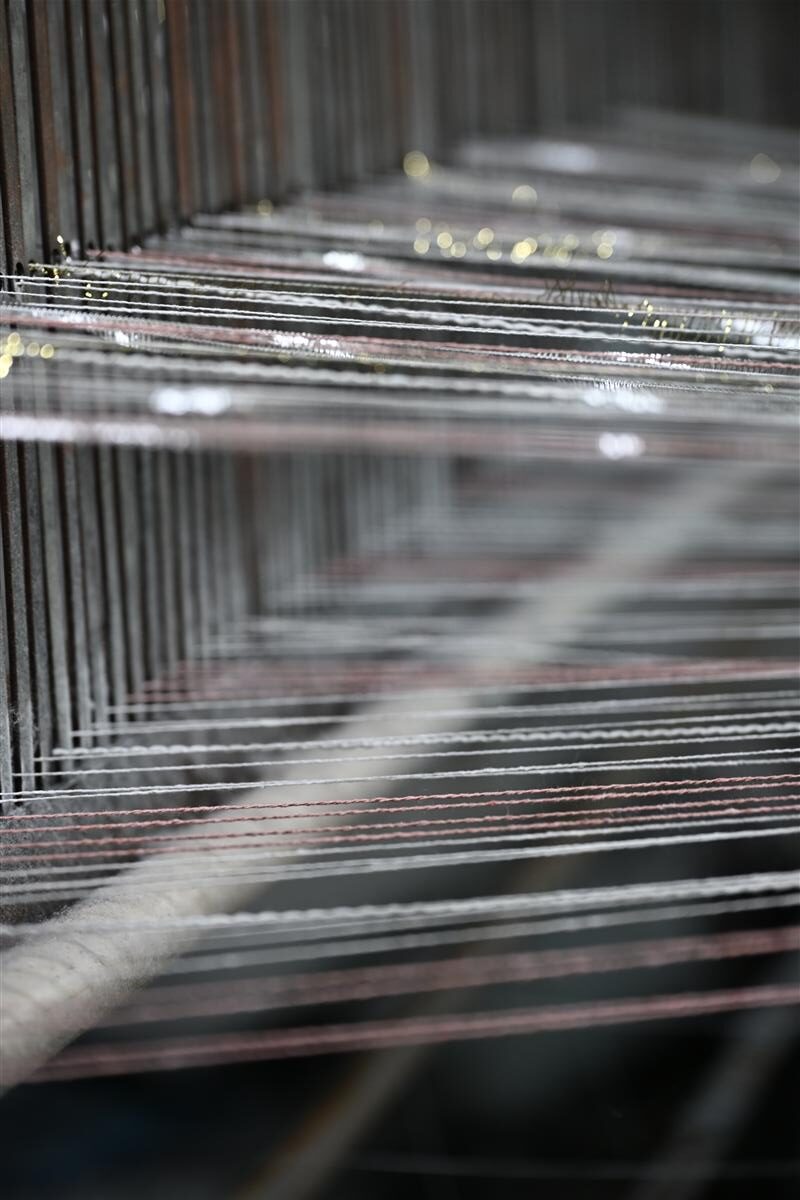
3 Common HS Code Mistakes That Trigger Customs Holds
Get the HS code wrong, and your tweed order sits at customs for weeks.
Even experienced sourcing managers slip on HS codes for tweed fabrics. The problem isn’t the tariff schedule itself—it’s the layered construction of modern fancy fabrics. A single Chanel-style tweed from our partner mills in Wenzhou can contain wool, polyester, and metallic lurex in ratios that shift the correct heading. Visual inspection alone fails. Below are the three most frequent classification errors that trigger customs holds, and how Fursone eliminates them before shipping.
- Mistake 1: Ignoring fiber content thresholds for woven wool codes.: Many sourcing managers default to HS 5111 (woven fabrics of carded wool, ≥85% wool). But Fursone’s multi-fiber tweeds often contain less than 85% wool due to added polyester for durability and lurex for aesthetic effect. When wool content drops below 85%, the correct heading shifts to HS 5112 (other woven fabrics of combed wool or fine animal hair) or even 6001 (knitted) depending on construction. Reclassification at customs can delay clearance by several business days and add brokerage fees per shipment.
- Mistake 2: Classifying looped-pile bouclé as knitted (HS 6001) based on visual texture.: Heavyweight bouclé fabrics often have a looped pile that looks knit but are actually woven with a plain or twill base. Customs officers may flag the shipment if the physical appearance doesn’t match the declared construction. Fursone provides a weave construction data sheet for every bouclé order—confirming warp-and-weft structure—so your broker can confidently assign HS 5111 or 5112 instead of 6001. In one instance, a buyer avoided a 3-week hold by submitting this sheet during pre-clearance.
- Mistake 3: Assuming sustainable eco knits belong under wool headings.: Eco-conscious brands ordering GRS-certified recycled polyester knits sometimes classify them under HS 5111 or 5112 because the hand feel mimics wool. These fabrics are synthetic knitted textiles and must fall under Chapter 60 (specifically 6001). Misclassification here doesn’t just delay shipment—it can materially alter landed cost because synthetic duty rates differ from wool. Fursone’s pre-classification sheet flags this shift upfront, listing the recommended 6-digit HS code for every eco-knit SKU, so your customs broker gets it right the first time.
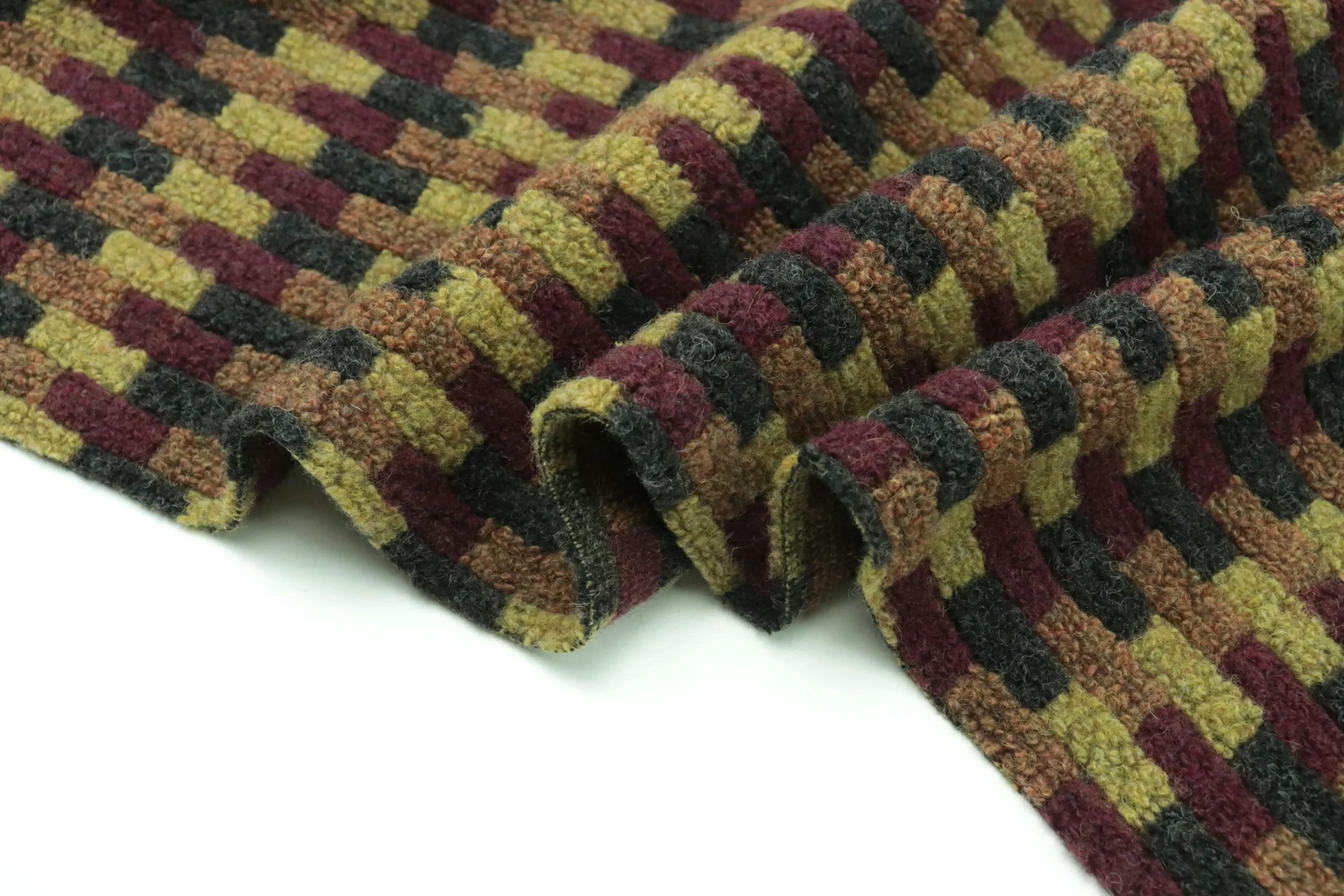

How Fursone Helps You Classify Your Tweed Shipment Correctly
Every Fursone shipment includes a pre-classification sheet with recommended 6-digit HS codes.
The fastest way to trigger a customs hold is to let a freight forwarder guess your fabric’s HS code. Shipments have sat for weeks because a bouclé tweed was labeled ‘woven wool’ when the loop structure actually fell under knitted fabric heading 6001. Fursone eliminates that guesswork before the container leaves Wenzhou.
Our in-house documentation team prepares a pre-classification sheet for every order. It lists the exact weave type (plain, twill, or looped pile), the fiber composition percentages (e.g., 52% wool, 30% polyester, 18% metallic lurex), and the recommended 6-digit HS code. That single sheet dramatically cuts broker reclassification time and reduces the ‘underpaid duties’ risk that triggers penalties.
For Chanel-style tweeds with multiple fiber types, we break down the tariff heading by the component that gives the fabric its essential character — usually the wool content under 5111 or 5112. For heavyweight bouclé, we provide weave construction data that proves it is a woven pile fabric, not a knit, preventing the 6001 misclassification. For GRS-certified eco knits made from recycled polyester, the sheet defaults to synthetic knitted fabric codes (e.g., 6006), a shift that changes the applicable duty rate compared to wool headings (confirm the exact rate against live tariff data).
- Pre-classification sheet contents: Weave construction code, fiber breakdown (by weight), and recommended 6-digit HS code (the importer confirms the final duty rate against live tariff data).
- Who receives it: Sent directly to your customs broker 48 hours before shipping — no need to re-enter data or parse mill jargon.
- Recommended, not binding: Our pre-classification sheet is a recommendation that supports your broker; the importer of record remains responsible for the final customs declaration. If a code is questioned, we help resolve the reclassification quickly with the underlying construction data.
Conclusion
Before you sign off on your next FOB shipment, run through this quick checklist with your supplier: 1) Does your invoice include a documented breakdown of fiber percentages by weight? 2) Is the fabric structure (woven vs. knitted) confirmed by the mill’s technical specs, not by your sample approval? 3) Has your supplier prepared a pre-classification sheet with the recommended 6-digit HS code? If the answer to any of these is no, request that documentation before the goods leave the factory. Most delays are avoidable when you know what to ask for. Browse the Fursone product page to see how our pre-classification sheets simplify your customs process, or contact us for a pre-classification sheet with your next sample.
Frequently Asked Questions
What is the HS code for tweed fabric?
Woven wool tweed falls under heading 5111 (carded wool) or 5112 (combed wool), with the subheading set by wool content and weight per square metre. Knitted bouclé and textured knits fall under Chapter 60 (e.g., 6001 for pile fabrics), not Chapter 51. Verify the wool percentage and construction before selecting the heading, and confirm against the live tariff schedule.
Why does the HS code matter for tweed imports?
The HS code sets your duty rate and whether your shipment clears quickly. A wrong code can move your fabric to a higher-duty heading and trigger a customs hold that adds weeks to delivery, plus reclassification fees and possible penalties. Always confirm the code — using fiber composition and construction data, not appearance — with your broker before shipping.
What are common HS code mistakes for tweed?
The most common errors are classifying a knitted loop-pile bouclé as woven wool (or vice versa), assuming every wool-looking fabric belongs under 5111 regardless of blend or construction, and guessing the code from appearance. For mixed-fiber or metallic fabrics, request the mill’s construction data and, if unsure, a binding tariff ruling.
How do I classify tweed vs knit fabrics for customs?
The key distinction is construction: woven tweed (interlaced warp and weft) goes under Chapter 51, while knitted bouclé and textured knits (looped stitches) fall under Chapter 60. Your fabric’s stitch structure and fiber content determine the correct heading. Send a swatch and the mill’s construction sheet to your customs broker to confirm before importing.
For a step-by-step guide: How to Source Fabric from China for Small Brands. Need samples first? Request free fabric swatches.

Related Insights

Shipping Tweed Through Humid Seasons: Moisture, Bale Packaging and Mold Prevention
Wool fabric has an inconvenient relationship with the ocean: it absorbs moisture, and a shipping...
Exchange Rate Risk in Fabric Imports: 3 Ways to Hedge
Fabric importers quote retail prices months before they pay their mills, and currency moves in...

Demurrage and Detention on Fabric Containers: The Clocks That Eat Margins
A fabric container that arrives on time can still lose its margin in the port...