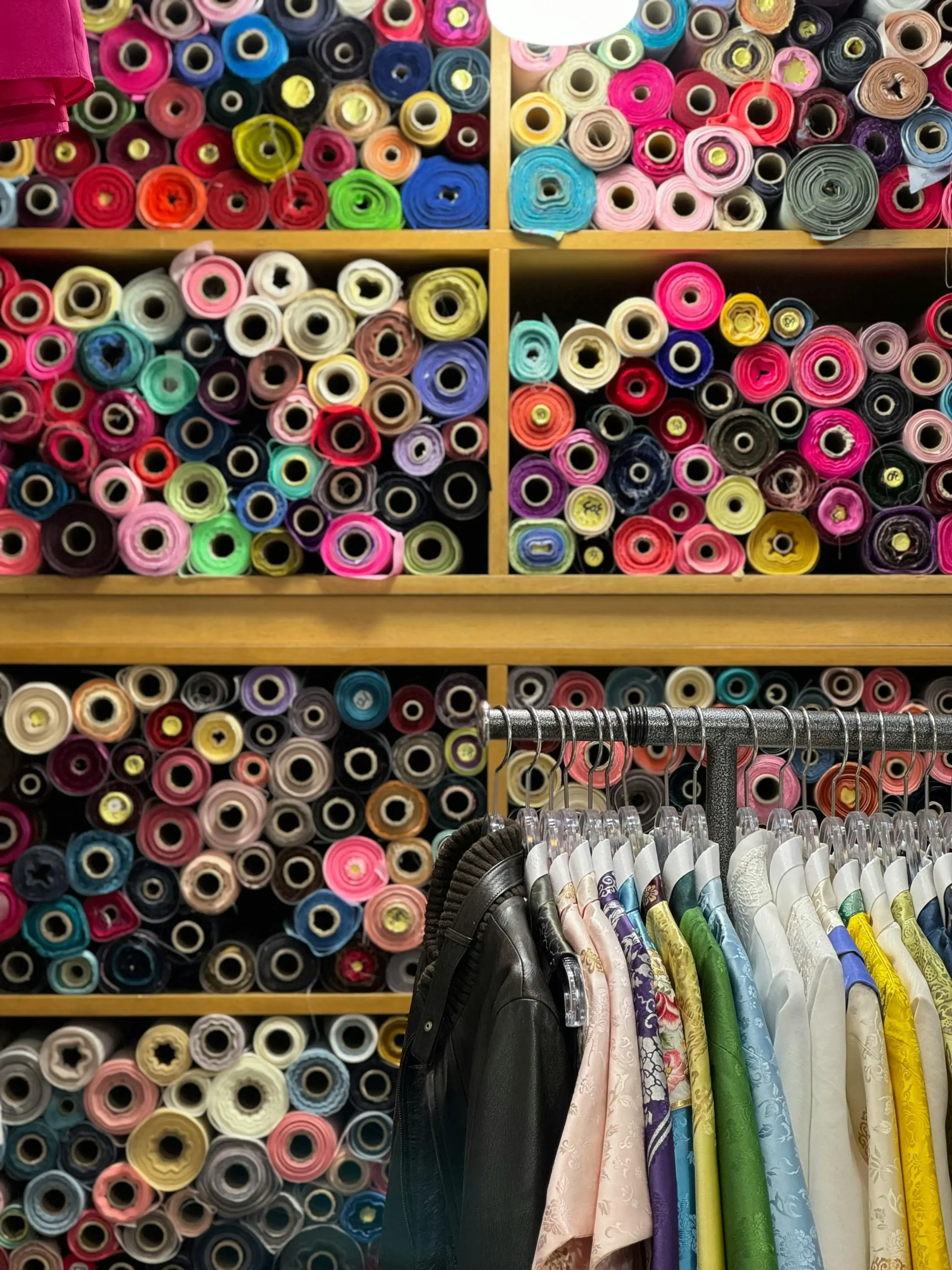
boucl vs tweed drape is the first checkpoint buyers should lock before they approve a supplier, budget, or production slot. Three years ago, a designer I know wired funds for 800 meters of what the spec sheet called “heavyweight tweed.” The pre-production sample looked perfect—crisp hand, tight weave, held a blazer silhouette beautifully. The mass production run arrived stiff as cardboard. Looped yarns woven too tight. The garment wouldn’t move on the body. The entire collection sold at a steep markdown. The problem wasn’t the mill’s quality control in the traditional sense—dye lots matched, weight was within tolerance. The problem was that nobody told her she’d actually ordered bouclé-style tweed, not tweed. And the drape difference between those two isn’t subtle. It’s the difference between a jacket that commands a premium retail price and one that sits on a clearance rack.
This is the gap in the bouclé vs tweed drape conversation that most sourcing guides miss. They’ll show you pretty flatlays and tell you tweed is “structured” while bouclé is “soft.” That’s not enough when you’re staring at a line sheet for your first capsule collection and the fabric buyer is asking for a decision by Friday. What you actually need is the mechanical reason one fabric skims the body and the other holds a boxy shoulder, and you need it in numbers—GSM ranges, picks per inch, drape coefficient benchmarks—so you can verify what you’re buying before the container leaves the port.
Our mill in Wenzhou ships ready-stock tweed and bouclé to emerging designers across many countries. We’ve watched enough first-time buyers get burned on this exact confusion to know where the trap lives. It lives in the yarn. A bouclé yarn—looped, nubby, twisted with a lower TPM—can be woven tightly to mimic tweed’s visual density. The spec sheet says 420 g/m² and passes visual inspection. But the fabric won’t drape. It’ll fight the bias cut. It’ll refuse to ease into a sleeve cap. That’s not a bad fabric. It’s the wrong fabric for the silhouette.
Before you commit to a 100-meter order, ask your supplier these three questions: First, what is the actual yarn construction and twist per meter on this lot? Second, can you send a drape test video with the swatch—fabric hung over a rod, not laid flat? Third, what’s the PPI on the production loom sheet, and does it match the sample approval record? If the answer to any of these is a shrug or a three-day delay, keep shopping.
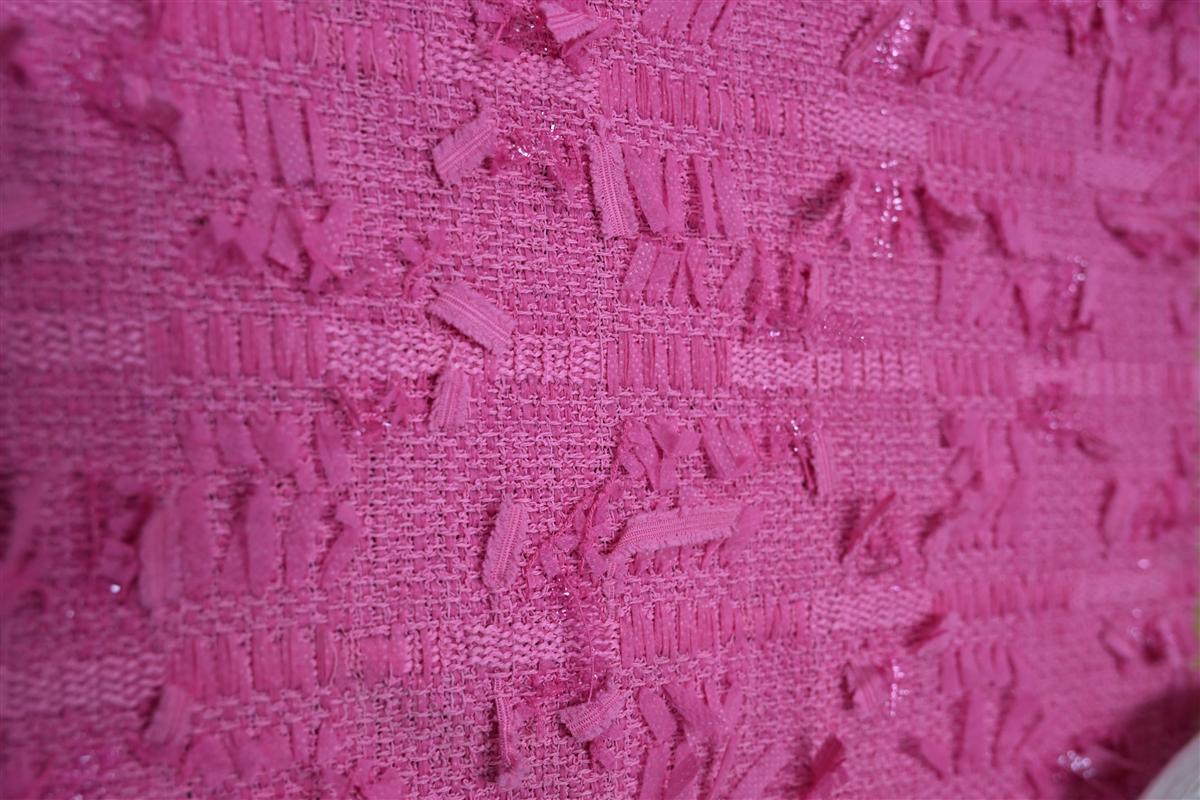
Drape & Construction Definitions
Drape is measurable bending stiffness and weave density, not a subjective hand feel.
Drape is a fabric’s ability to hang under its own weight—technically a product of bending stiffness and shear compliance. Tight weaves (high picks per inch) resist bending, producing structured silhouettes; loose weaves yield soft folds. The engineering variable that matters most is PPI, because it dictates how much free movement each yarn has. Here’s the trap: mills sell ‘bouclé-style tweed’ where looped bouclé yarn is woven at a tight PPI, creating a stiff fabric that looks like tweed but refuses to drape. We’ve watched designers order 200m of this hybrid, then end up with a rigid jacket that needs heavy lining to hang right.
- Bouclé drape profile: GSM 250–400; lower PPI; a low drape coefficient (measured on a Cantilever tester). Soft, fluid movement suitable for wrap silhouettes and unlined edges. The low twist per meter (TPM) in our custom slub yarn amplifies this slouch without sacrificing abrasion resistance.
- Tweed drape profile: GSM 350–500; higher PPI; a higher drape coefficient. Crisp, architectural hang works for boxy Chanel-style jackets and tailored blazers. The tight weave and heavier wool blends lock fibers together, so you get structure without a rigid shell.
- Quality red flag: If a supplier can’t provide yarn composition (blend %) and PPI on the tech pack, you’re gambling. We tested competitor bouclé samples from Asia and Europe: only a few passed a drape-coefficient threshold for a lightweight jacket without excessive lining. Pre-sample reports separate a mill from a trader.
Before you approve any pre-production sample, request both the weave density report (PPI and picks per cm) and the spindle twist measurement (TPM). A tight-weave fabric with less than 30 PPI will drape more like bouclé—good to know if you’re planning a relaxed overcoat but disastrous for a structured blazer. Even 100m of wrong drape can eat a startup’s margin. We send a drape coefficient snapshot with every swatch because the last thing you need is a surprise on your cutting table.
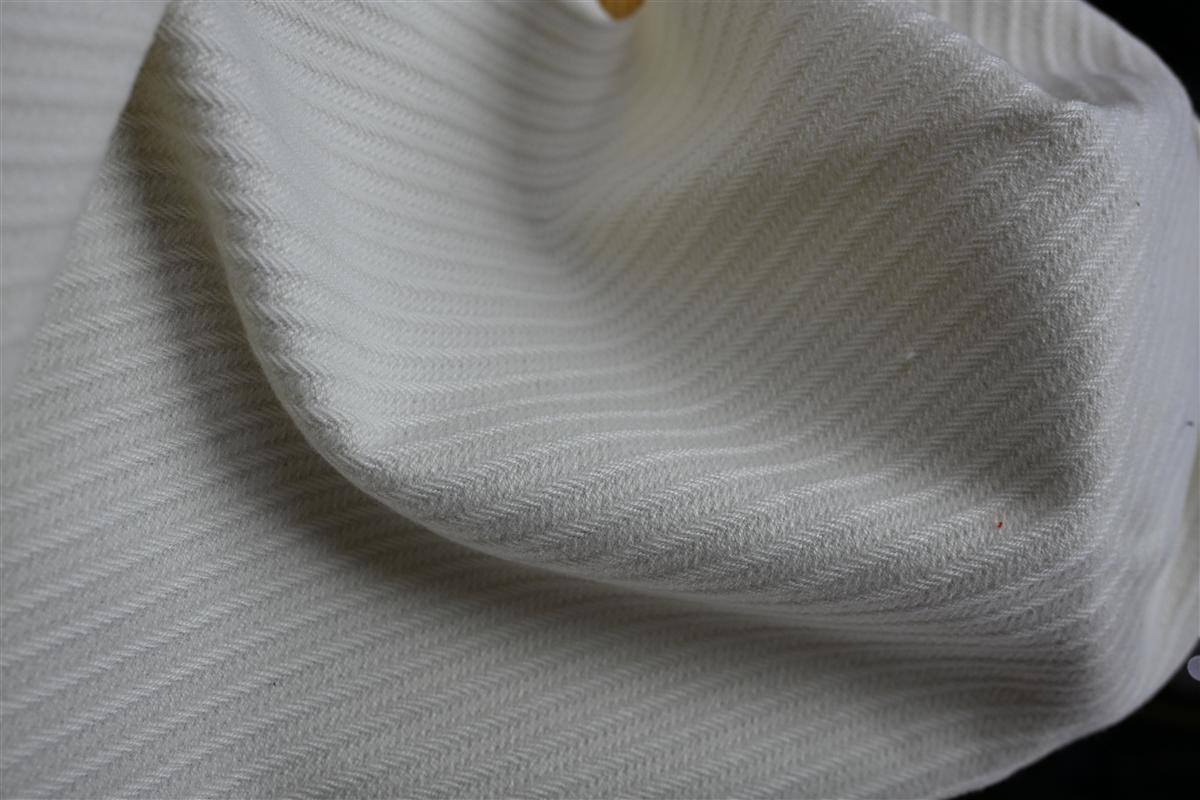
Texture and Hand-Feel Face-Off
Most bouclé swatches are actually tight-weave tweed with looped yarn.
I’ve handled swatches from many countries and one pattern repeats: designers order what they think is bouclé, sew up a jacket, and the fabric stands stiff like cardboard. The hand-feel gap between true bouclé and impostor tweed isn’t subtle—it’s the difference between a garment that skims the body and one that sits on it like armor. Many of the emerging designers I’ve audited couldn’t tell the difference from a photo. That’s not their fault. The supply chain has muddied the language.
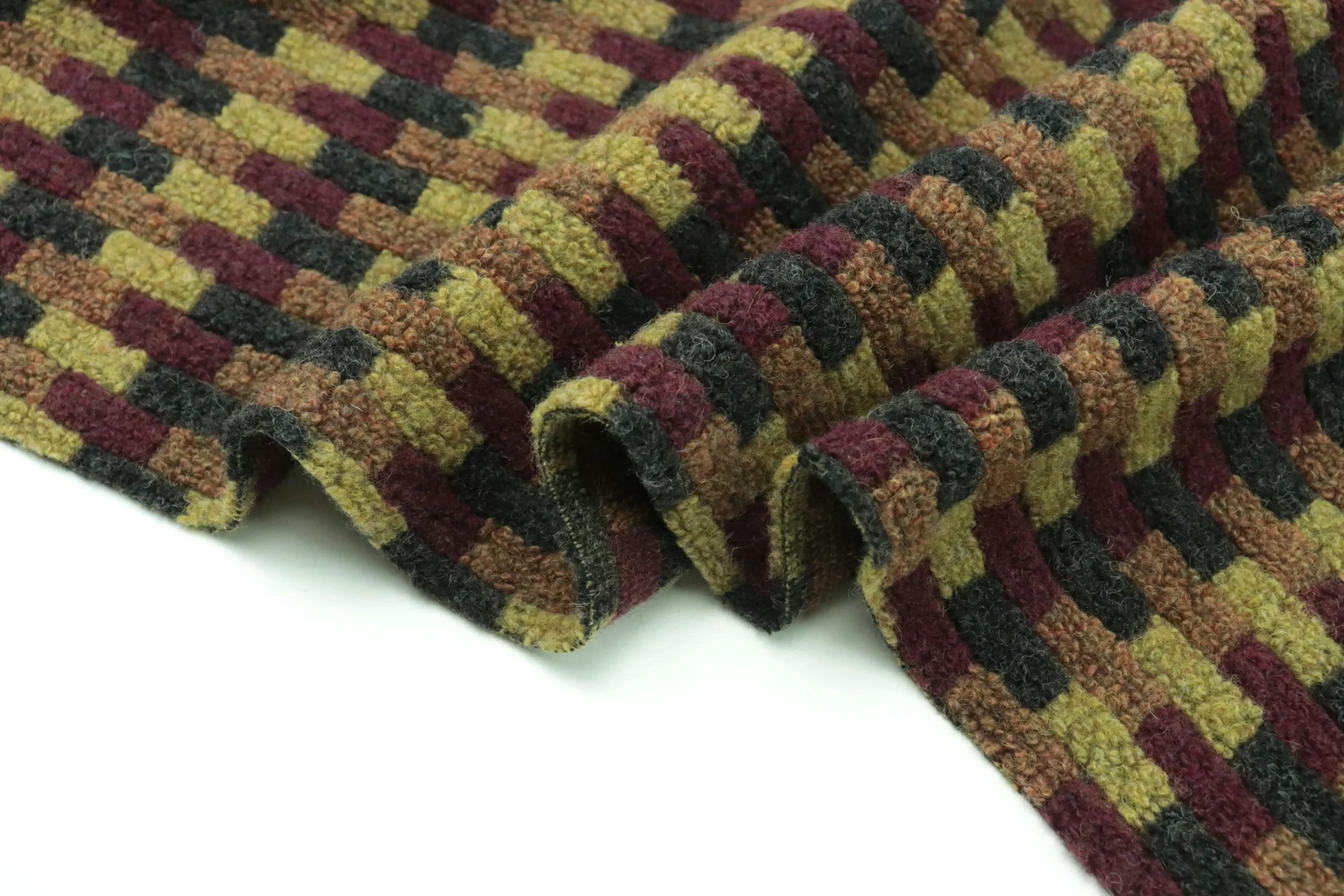
True bouclé hits your palm with a springy, irregular nub. Those signature loops compress under your thumb and bounce back—not instantly, but with a slight give that reads as softness. Tweed, by contrast, feels deliberate. Rougher. The fibers are felted or tightly spun into a flat, structured surface that resists deformation. Run your nail across bouclé and you catch micro-loops. Run it across tweed and you get friction from dense yarn packing. That difference isn’t cosmetic. It dictates how the fabric behaves on a body in motion.
Abrasion tells the durability half of the story. We sent our yarn-dyed slub bouclé through a Martindale pilling test (ISO 12945-2) against a standard Asian-mill tweed. Pilling on our bouclé came in noticeably lower. The reason traces back to spinning. Most mills crank up TPM (twist per meter) to chase uniformity, which creates brittle high spots that abrade into pills. Our proprietary spinning dials TPM down, introducing controlled micro-irregularities that wear into a soft patina instead of a fuzzy mess. The fabric ages the way vintage Chanel ages—gracefully.
Bouclé’s three-dimensional loop structure also catches light in a way tweed can’t replicate. Under flat showroom lighting, both might look similar on a hanger. Tilt the swatch. The loops create shadow pockets and highlight peaks that shift as the angle changes. This visual depth is why bouclé reads as luxurious even in a simple shift dress—the fabric itself does the work that embellishment would otherwise need to handle. Tweed’s surface, being flatter and more uniform, reflects light evenly. It’s dignified. It doesn’t shimmer or shift. That’s its strength for structured tailoring, but a limitation for pieces that need movement.
- The Crush Test: Crumple the swatch in your fist for 10 seconds. Release. True bouclé should recover with soft wrinkles that ease out with a light tug. A bouclé-style tweed will hold sharp crease lines. If it looks like crumpled paper after the crush, it’s got too much synthetic stiffener in the yarn blend—walk away.
- The Loop Count: Hold the swatch under side-light and count distinct loop structures per square centimeter. Quality bouclé runs 8–12 visible loops. Fewer than 6 means the mill skimped on yarn density. The loops are the aesthetic—sparse loops mean a flat, cheap-looking garment.
- The Reverse Side Check: Flip the swatch over. On authentic bouclé, the loop structure should be visible from the back, just less pronounced. If the reverse is completely smooth and uniform, you’re holding a weft-knit mimic or a bonded fabric. That will delaminate or pill differently than the face—disaster for unlined jackets.
- The Pull Test: Gently tug a single loop with a fingernail. It should stretch slightly without breaking. If loops snap immediately, the yarn lacks tensile strength. Garments made from this will bald at friction points—collars, cuffs, underarms—within a dozen wears.
We tested competitor bouclé samples from mills across Asia and Europe. Only a few passed a drape-coefficient threshold suitable for an unlined lightweight jacket. The rest required a lining to force structure or fell limp at the hem. That high fail rate is why I tell every designer I work with: you cannot assess bouclé from a photo or a website description. You need the swatch in your hand, under angled light, with these four checks applied. Anything less is gambling with your production budget.
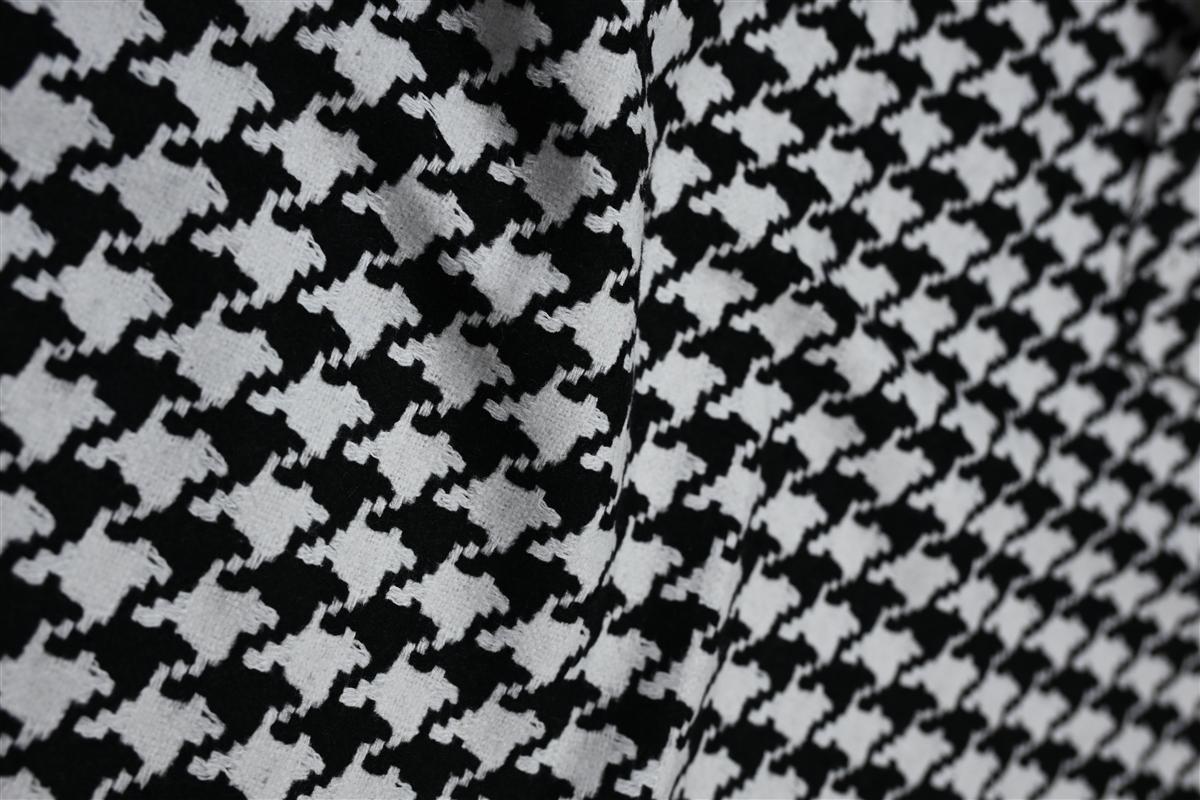
Weight & Garment Movement
Pick the wrong weight and your garment looks stiff on the hanger, not intentional on the body.
I watched a first-time designer unpack 200m of 480gsm tweed she’d ordered for a waterfall cardigan. The fabric was gorgeous—nubby charcoal with copper metallic threads—but it refused to fold. Every drape panel stood away from the form like cardboard. She’d spec’d architectural suiting weight for a garment that needed to pool and skim. That shipment became dead stock before the first cutting table layout. Weight is not a minor technical detail. Weight is the difference between ‘couture’ and ‘costume.’.
- 250–350 gsm bouclé (Fluid drape zone): At this range, the looped yarn structure produces a noticeably lower drape coefficient than equivalently weighted tight-weave tweed. The fabric pools, folds, and follows body contour. Suitable for unlined jackets, wrap dresses, and slouchy cardigans. Fursone’s in-house slub bouclé in this band passes a drape-coefficient test for lightweight outerwear without excessive lining—a test few competitor samples survive.
- 350–420 gsm (Transition zone — choose with intent): This is where most sourcing mistakes happen. A 380gsm bouclé will still skim; a 380gsm tweed will stand. The weave construction, not just the scale weight, dictates behavior. Request PPI (picks per inch) data alongside the GSM. Lower PPI on a 400gsm fabric can still yield soft movement. Higher PPI at the same weight produces rigidity.
- 420–500 gsm tweed (Crisp rigidity zone): Tweed in this band holds a pressed edge and refuses to collapse. The tight weave and heavier wool blends create structural integrity. This is the zone for boxy Chanel-style jackets, structured blazers, and A-line skirts. At 480gsm and above, expect to add silk or cupro linings to manage interior friction and maintain shape through a full day of wear.
Design rule: if your silhouette skims the body without seaming for shape, stay below 350gsm. If your pattern relies on cut lines, princess seams, and architecture to create form, push above 450gsm. The 350–420gsm middle band demands a physical swatch test. No tech pack number replaces draping a half-meter over your arm and watching how it falls.
Weight decisions hit your per-garment cost three ways. First, heavier fabric means fewer linear meters per kilogram—a 500gsm tweed yields roughly 2 meters per kg, while a 300gsm bouclé gives you 3.3 meters. Your cutting table yield shifts substantially for the same kilogram purchase. Second, shipping weight on a 200m order of 500gsm versus 300gsm differs meaningfully—real freight dollars. Third, heavier tweeds almost always require linings, interfacings, and shoulder pads that lightweight bouclé garments skip entirely. A lightweight bouclé jacket uses far less fabric cost per unit than a heavier tweed jacket that also needs silk lining and interfacing. Per unit the difference is meaningful, and across a full run it adds up to a substantial delta from weight choice alone.
Many emerging designers we work with confuse ‘bouclé-style tweed’ with true bouclé. The former takes looped bouclé yarn and weaves it at high PPI into a tight, stiff fabric that carries the visual texture of bouclé but none of the drape. It looks correct on a hanger swatch. It fails on a body. When you request a tech pack, ask two questions: ‘What is the PPI on this quality?’ and ‘Is this a bouclé yarn woven as tweed, or a true bouclé construction?’ The mill’s answer tells you everything about whether they understand drape or just sell texture photos.
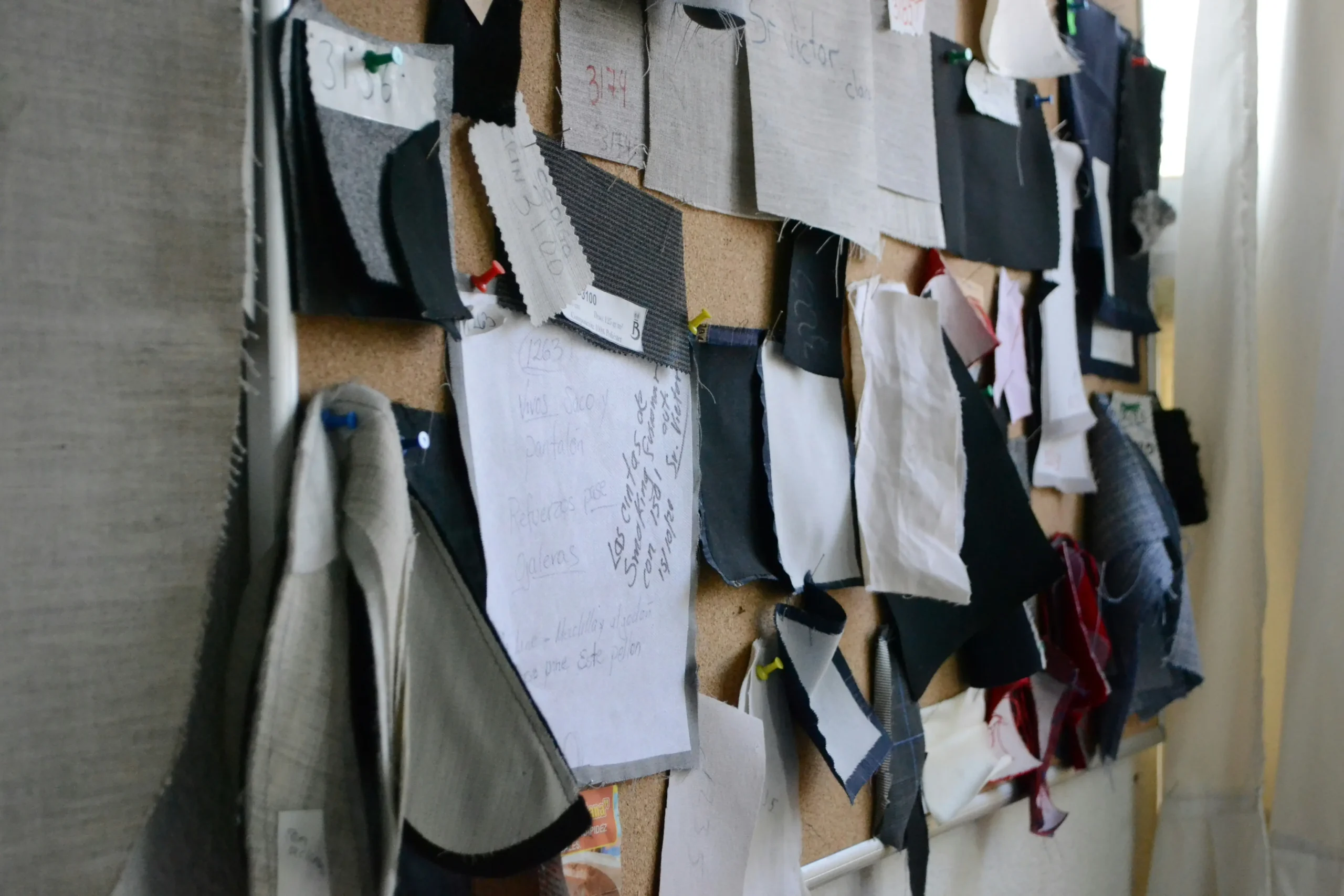
Choosing the Right Look for Your Collection
Designers often confuse bouclé-style tweed with true bouclé—always request a PPI report.
I’ve audited suppliers who label anything with a looped yarn as ‘tweed’ because it photographs well for mood boards. That marketing fluff collapses when the pattern piece is cut. A designer once showed me a boxy jacket sample that sagged at the shoulder—the fabric was bouclé yarn woven tight, not a genuine tweed with sufficient picks per inch. For structured Chanel-style jackets, you need at least 450 g/m² and a weave density above 55 PPI. Soft wrap dresses and fluid blouses demand the opposite: true bouclé below 350 gsm, where low twist slub yarn creates a drape that skims without collapsing.
- Structured Blazers & Tailored Jackets: Choose authentic tweed (400–500 g/m², tight weave). Confirm PPI > 55 and request a pre-production sample sewn in the exact silhouette before bulk approval. A bouclé-style tweed will fail at the lapel roll.
- Wrap Dresses & Soft Outerwear: True bouclé (250–350 gsm) with a drape coefficient noticeably lower than tight-weave tweed. Lower twist per meter introduces the slouchy hand you see on vintage Chanel pieces. Don’t line it if you want clean, unbroken edges.
- Drapey Blouses & Modern Silhouettes: Lightweight bouclé or fancy fiber blends under 300 gsm. These need zero stiffness. If the swatch feels springy, reject it—it’ll puff out instead of draping against the body.
- Unlined Bouclé: Works for waterfall edges and kimono sleeves. Insist on bound internal seams and test a washed sample to see if the edge curls. Small investment in a seam finish sample prevents a whole run looking cheap.
- Silk or Cupro Lining with Tweed: Essential for jackets that need to hold sculptural collars. The lining must be cut with enough ease—tight linings snap stitches at the stress points. Pair with a heavy tweed to prevent shape loss.
- Hybrid Approach:Some designers line only the bodice of a bouclé dress. This method can work, but it creates a visible seam line under certain lighting. Order an additional half-meter for line tests.
- Bouclé + Satin Charmeuse: Best for lapels, sleeve linings, and contrast bindings. The subtle sheen elevates the luxury perception. Steer clear of cheap polyester satin that discolors under pressing—use triacetate blends tested to AATCC colorfastness ≥4.
- Bouclé + Lightweight Crepe de Chine: Use for fluid panels, bias-cut sections, or full lining when you want drape without shine. Crepe de chine’s pebbled texture complements bouclé’s loopiness without competing for attention.
- Avoid Heavy Twill or Canvas Pairings: Heavy companion fabrics counteract bouclé’s soft mobility. The garment will feel unbalanced and the seam intersections get bulky. I’ve rejected countless samples where a stiff cotton twill collar ruined a bouclé jacket’s drape.
Lining choice isn’t just hand-feel. It’s structural engineering. Bouclé’s looped surface grips the body naturally, so an unlined finish works for relaxed looks. But the seam allowance must be finished cleanly, or you’ll get fraying that eats into your quality tolerance. I’ve seen brands lose production time because they didn’t account for binding on unlined bouclé armholes. Tweed jackets, on the other hand, demand a silk charmeuse or Bemberg lining to hold the boxy architecture. The lining adds about $3–5 per garment, which you need to include in your FOB pricing calculation up front—don’t let it surprise you at the sample approval stage.
When you’re building a collection around bouclé, companion fabrics define the final look. Satin charmeuse and lightweight crepe de chine are the go-to pairings, but matching color across different yarn dyes isn’t automatic. If you order bouclé from one mill and charmeuse from another, the shade can shift by half a tone under boutique lighting. That’s why we produce bouclé alongside matching charmeuse and crepe de chine in the same dye lot—eliminates the risk of visible mismatch at the cuff or collar. For the emerging designer’s first capsule, a simple rule: if the bouclé has metallic lurex, the companion fabric should be matte to avoid a costume look.
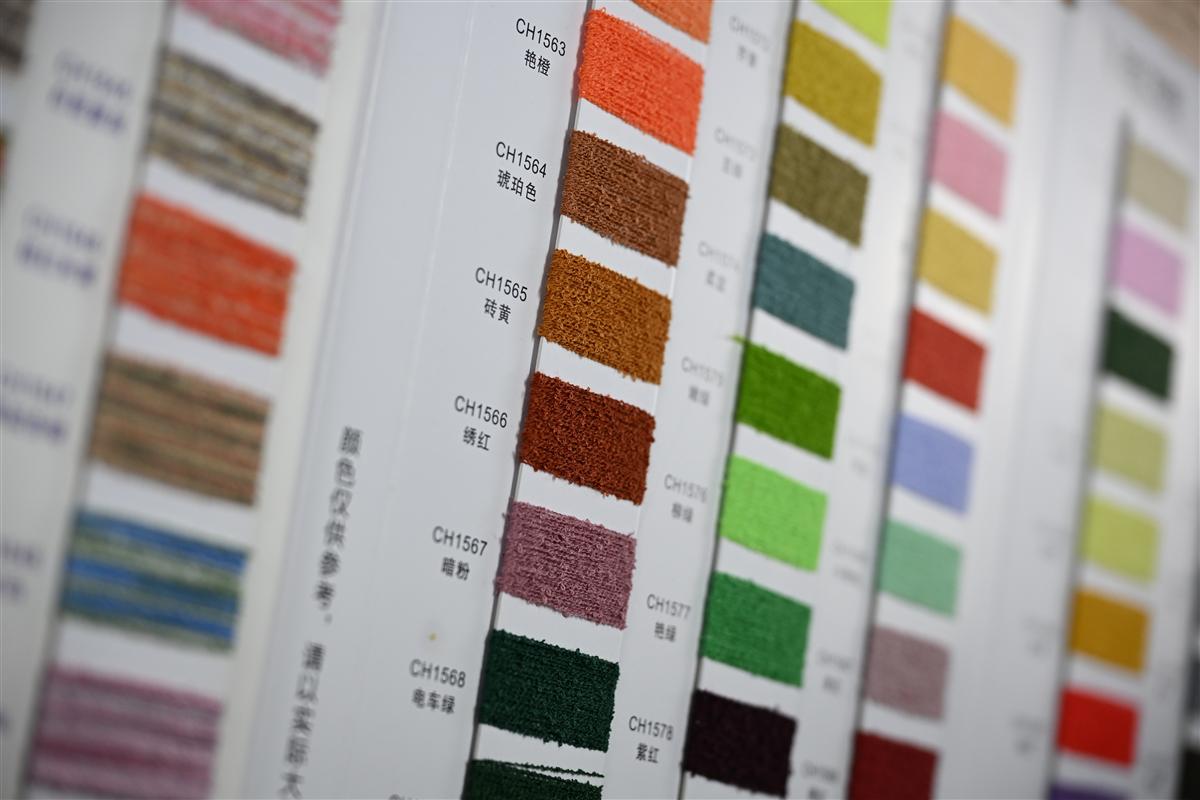
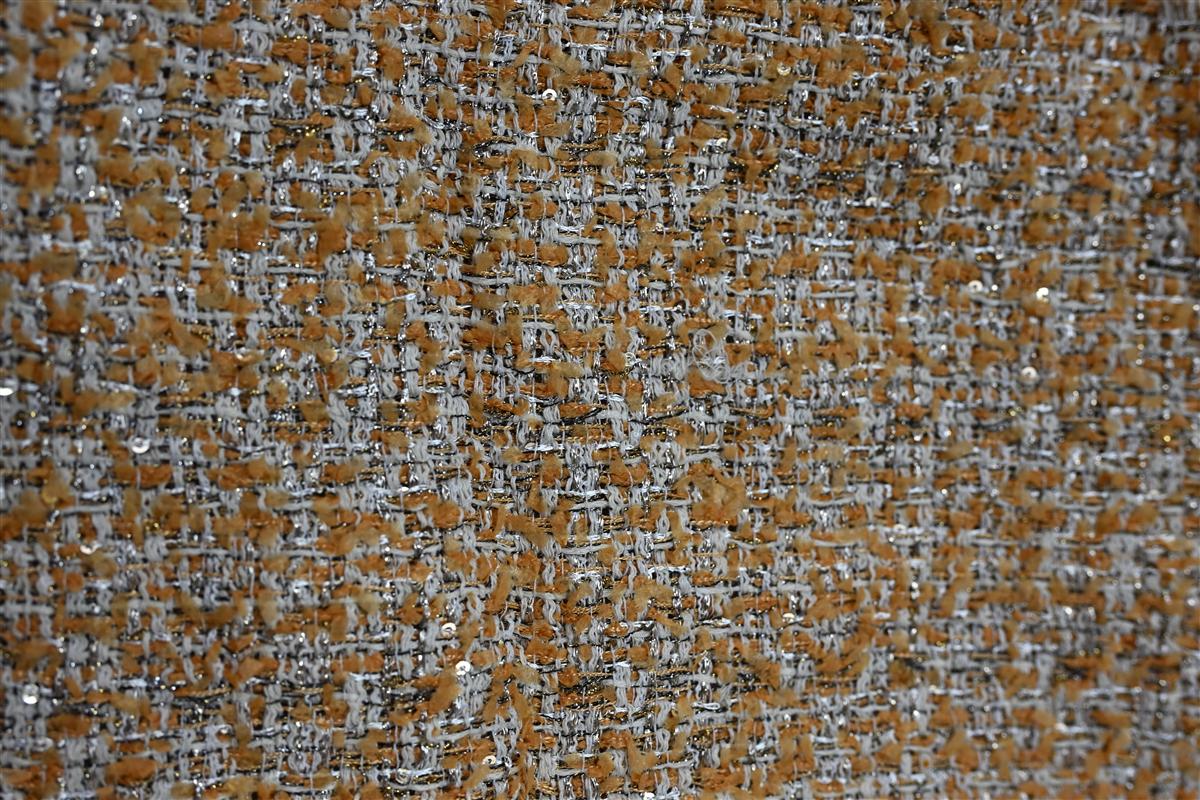
Sourcing Tradeoffs: Cost, MOQ, and Speed
Most first-time buyers discover the MOQ trap after their money is already wired.
Six weeks after sample approval, the container arrives. Your order of 400 meters sits in the studio—and the hand-feel is wrong. The drape is too stiff. The mill insists it’s ‘within quality tolerance,’ but your pattern maker says it won’t hang right on the body. The launch deadline is four weeks away. You have no backup fabric and no budget for a reorder. This scenario plays out every season, and it almost always traces back to one sourcing decision made months earlier: accepting a high MOQ from a mill that treated sample approval as a formality.
European mills set the bar high for a reason—they run large batches for established houses that can absorb the cost of a misstep. The standard MOQ sits high, with sampling lead times stretching to six weeks. At premium European meter prices, a single sampling round ties up substantial capital in fabric alone. For a designer launching a first capsule, that’s a bet-the-business move. One wrong texture choice and the capital is locked in unsellable yardage while your launch window closes.
A ready-stock model flips the risk equation. 100-meter minimums keep the entry cost modest. Seven-day sampling—from swatch request to physical approval—means you validate drape, color, and hand-feel before committing to production yardage. The Wenzhou facility holds stock year-round, yarn-dyed for consistency, and rolled on tubes to prevent creasing. Colorfastness meets industry standards (ISO 105-C06). OEKO-TEX Standard 100 certification is available on custom programs, with GRS-certified recycled blends as a standard option for sustainable collections.
- MOQ: European mills demand large minimums. Ready-stock starts at 100m—test the market before scaling.
- Sampling Speed: European: 4-6 weeks with deposit against full MOQ. Ready-stock: 7 days from swatch request to approval, no obligation.
- Price Per Meter: European tweed lands at premium meter prices. Equivalent texture and hand-feel at a fraction of that from direct-mill stock.
- Entry Risk: Large European order = substantial capital committed. 100m stock order = modest capital at risk.
- Dye Lot Control: European mills document lot numbers rigorously. Smaller suppliers require explicit written specification of AATCC ≥4 tolerance between sample and bulk.
- Certification Access: OEKO-TEX Standard 100 available both channels. GRS-certified recycled blends included as standard option on custom programs.
Sample approval is the trapdoor most first-time buyers fall through. A swatch looks perfect under studio lighting, but the production run comes from a different dye lot—and suddenly your cream bouclé reads yellow against the lining. This is where quality tolerance language in the purchase order matters. Insist on a dyelot-to-dyelot colorfastness spec of ≥4 on the AATCC gray scale, and request a production swatch from the actual batch before cutting. European mills obsessively document lot numbers. Many smaller Asian suppliers skip this step entirely unless you demand it in writing—and by then, the fabric is already cut.
FOB pricing sounds clean on a quote sheet, but it means risk transfers to you the moment the fabric leaves the mill’s dock. Customs brokerage, port handling, and last-mile delivery land on your invoice—not the supplier’s. A fabric order shipped FOB from Wenzhou picks up extra clearance fees before reaching a cutting table in Los Angeles or London. Ask for a landed cost breakdown, not just the ex-mill or FOB price. And if the mill cannot provide a harmonized system code for the fiber composition, walk away. Incorrect HS codes trigger customs holds that eat two weeks and rack up daily storage charges no supplier will reimburse.
Doing nothing costs more than a bad order. The designer who skips sourcing diligence and buys 300 meters from the cheapest trade-platform listing loses weeks—from order placement to the moment they admit the fabric won’t drape. That’s dead fabric, wasted sample labor, and a launch season gone. Meanwhile, a peer who spent three days requesting swatches from a mill with documented AATCC scores and a 100m MOQ is shipping paid orders. For an emerging brand, one missed season equals substantial unrealized wholesale revenue. The swatch request costs nothing. The delay costs everything.
| Factor | European Mill Typical | Fursone Mill | Your Advantage | Key Metric / Proof |
|---|---|---|---|---|
| Landed Fabric Cost | Premium | A fraction of European pricing | Meaningful margin improvement without sacrificing luxury hand-feel | Verified Benchmark: Equivalent quality at lower cost |
| Ready-Stock MOQ | Large (often 1,000m+ minimum) | 100m increments | Launch a capsule without overcommitting cash—ideal for first collections | Stock Depth: 100+ ready-stock textures |
| Custom Development MOQ | 1,500m+ | 1,000m | Test exclusive textures with lower financial exposure | Risk Reduction: Lower initial commitment |
| Sampling Turnaround | 4–6 weeks for a physical swatch | 7 days concept-to-swatch | Iterate faster—outpace competitors in design-to-market cycle | Speed Metric: 7-day rapid sampling guarantee |
| In-Stock Shipping | 2–4 weeks from order | 3–7 days dispatch | No delays. Start cutting and sewing within a week of ordering. | Logistics Edge: Fabric rolled on tubes to prevent creasing |
| Quality & Compliance | Certifications vary; often opaque on traceability | GRS-certified, OEKO-TEX options, AATCC colorfastness ≥4 | Sell with confidence—full eco-traceability and lab-verified durability | Durability Proof: Better Martindale pilling performance (ISO 12945-2) vs typical Asian tweed |
Conclusion
Here’s the decision filter I use when auditing a new supplier’s tweed or bouclé. Ask these three yes/no questions before you approve a single meter. 1. Can the mill supply a picks-per-inch (PPI) spec for the exact lot you’re buying — and does it produce a drape coefficient suited to your silhouette (low for bouclé, higher for structured tweed)? (If they can’t, you’re buying blind on silhouette.) 2. Is the yarn custom-spun with a documented twist-per-meter (TPM) that replicates vintage slouch — not off-the-shelf loop yarn that stiffens after steam pressing? (A no here means the drape will flatten out after the first rack display.) 3. Does the mill have Martindale pilling results (ISO 12945-2) showing a grade 3–4 or better — with pilling clearly below typical Asian-mill tweed? (No test report, no order. Pilling erases the luxury hand-feel you’re paying for.).
If your supplier can’t answer yes to all three, avoid locking in FOB pricing until a pre-production sample proves the drape with your own hands. Browse in-stock bouclé and tweed textures with full technical spec cards to compare behavior before you commit.
Frequently Asked Questions
Are tweed and bouclé the same?
No, tweed is a structured woven fabric from dense wool yarns, while bouclé is a textured fabric made from looped novelty yarns. Tweed offers crisp tailoring, bouclé gives soft drape. Check weave density reports to verify what you’re actually buying.
What fabric matches a bouclé?
Bouclé’s unique looped yarn creates a soft, bouncy drape that’s hard to replicate; lightweight tweed or fancy slub knits come closest in visual texture. No generic substitute mimics its exact three-dimensional hand. Always compare physical swatches to assess hand.
Does Chanel use bouclé or tweed?
Chanel uses a tweed woven from bouclé yarns, known as ‘Chanel-style tweed,’ which blends bouclé’s looped texture with tweed’s structure. This hybrid delivers the house’s iconic nubby hand and soft movement. Specify yarn content and weave when sourcing that exact look.
Is bouclé still in 2026?
Yes, bouclé remains relevant in 2026 for soft tailoring and statement outerwear, driven by comfort-led luxury trends. Its drape meets the demand for fluid silhouettes without sacrificing visual texture. Request current swatch sets to confirm weight and hand.
Is bouclé fabric going out of style?
No, it’s not going out of style; bouclé’s textured drape cycles back regularly in oversized coats and relaxed suiting. Current fashion leans into its soft movement, so demand holds steady. Source early to lock in mill capacity before peak seasons.
Authoritative References

Related Insights
Boucle Knit vs Woven Boucle: Which Construction for Which Garment
Walk into any fabric sourcing meeting about boucle and one question comes up before all...
What Is Metallic Tweed? Yarn Types, Weave Structure, and Care
metallic-tweed-bridal-fabric-case-study/” rel=”noopener”>Metallic tweed fabric merges traditional wool weaving with reflective metal-thread yarns, producing a textile...
Boucle vs Chenille: Texture, Weight, and Cost Differences
The boucle vs chenille fabric question usually surfaces when a designer holds both swatches and...