

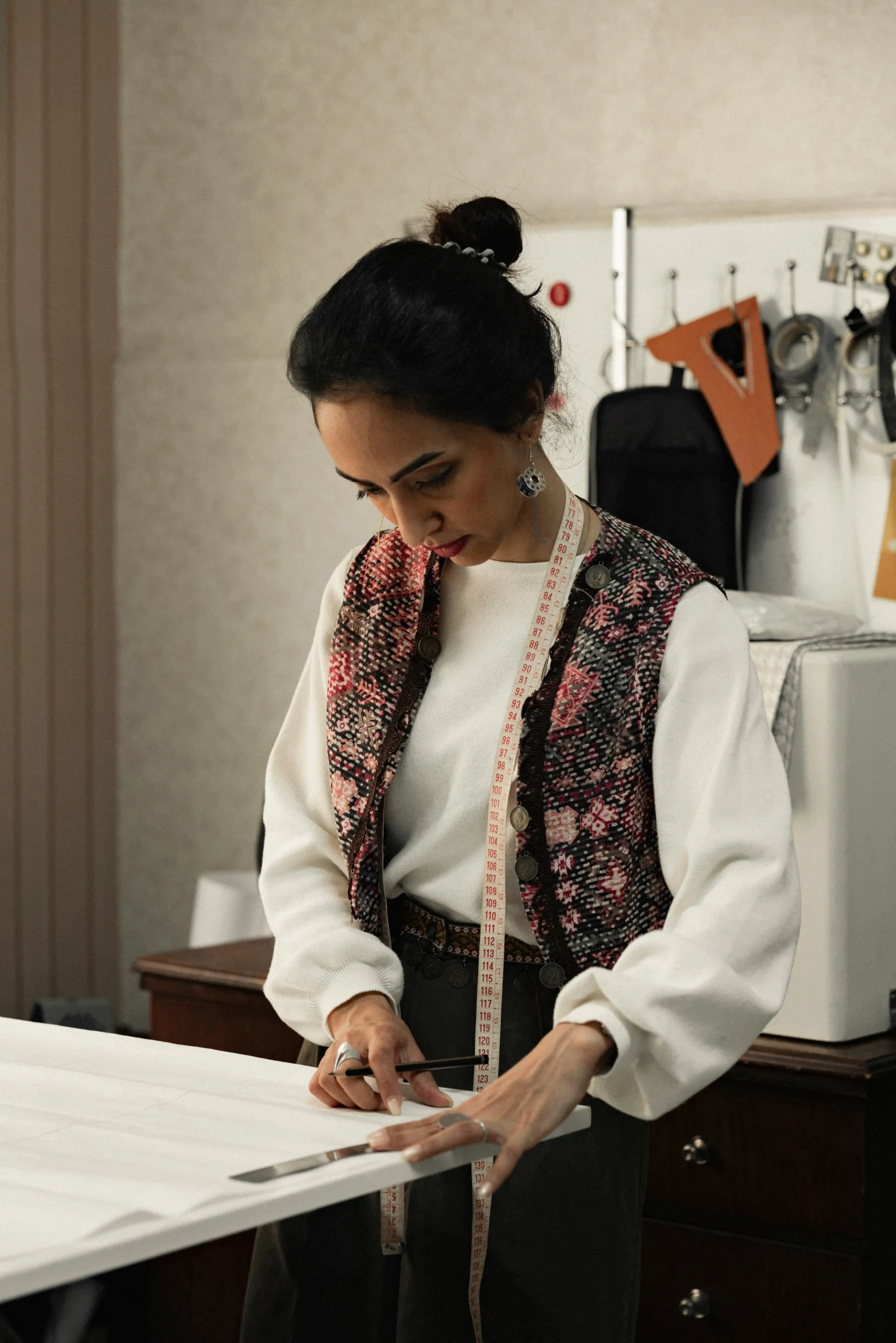
fabric sample testing is the first checkpoint buyers should lock before they approve a supplier, budget, or production slot. A sourcing manager once approved a tweed sample that passed every check — hand-feel, drape, weight, even the burn test for fiber content. The bulk order arrived from a different finishing batch, and the first production run felt like cardboard. That kind of sample-to-bulk mismatch is exactly whyfabric sample testing matters more than the sample itself.
The problem isn’t the swatch — it’s that mills let dye recipes and finishing parameters drift after sample approval. You can lock down the exact quality tolerance in your purchase order by insisting on a sealed pre-production sample and a written finishing route. But most buyers skip that step, assuming the lab dip and the bulk run will match. They don’t. A 10-minute wet-rub test on your swatch can reveal colorfastness issues that won’t show up in a dry inspection, and a quick GSM check against the spec sheet will catch weight substitutions before you cut a single garment.
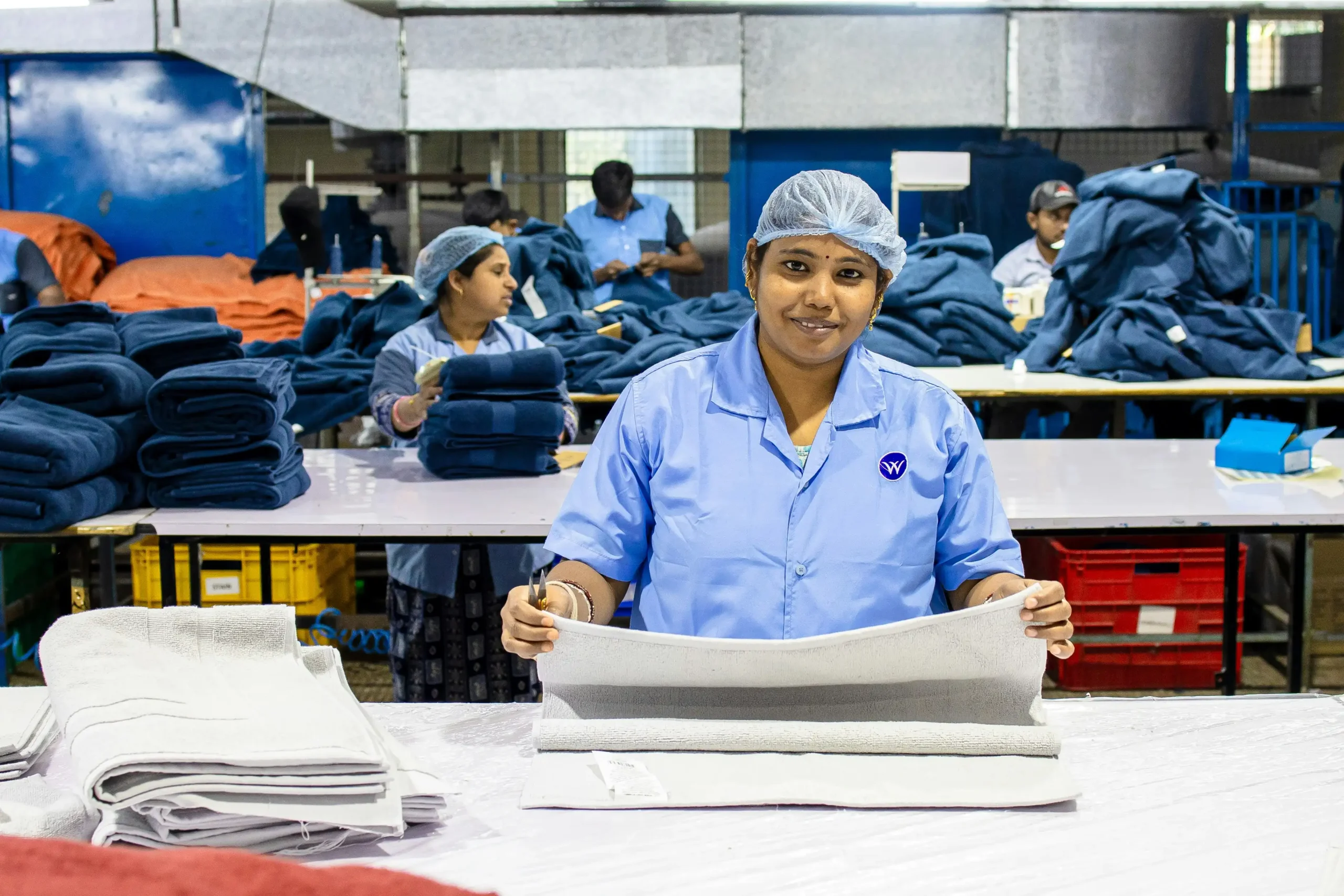
Why Sample Evaluation Is a Non‑Negotiable for Bulk Quality
A swatch that passes the eye test can still fail in bulk production.
You held a 10×10 cm swatch that felt perfect—right hand, right drape, that signature bouclé texture. Three weeks later the bulk roll lands: the colour is a half-shade off, the hand feels boardy, and the slub yarns are barely visible. This isn’t bad luck—it’s what happens when you approve a sample without locking down the production parameters. Every mill runs dye-lot and finishing recipes that drift between sampling and bulk. The fix isn’t trust—it’s a pre-production sample review with a written protocol.
- Dye-lot & finishing drift: The sample was dyed on a lab-scale machine at 60°C with a specific liquor ratio. Bulk runs use production jets at 80°C with different pressure—colour depth shifts. Lock the exact dye recipe and finishing route into your purchase order to prevent mismatch.
- Yarn substitution risk: Custom-spun slub, bouclé, or chenille yarns are expensive—some mills swap them for standard yarns during bulk to cut costs. Compare the sample’s yarn structure under a 10x loupe against the development spec. If the slub frequency changes, reject it.
- GSM weight test: Cut a 10×10 cm piece, weigh it on a precision scale, multiply by 100. Accept ±3% from target spec. For a 400 g/m² bouclé, a 5% miss equals 20 g/m²—enough to alter the hand and cost structure.
- Wet rub colorfastness: Wet a white cloth, rub firmly over a 5 cm area of melange fabric for 10 seconds. Check staining against a grey scale rating. Rating 3 or lower means the dyestuff is not fixed—expect bleeding in production.
- Fiber composition verification: Take a thread, hold a lighter to it. Polyester melts and drips (hard bead); cotton chars and turns to ash. If the sample card says ‘70% recycled polyester’ but the thread burns with a sooty, soft bead, the recycled content is absent.
A proper pre-production sample review—often called a ‘sealed sample’ or ‘golden sample’—must cover three things beyond aesthetics. First, measure the exact GSM (g/m²) using a cutter and scale, not a hand feel. For tweeds, a 5% deviation from spec means the jacket will not drape as designed. Second, perform a 10-minute wet rub test on a melange yarn area. Multi-tonal yarns bleed worst when wet; if the rub cloth shows heavy staining, that colourfastness will fail after two washes. Third, verify eco-claims with a burn test or microscope check. GRS-certified recycled polyester melts differently than virgin—if the sample burns clean and the bead is hard, you’ve likely got virgin, not recycled. No certificate replaces a physical check.
I have seen costly orders scrapped because the finishing route was not specified on the PO—the mill used a softener on the sample but skipped it in bulk, turning a plush tweed into a scratchy board. A pre-production sample review with documented test protocol catches these issues when you still have leverage—before the container leaves the port.
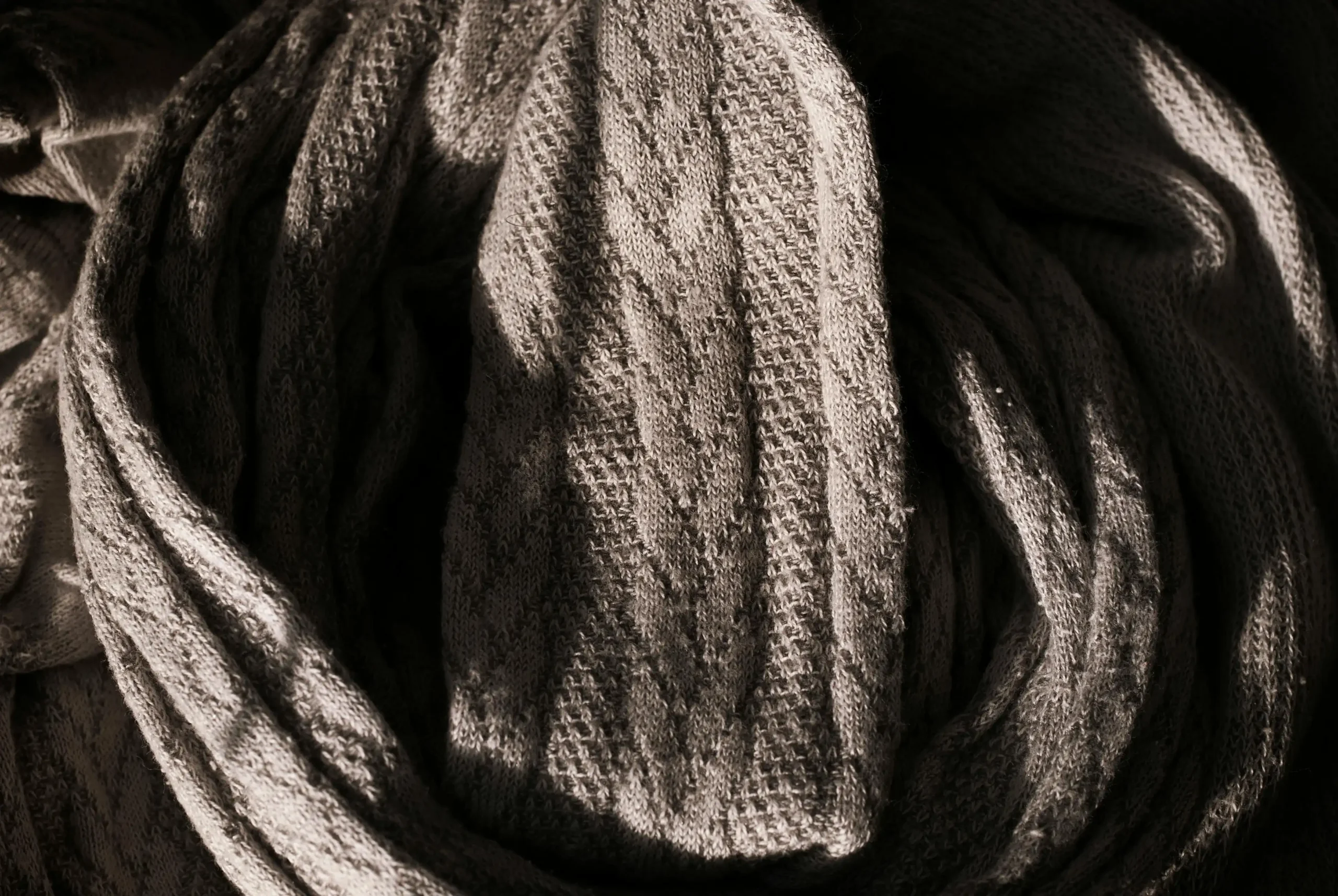
Visual & Tactile Inspection: Hand‑Feel, Weight, and Weave Integrity
A 10-minute wet-rub test reveals the true colorfastness of multi-tonal melange yarns before you ever cut a garment.
Every sourcing manager I’ve dealt with who got burned on a bulk order skipped the tactile due diligence. They approved a swatch that felt right in a meeting room, then received bulk yardage that draped like cardboard. The gap between hand-feel and bulk performance comes down to three measurable factors: drape coefficient, fabric weight (GSM), and weave tension. For bouclé and tweed, the sweet spot for structured jackets is 400–500 GSM with a bounce-back test of under 3 seconds. Anything heavier and the garment stands on its own; anything lighter and it loses the architectural silhouette that sells.
Surface texture is your first fraud detector. Run your palm against the grain. A legitimate Chanel-style tweed should produce a distinct but even roughness — that’s the slub yarns interspersed at precise intervals. If the texture feels uniform or too soft, the mill has likely substituted standard twisted yarns for the custom-spun bouclé or chenille. Compare the sample’s slub frequency and boucle loop height against the original development spec. That spec is your contract. Without it, you’re buying a surprise.
- Drape & Body Test: Hold a 30×30 cm sample over a ruler edge. A proper bouclé for a structured blazer should droop no more than 5 cm overhang. If it bends beyond 10 cm, the fabric lacks the internal crimp needed to hold shape in a tailored garment. This test correlates directly with cover factor — the number of warp and weft ends per inch. Ask the mill for the ends-per-inch count on the spec sheet and verify it against the sample using a pick glass. A discrepancy of more than 5% signals weave inconsistency that will cause seam puckering in bulk production.
- Spotting Yarn Defects: Lay the sample flat under a raking light (60° angle). Look for thick/thin places in the slub pattern — these are not design features; they’re uncontrolled yarn defects. A reputable mill like the Wenzhou facility we run maintains a slub frequency tolerance of ±2 per 10 cm. If you count four gaps in 10 cm where the slub density drops by half, that’s a red flag. Also check for missing warp floats in tweed: a corrected float should be parallel and dense; a defective one looks like a loose hairpin. That indicates loom tension failure that will repeat in mass production.
- Weave Integrity Check:Pull a 5 cm length of yarn from the sample (always from a less visible edge). Measure its diameter with calipers. If the custom-spun slub yarn is supposed to be 1.5 mm at its thickest point and you measure 1.2 mm, the mill has substituted cheaper standard yarn. This is the most common hidden substitution observed in supplier audits. Lock the exact yarn diameter and twist per inch into
One final insider check: take the sample and a production lot the same mill shipped six months ago. Compare them side by side under identical lighting. If the surface luster or the depth of the melange colors has shifted, the dye recipe or finishing route drifted. That drift is what destroys color consistency across shipping batches. You can only catch it by physically comparing two cuts from different lots — and most buyers never do until a jacket panel mismatch kills a collection launch.

DIY Testing Every Designer Can Perform
A 10-minute wet-rub test reveals colorfastness failures no sample card shows.
You’ve approved a stunning multi-tonal melange tweed sample. The 50,000-meter bulk order arrives. First production wash—and the charcoal yarn bleeds into the cream. The entire lot is unsalvageable. That scenario hits sourcing managers every quarter. Two DIY tests—shrinkage and rub fastness—catch these failures before you sign a P.O. They take less than an hour and require only a fabric cutter, a tape measure, a white cloth, and warm water.
Start with the shrinkage test. Cut a 30 cm × 30 cm swatch from your fabric sample. Mark the warp and weft directions. Measure and record the exact dimensions. Submerge the swatch in warm water (40°C) for 15 minutes—simulating a standard home or commercial wash. Remove, blot dry with a towel, and lay flat to air dry. Remeasure. Industry quality tolerance for woven tweed and bouclé is ±3% shrinkage in both directions. If the swatch shrinks more than 3%, reject the bulk unless your garment pattern can accommodate that rate. A bouclé knit that shrinks 5% will cause visible pucker at seams and misshape your silhouette.
- Marker for tracking: Use a permanent marker to note warp/weft on the swatch edge before washing.
- Tolerance pass: Less than 3% shrinkage in warp and weft for most structured fabrics. Accept up to 5% for open knits if pattern allows.
- First-wash trap: Some mills apply temporary anti-shrink finish on the sample but omit it in bulk. Always request a duplicate swatch that has been production-finished, not a lab sample.
Now the wet-rub colorfastness test—especially critical for multi-tonal melange yarns where multiple colors are twisted together. Take a 10 cm × 10 cm piece of the fabric. Dampen it with warm water (not soaking). Press a plain white cotton cloth (a white T-shirt scrap works) firmly against the damp fabric and rub vigorously back and forth ten times across the same spot. Check the white cloth. If any color transfers onto the white fabric, the dye is unstable. That means reds, blues, or dark tones will migrate onto adjacent garments or trims in the finished product. Most European buyers require a rating of 4–5 on the grey scale for wet crocking. This test gives you a read in 10 minutes, not the two weeks a lab sends back.
One insider warning: dry rub tests only tell half the story. A tweed sample that passes a dry rub may fail a wet rub because moisture activates dispersive dyes. I’ve seen a $50,000 order of bouclé blazers rejected at final inspection because the melange colors bled under light rain exposure. The wet-rub test catches that exact failure mode. Always run both wet and dry, but put your trust in the wet result. Document each test with a photo—keep it as part of your pre-bulk order fabric inspection checklist. It’s a simple piece of evidence that overrides any supplier assertion that ‘the color will be fine in production.”.
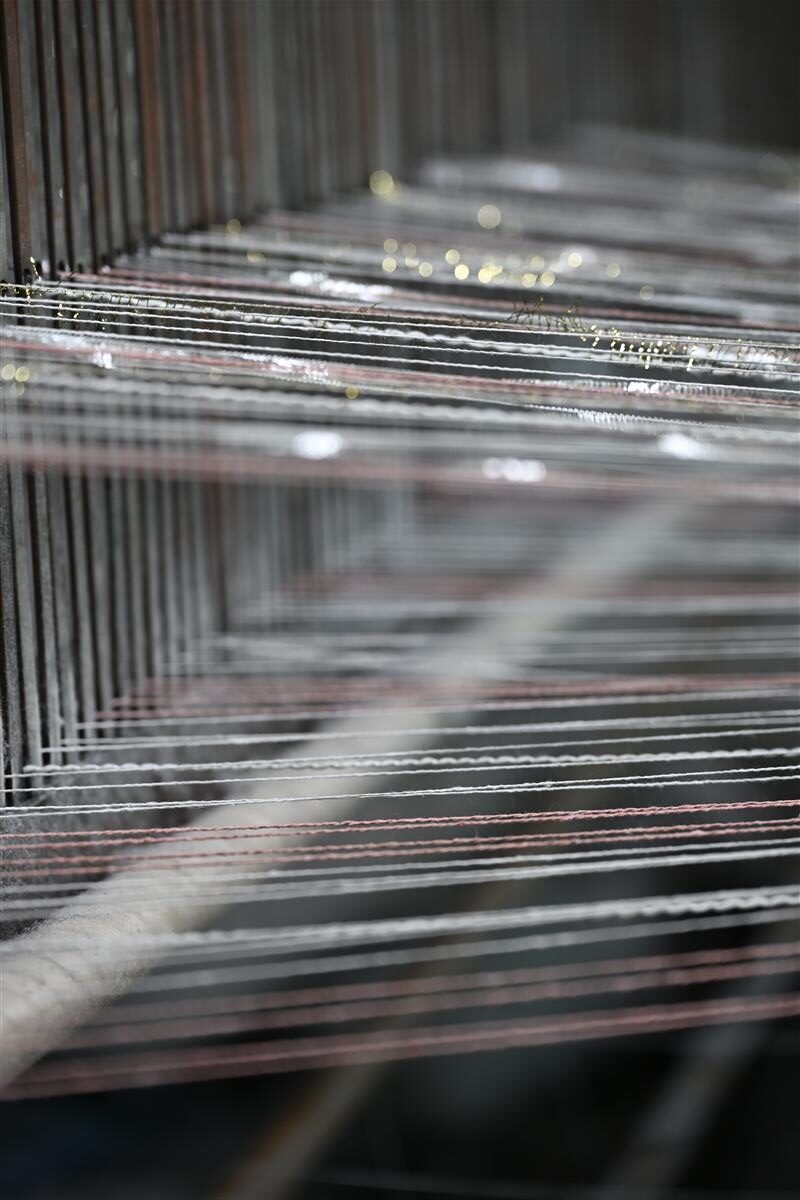

Professional Lab Testing & Certification Verification
A beautiful swatch proves nothing until lab data confirms it can survive your production line.
I have watched buyers approve a hand-loomed bouclé swatch on hand-feel alone, only to have the bulk shipment come back with a GSM 20% lighter and seam slippage that pulls apart under a 10 kg load. The gap between a sample and a production run is almost always caused by dye‑lot drift and finishing parameter changes—the mill adjusts the final cure time or tension to save cost, and your fabric loses its dimensional stability. Locking the exact dye recipe, finishing route, and quality tolerance into your purchase order is the only way to prevent that mismatch.
- GSM (Grams per Square Metre): Measure a 10 cm × 10 cm cut with a calibrated scale. For a Chanel-style tweed at 400 g/m², a ±5% tolerance is standard. Any deviation larger means the mill substituted a different weft yarn or altered the weave density.
- Tensile Strength: Use a grab test (ASTM D5034) on both warp and weft. If the sample breaks at 250 N but the bulk order spec calls for 300 N, your garment will fail at stress points like shoulders and elbows. Insist on a minimum 280 N for medium-weight tweeds.
- Seam Slippage:A 6 mm seam opening under a 15 kg load is the red line for woven bouclé. Above that, the yarns slide apart after three wears. One documented case shows a luxury brand lost a full collection because the seam slippage on the bulk run was 8 mm—the mill had switched to a cheaper interlining.
- Pilling Rating: Run a Martindale test (ISO 12945-2) to 2000 cycles. A rating of 3 or lower on a 5-point scale guarantees pilling will show within the first wash. Custom-spun yarns with longer fibers resist pilling better than standard cut-spun yarns; verify the slub structure matches your development spec.
Now about the certifications. A supplier waving an OEKO‑TEX certificate for a tweed that contains metallic threads? Check the scope—it often excludes metal components. For GRS, do not rely on the sample card’s fiber label. Take a small cut of the fabric, burn it with a lighter: recycled polyester will melt into a hard bead, while virgin polyester produces more soot and a stronger flame. Alternatively, use a 100× jeweler’s loupe to verify the fiber cross-section. Recycled fibers tend to show irregular, slightly flattened shapes under magnification. Combine that with a wet‑rub test—rub a damp white cloth across the sample for 10 minutes. If the multi-tonal melange yarns bleed onto the cloth, that dyelot has not been properly fixed, and the GRS claim on the certificate is meaningless because the finish won’t hold through production.
The cost of skipping lab verification on a bulk order can be severe—wasted fabric, re-cut labor, and missed delivery penalties add up fast. A single pre-production test at a third-party lab is a fraction of that cost. The math is simple: test first, or pay many times more later.
Conclusion
The difference between a sample that holds up in production and one that costs you a costly chargeback often comes down to a single wet-rub test you can run in ten minutes. Locking the dye recipe, finishing route, and yarn spec into your purchase order eliminates the drift that sinks bulk runs. At Fursone, every custom order ships with a documented finishing route and sealed sample protocol. For knit fabrics, the same principles apply with tighter shrinkage tolerances. Industry benchmark: target a pilling resistance of Grade 4 or higher (Martindale) and a shrinkage rate under 3% in both warp and weft for woven tweeds and knits. These numbers give you a concrete threshold to write into your supplier quality agreement.
Frequently Asked Questions
How do I test fabric colorfastness at home?
Perform a wet-rub test by rubbing a damp white cloth on the sample to check dye transfer, and expose a swatch to direct sunlight for 48 hours to evaluate fading. These two quick. Always test both wet and light before approving bulk.
What lab tests should I request before bulk production?
Request GSM, tensile strength, seam slippage, and pilling ratings from a certified textile lab. These metrics directly predict how the fabric will perform in garment construction and end-use wear. Ask your supplier for their latest reports on these four metrics.
How can I know if a sample matches bulk quality?
Confirm the sample was made on the exact same production line and yarn dye lot as the bulk order. Bulk runs can vary 5–10% in shade and weight, so always request a pre-production. Never approve a lab-dip or hand-loom mock-up as final.
What does GRS certification actually guarantee?
GRS certifies traceable recycled content and environmental compliance in the supply chain, not fabric quality or color consistency. You still need to run your own physical tests on shrinkage, pilling, and colorfastness. Verify the certificate number against the certifying body’s database.
For a step-by-step guide: How to Source Fabric from China for Small Brands. Need samples first? Request free fabric swatches.

Related Insights

Color Approval Without Surprises: Lab Dips, Loom State and the Light Booth
Color is the most common reason a tweed bulk run disappoints. Not because mills cannot...

Fulling and Finishing: The Mill Steps That Change Tweed’s Hand Feel
Two tweeds can leave the loom with identical yarn, identical weave and identical weight, and...

Garment Dyeing vs Piece Dyeing: Cost, Color Control and When Each Wins
Garment dyeing, dyeing the finished garment instead of the fabric roll, has quietly become a...