The boucle vs chenille fabric question usually surfaces when a designer holds both swatches and still cannot name the difference. Both read as soft, textured, premium. Both appear in Chanel-style jackets, cardigans, and coated knits. The confusion is expensive, because the two fabrics are built from different yarns, behave differently under a sewing needle, and land at different price points once you scale to bulk.
At our Wenzhou mill we spin and stock both yarn families, so the comparison is not academic. Boucle is a looped yarn that traps air and builds visual bulk without stiffness. Chenille is a cut-pile yarn with a velvet-like fuzz. One holds a tailored silhouette; the other drapes like plush. This guide gives you the yarn-level facts, the weight bands that survive production, and the sourcing numbers you can put in a spec sheet today.
Key takeaways
- Boucle is a looped yarn; chenille is a cut-pile yarn with a fuzzy, velvet-like surface.
- A lined boucle jacket needs 380-450 g/m²; below 330 g/m² shoulder seams pucker, above 520 g/m² armholes crackle.
- Boucle loops snag more easily; chenille pile crushes and flattens with wear.
- Boucle production costs more than plain knits because specialized looms and higher yarn waste are involved.
- Ready-stock boucle and chenille ship in 3-7 days at a 100m tier; custom runs start at 1,000m.
What Boucle and Chenille Are at the Yarn Level
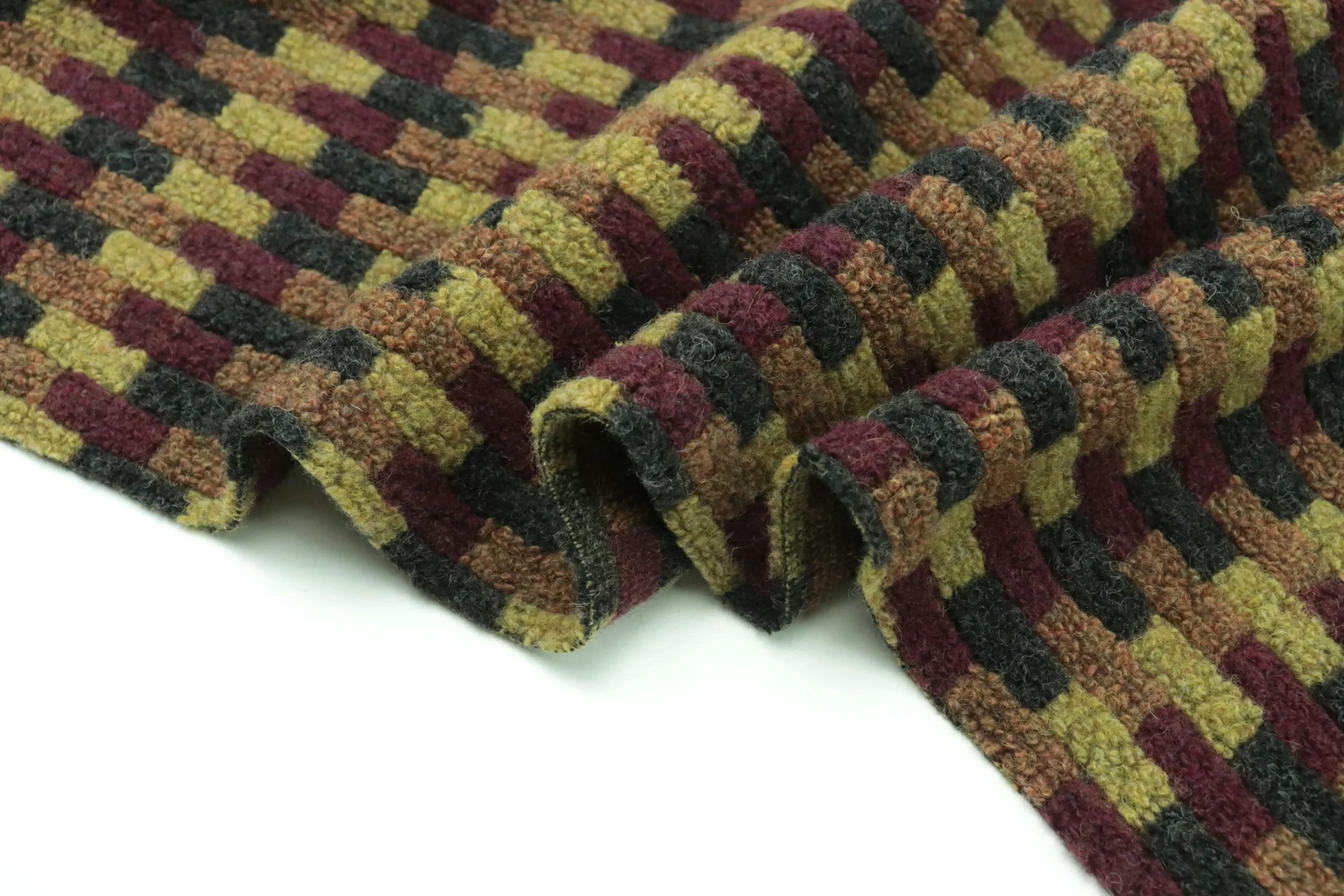
Boucle comes from the French word for curled. A boucle yarn is spun with loops of one or more plies standing off a base thread, and those loops become the fabric’s signature nubby surface. The loop structure is why boucle jackets have that dimensional, almost quilted look: each loop catches light from a slightly different angle. Chenille comes from the French word for caterpillar. A chenille yarn is made by cutting short lengths of pile yarn and twisting them into a core, which produces the soft, fuzzy, velvet-like surface you feel on premium throws and cardigans.
The construction difference drives everything downstream. Boucle yarns are engineered at the spinning stage with twist and loop height, which is why a mill that spins its own yarns can control texture and exclusivity. Fursone custom-spins proprietary boucle, slub, and chenille yarns in-house, and holds more than 200 pre-dyed colorways in its yarn bank. Buyers who source from a mill that only buys open-market yarns risk seeing their texture sold to a competitor next season.
Texture and Hand: Loops vs Fuzzy Pile
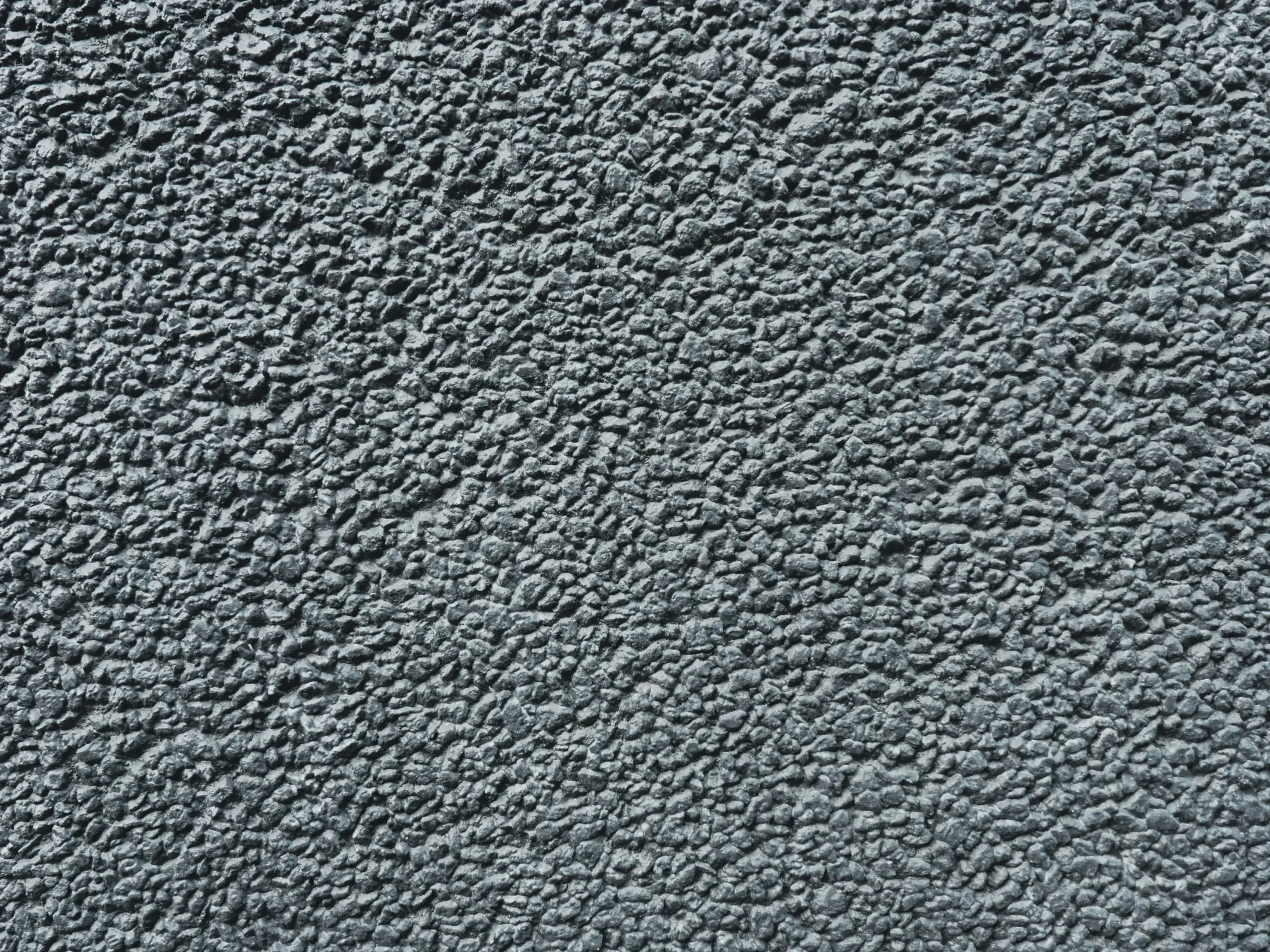
Hold a boucle swatch next to a chenille swatch and the difference is immediate. Boucle feels bumpy and dry; the loops give it body and a slightly crisp hand. Chenille feels plush and warm, like brushed velvet, because the cut pile stands up off the yarn core. That plushness makes chenille seductive in the hand, but it also means the pile can crush, flatten, and shade differently after pressing or repeated wear.
For tailored garments the texture trade-off is structural, not cosmetic. Boucle loops trap air, which creates visual bulk without real stiffness. A designer who specs boucle by hand feel alone can end up with a jacket that looks heavy but lacks the body to hold a lapel. That is why weight data matters more than the surface. Chenille, by contrast, reads soft immediately but offers little of the engineered structure that a Chanel-style jacket needs at the shoulder.
Weight and Structure: GSM Bands That Matter
Weight is the objective filter when boucle and chenille look similar on a table. Our production data on lined jackets is specific: boucle below 330 g/m² puckers at the shoulder seam, boucle above 520 g/m² crackles at the armhole unless you add seam tape, and the proven window for a lined Chanel-style boucle jacket is 380-450 g/m². Stock tweed for structured jackets typically sits at 320-360 g/m², while winter coats move into the 450-600 g/m² range.
Chenille does not have a single universal weight band, because the pile can be knitted or woven onto bases from light jersey to heavy coating. Ask for the exact GSM in writing and tie it to the garment: a chenille cardigan at 280 g/m² behaves completely differently from a chenille coat at 480 g/m². If a supplier quotes “medium weight” without a number, treat that as a red flag and request the technical data sheet before ordering swatches.
| Property | Boucle | Chenille |
|---|---|---|
| Yarn structure | Looped plies on a base thread | Short cut pile twisted into a core |
| Surface | Nubby, dimensional, dry | Fuzzy, plush, velvet-like |
| Jacket weight guide | 380-450 g/m² lined; under 330 g/m² puckers | Confirm GSM per garment; pile adds visual bulk |
| Hand feel | Body and structure, slight crispness | Soft and warm, low structure |
| Failure mode | Snags on loops; seam puckering at low GSM | Pile crush, flattening, shading |
| Best for | Chanel-style jackets, structured coats | Cardigans, soft jackets, throws, trims |
| Sourcing tier | 100m stock 3-7 days; custom from 1,000m | Same tiers at Fursone, melange tweed blends |

Durability and Care: Snagging and Pilling
Durability is where boucle and chenille diverge most for garment factories. Boucle loops stand proud of the ground weave, which makes them vulnerable to snagging on jewelry, bag hardware, and warehouse shelving. The fix is engineering, not caution labels: tighter yarn twist, a balanced synthetic core, and pilling testing at the mill. Chemical safety runs through OEKO-TEX Standard 100 testing, which covers more than 300 regulated and unregulated substances. Fursone produces Chanel-style boucle to ISO grade 3-4 pilling resistance, which is the level that survives retail handling and repeated wear.
Chenille’s failure mode is different. The cut pile crushes under pressure, so elbows, seat areas, and storage folds can flatten permanently and change shade where light hits the nap. Chenille also sheds loose pile fibers early in its life. For high-turnover wholesale lines, ask the mill for Martindale abrasion data and a pilling rating on the actual construction you plan to buy, not on a similar sample from a different base fabric.
Cost and Sourcing: Where the Price Difference Comes From
Cost differences between boucle and chenille come from production mechanics, not materials alone. Boucle runs on specialized looms and generates more yarn waste during weaving, which pushes its production cost above plainer constructions. A mill that spins its own boucle yarns can still keep the per-meter premium contained, because it controls twist, loop height, and dyeing in one facility instead of paying a yarn trader’s margin.
The sourcing model matters more than the fabric choice. At Fursone, ready-stock boucle and chenille ship in 3-7 days at a 100-meter tier with no minimum-volume penalty, and custom development starts at 1,000 meters with 7-day sampling. That mix lets a brand validate a texture on stock rolls before committing a full warp to a proprietary colorway. European mills quote the same fabrics at roughly three times the factory-direct price, which is why sampling through a Wenzhou mill first is the standard cost-control move.
Need a textured fabric that survives production? Our Chanel-style boucle starts at 100m ready stock, and custom colors start at 1,000m with 7-day sampling.
Boucle or Chenille: Which Fits Which Garment
Pick boucle when the garment needs shape retention: Chanel-style jackets, structured coats, and anything with a tailored shoulder. The loops give you the luxury texture, and a 380-450 g/m² boucle holds the silhouette through production pressing and a full retail season. Fursone’s Chanel-style tweed line is built around exactly this weight logic, with ISO grade 3-4 pilling resistance as the floor.
Pick chenille when softness is the product: cardigans, relaxed jackets, loungewear, throws, and decorative trims. A chenille knit reads plush from across the room and photographs warm, which makes it a strong choice for fashion sweater programs. The trade-off is honest: less structure, pile that needs gentle care, and pressing methods that preserve the nap. For sweater-knit programs, Fursone’s fashion sweater knit range covers both chenille and boucle constructions from the same 100m stock model.
For blended programs, chenille tweed melange fabrics split the difference: chenille pile yarns woven into a tweed base give softness plus the flecked, heathered look that boucle alone does not produce. Wholesalers running mixed SKU lines often carry both, with boucle on jackets and chenille on knitwear, because the two fabrics serve different retail price points without competing.
Sourcing Checklist for Both Fabrics
- Request exact GSM in writing for the final construction; reject “medium weight” quotes.
- Confirm pilling grade (ISO 3-4 minimum for retail jackets) and Martindale data on the actual base.
- Ask whether boucle loops and chenille pile are spun in-house; in-house spinning protects texture exclusivity.
- Verify the dye path: yarn-dyed flecked effects are mandatory for the heathered look; piece-dyed reads flat.
- Confirm the tier you need: 100m ready stock for validation, 1,000m custom for proprietary colorways.
- Test snag risk on the finished garment, not the swatch: zippers and hardware change the answer.
The fabric choice between boucle and chenille is a garment decision first and a cost decision second. Boucle earns its place in tailored outerwear with structure and a proven 380-450 g/m² window. Chenille earns its place in soft knitwear with plush hand and a production profile that rewards gentle care. Both ship from the same stock model at Fursone, so the real test is what your pattern needs, not what the swatch promises.
Frequently Asked Questions
Is boucle or chenille softer?
Chenille is softer on the surface because its cut pile stands off the yarn core. Boucle has more body and structure, which is why it suits tailored jackets while chenille suits plush knitwear.
Which fabric pills more, boucle or chenille?
Both can surface fuzz, but in different places. Boucle loop ends fuzz with abrasion, so spec ISO grade 3-4 pilling. Chenille sheds loose pile early and can crush flat, which is a care issue rather than a pilling issue.
Can chenille be used for a Chanel-style jacket?
Yes, in chenille tweed melange blends, but the jacket needs enough structure to hold the shoulder. Boucle at 380-450 g/m² is the proven construction for lined Chanel-style jackets.
What GSM should boucle fabric be for a jacket?
380-450 g/m² for a lined jacket. Below 330 g/m² the shoulder seam puckers, and above 520 g/m² the armhole crackles unless you add seam tape.
Do boucle and chenille cost the same to produce?
No. Boucle runs on specialized looms with higher yarn waste, which raises production cost. Factory-direct sourcing from Wenzhou keeps both at roughly one-third of European mill pricing.
Conclusion
Boucle and chenille are not interchangeable substitutes; they are two different yarn engineering choices that happen to share the premium shelf. Boucle gives you structure, snag risk, and a proven 380-450 g/m² jacket window. Chenille gives you plush softness, pile-crush risk, and a better fit for cardigans and relaxed knits.
- Match the yarn to the garment: boucle for tailored outerwear, chenille for soft knitwear.
- Demand GSM, pilling grade, and abrasion data on the actual construction, never on a similar sample.
- Validate on 100m ready stock in 3-7 days before committing to a 1,000m custom run.
If you need help translating either texture into a production-ready spec, send your garment sketch and target GSM to our sourcing team, and we will return sample options within the 7-day window.

Related Insights
Boucle Knit vs Woven Boucle: Which Construction for Which Garment
Walk into any fabric sourcing meeting about boucle and one question comes up before all...
What Is Metallic Tweed? Yarn Types, Weave Structure, and Care
Metallic tweed fabric merges traditional wool weaving with reflective metal-thread yarns, producing a textile that...
Boucle Fabric Price Per Meter: 3 Hidden Cost Factors
A $50,000 order can fall apart when the boucle fabric price per meter looks acceptable...