
GOTS, GRS and RCS sit side by side on supplier letterheads and inside buyer checklists, and they get confused constantly because all three certify “something sustainable.” They certify different things: GOTS certifies organic fiber through processing into fabric, GRS certifies recycled content with strict chain-of-custody, RCS certifies recycled content with lighter tracking. Picking the wrong one wastes audit fees at best and puts an unsupported claim on the hangtag at worst. This guide is a decision tool: three schemes, one page, with the differences that change buying decisions, and the program-level view on our sustainable and certified fabrics page.
The cleanest mental model: start from the claim your garment needs. “Organic” points to GOTS, whose production criteria from farm to fabric are described on the official Global Organic Textile Standard site. “Recycled” points to GRS or RCS, both owned by Textile Exchange, whose chain-of-custody mechanics we covered when explaining how GRS-certified yarn spinning works.
The one-line version of each scheme
GOTS: the fiber is certified organic, and at least 70 percent organic content is required for label-grade certification, with environmental and social criteria through processing. GRS: the product contains verified recycled content, with a 50 percent threshold for the full GRS label, plus chemical and social requirements. RCS: recycled content verified from 5 percent upward with content tracking only, no processing criteria. The practical consequence: GRS is the claim-grade standard for a “made with recycled” hangtag; RCS proves content for B2B communication where a consumer-facing label is not needed.
| Dimension | GOTS | GRS | RCS |
|---|---|---|---|
| Fiber base | Certified organic | Recycled | Recycled |
| Content threshold | 70%+ organic for label grade | 50%+ for GRS label | 5%+ recycled content |
| Processing criteria | Environmental + social | Chemical + social requirements | None (content only) |
| Consumer label | Yes, grade-based | Yes | No (B2B use) |
| Typical use | Organic cotton programs | Recycled hangtag claims | Supply chain content proof |
How to decide in four questions
Question one: is the claim organic or recycled? They are different fibers and different schemes; a fabric cannot be both, and blended stories need two certificates covering the two components. Question two: does the consumer see the claim? A hangtag or on-pack claim pushes you to GOTS or GRS; an internal sourcing target can live with RCS. Question three: which threshold does your composition clear? Below 50 percent recycled content, GRS is unavailable and RCS is the honest ceiling. Question four: does your retail customer name a scheme? Many vendor manuals do, and their choice overrides your preference. These four questions settle about nine of ten scheme decisions we see at the sampling stage.
Certificate paperwork: what travels with the order
Whichever scheme applies, the proof is documentary: a scope certificate for the facility and transaction certificates for the volumes sold, referenced on your order documents. The verification habits are the same ones described in our GRS certificate validity guide: check dates, check that the certified entity name matches your supplier, and match the certificate’s article scope to the fabric you are buying. For programs maintaining a certified line season over season, our sustainable line maintenance guide covers the renewal calendar and the claims-review cadence that keeps hangtags accurate.
Common mixing mistakes at the buying table
Three recurring errors. First, treating RCS as a consumer label: it is not designed for hangtag claims, and brands that print it as one walk into retailer audits unarmed. Second, assuming GOTS covers any “natural” fiber: it covers certified organic fiber, so conventional wool or linen cannot ride an organic claim. Third, stacking schemes on one garment in contradictory ways, such as a GOTS label plus a recycled claim on the same panel, which double-counts the same grams of fiber. Our sustainable fabric line guide walks the program-level structure that avoids these collisions.
Video: our sustainable program journey
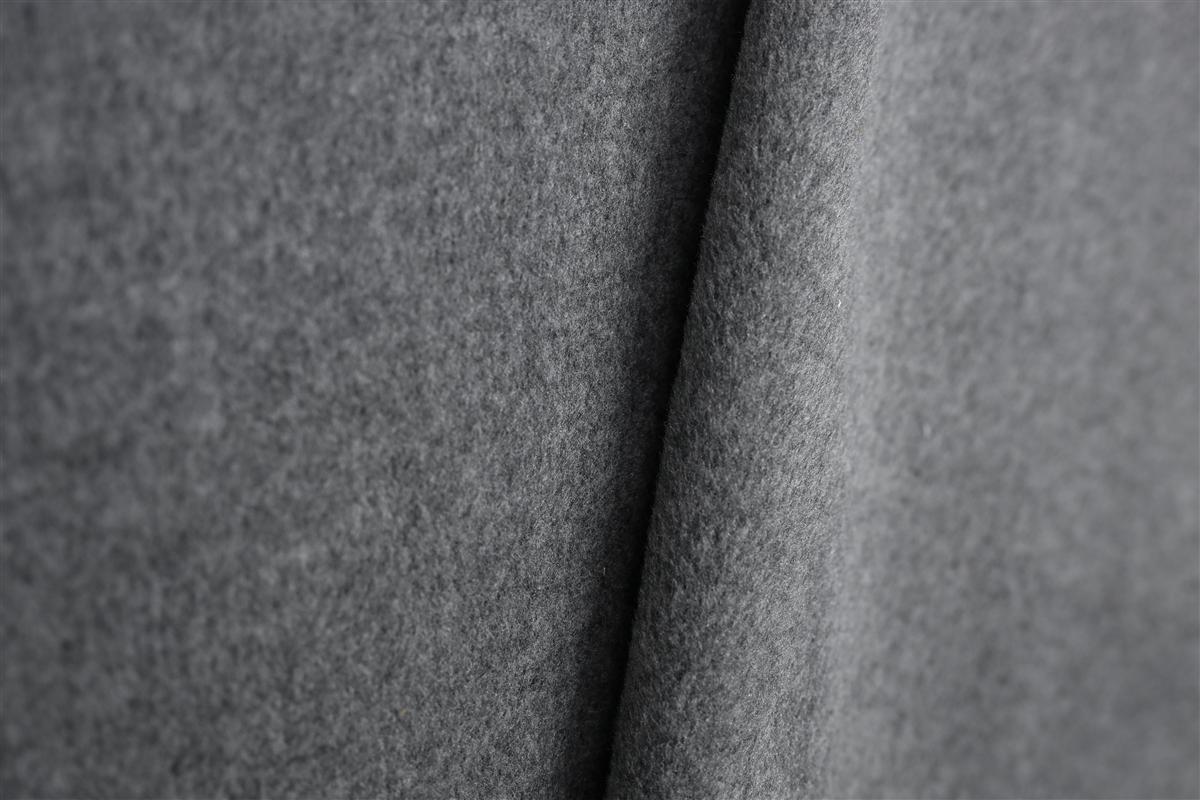
The video follows certified fiber from source to finished fabric, the physical chain the three schemes document on paper.
Frequently asked questions
Can one fabric have both GOTS and GRS?
In principle, if components are separately certified and the content claim is precise, but most programs pick one headline claim. Double-certifying one garment invites audit questions about double-counting.
Is RCS enough for a hangtag?
No. RCS is a content-tracking standard for business communication; consumer-facing recycled claims should sit on GRS-certified product.
Which scheme do European retailers ask for?
It depends on the claim: organic cotton programs name GOTS; recycled polyester and wool programs name GRS. Follow the customer’s vendor manual when it names one.
What does certification cost a buyer?
Mills carry the certification cost and price it into the fabric; buyers pay in lead time for certified inputs and in discipline for claims wording, not usually in separate fees.

Related Insights

Fiber Content Labels for Tweed and Knit: Reading Composition Percentages Right
A composition label is a legal document, a marketing claim and a care instruction all...
Fabric Waste in Cutting: How Much Your Collection Throws Away
Every collection throws away fabric twice: once in the cutting room, where markers never fit...

Lyocell Knit Blends: Sourcing, Blend Ratios and Verification for Buyers
Lyocell has moved from a niche fiber to a standard line item on knit buyers’...