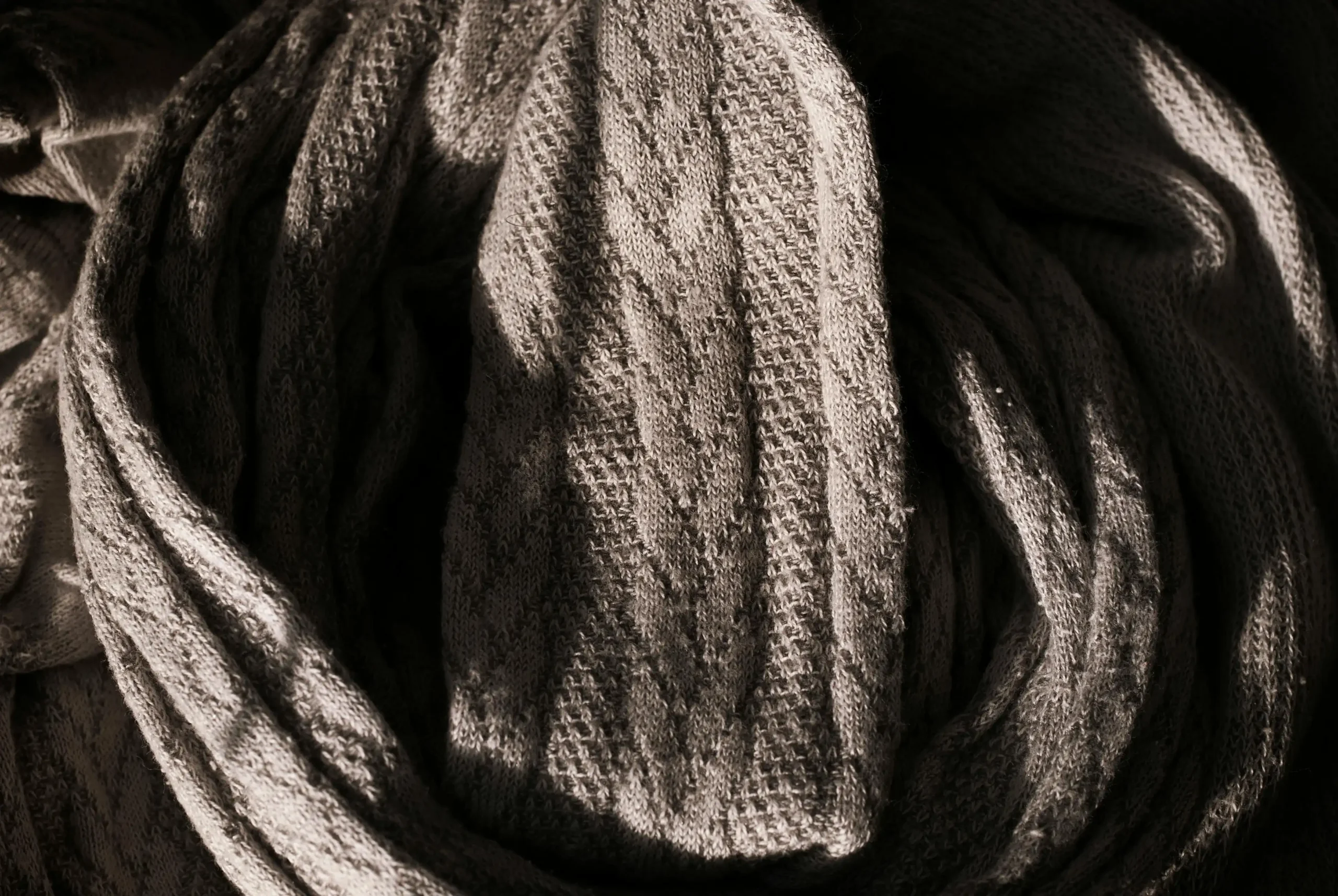
Heritage cable knits come back every season for a simple reason: they sell. Not because of nostalgia or trend cycles, but because the texture reads as quality before a customer even touches the fabric. For an emerging designer, that visual shortcut is worth a lot. You don’t have the brand equity yet to convince buyers your knitwear is premium. The cable structure does that work for you. So the real question isn’t whether to use them, but how to get your hands on them without waiting eight weeks for a custom run or committing to a 500-meter minimum.
Stock fabric is the obvious answer, but most suppliers treat stock as an afterthought. They list a few greige rolls and call it a day. A proper stock program for heritage cable knits means holding finished-dyed yardage in the staple colors, ready to ship in 100-meter cuts. That lets you sample three colorways for the cost of one custom strike-off. More importantly, it buys you speed. If you’re building a fall collection on a six-week timeline, waiting on a mill to spin and dye a custom cable knit is a non-starter. Stock fabric with the right hand feel and stitch definition gets you to a prototype in days, not months.
Heritage Knits Overview
Heritage cable knits are not just a texture—they are a supply chain decision. Stock vs. bespoke determines your speed-to-market and cash exposure.
What Defines a Heritage Cable Knit Fabric?
Heritage cable knits derive their structure from traditional sail- and Aran-era cabling techniques. The defining characteristic is the raised, interlocking pattern created by crossing stitches over each other during knitting. Unlike flat knits or jerseys, these fabrics have a pronounced three-dimensional surface that adds visual weight and thermal insulation.
The weight range typically falls between midweight (approx. 300–400 gsm) and chunky (500+ gsm). For a designer planning a Fall collection, midweight cables work for structured cardigans and layering pieces, while chunky variants suit standalone outerwear. The density directly affects drape and production cost—heavier fabrics consume more yarn and machine time, but command higher retail margins.
Stock vs. Bespoke: The Real Buyer Decision
For an emerging designer, the primary tension is between speed and exclusivity. Stock textures eliminate lead-time risk. With ready stock of heritage cable knits in inventory, shipping occurs within 3–7 days. That means you can secure fabric for a capsule collection and begin sampling garments in under two weeks—no minimum order anxiety, no waiting for yarn procurement.
Bespoke textures, by contrast, require a 1000M MOQ per texture. The trade-off is clear: you gain proprietary patterns and exclusive colorways, but you commit to a larger volume upfront. The contrarian insight here is that stock textures paired with a single bespoke accent yarn often outperform a fully custom approach for first collections. You preserve the artisan look while keeping cash exposure low.
The Sampling Reality: 7 Days From Concept to Swatch
Standard industry sampling cycles for custom knit textures run 14–21 days, sometimes longer if yarn needs to be spun to order. The 7-day rapid sampling cycle compresses that timeline by front-loading yarn inventory and dedicating machine capacity to sample runs. For a designer working toward a trade show or seasonal deadline, this difference can determine whether a collection launches on schedule or misses the window.
A practical note: rapid sampling works best when the base yarn weight and fiber composition are already in stock. If you request a custom blend (e.g., a specific wool-nylon ratio), expect the timeline to extend. The 7-day promise applies to textures within the standard midweight-to-chunky range using available yarn stocks.
Cost Reality: The Gap vs. European Mills
Premium European mills produce exceptional cable knits, but their pricing reflects higher labor costs, smaller production runs, and longer lead times. For equivalent textures—same weight, same fiber composition, same cable complexity—the cost from a Chinese manufacturer with 30 years of production experience runs well below European pricing (roughly one-fifth to one-third). That delta is not a discount on quality; it reflects vertical integration, lower overhead, and continuous production lines.
For a designer with a limited budget, the arithmetic is straightforward: the savings on fabric alone can fund additional SKUs, better trims, or a larger marketing spend. The risk is not in the price gap—it is in color consistency and quality control. That is where dye-lot transparency becomes critical.
Dye-Lot Control: The Hidden Quality Variable
The most common complaint from designers sourcing heritage cable knits from Asia is color variation between swatch and bulk. The standard fix is real-time dye-lot photography and continuous lot tracking. Every production batch is photographed under controlled lighting, and those images are shared before shipment. If a dye lot drifts by more than the agreed tolerance (typically Delta E ≤ 1.0), the lot is flagged and reworked before it leaves the factory.
This is not a feature most suppliers advertise because it requires dedicated QC staff and digital infrastructure. For a buyer, it eliminates the costly surprise of receiving 500 meters of fabric that does not match the approved sample. Ask your supplier for dye-lot photos before you approve bulk production. If they cannot provide them, you are accepting unnecessary risk.
When to Choose Stock vs. Custom
- Choose stock when: You need fabric in under two weeks, you are testing a new silhouette or market, or your budget cannot absorb a 1000M commitment. Stock textures from a ready-stock inventory give you room to iterate without financial strain.
- Choose custom when: You have validated the design, you need an exclusive texture for brand identity, or your retail partners require a proprietary fabric. The 1000M MOQ becomes a competitive moat—competitors cannot copy your look.
- Hybrid approach: Use stock for core bodies and custom for contrast panels or trim. This reduces total MOQ while still delivering a differentiated final garment.
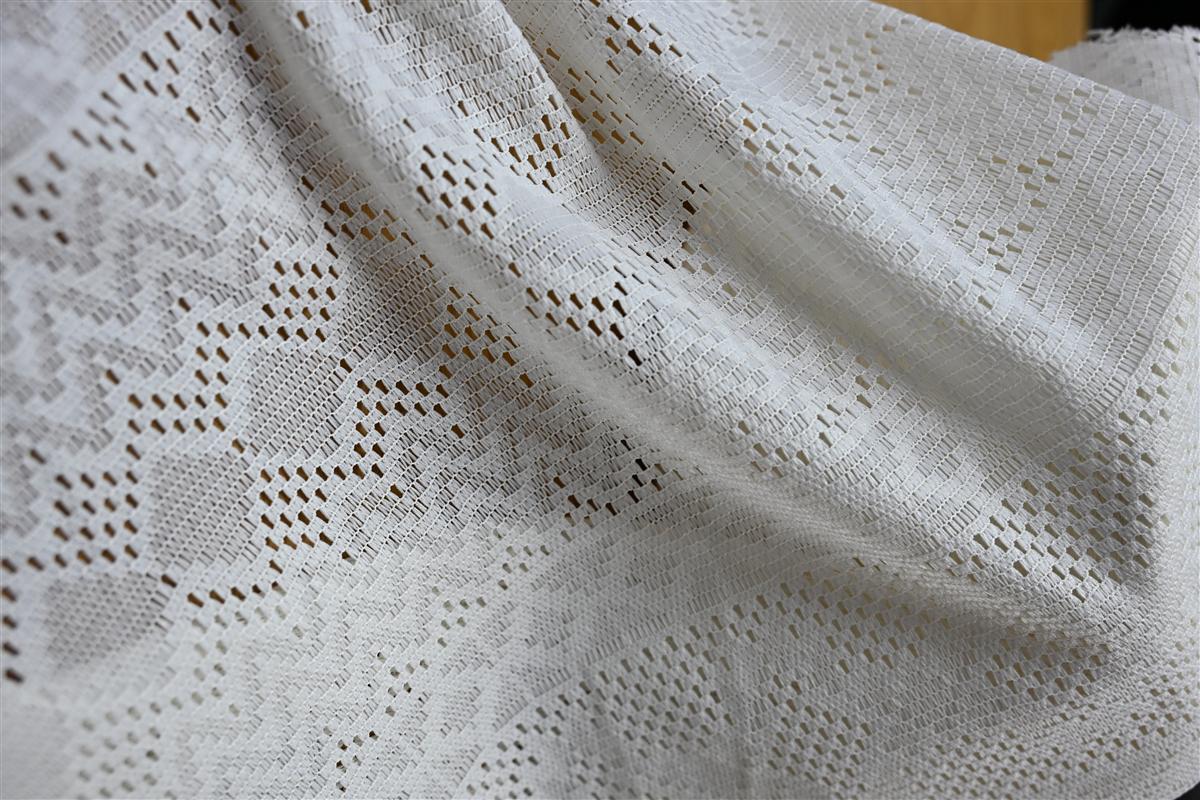
Stock vs Bespoke Textures
Stock textures ship in 3-7 days at a fraction of European mill pricing; bespoke textures require a 1000M commitment but give you exclusive color and structure control.
The Ready-Stock Advantage
For an emerging designer, the biggest risk is sitting on inventory you can’t move. That’s why we maintain ready stock of heritage cable knits. These are midweight to chunky textures—classic cable motifs with an optional bouclé finish—ready to cut and ship within 3-7 days. You pay for speed, not the material — at a fraction of European mill pricing. No minimum order anxiety, no waiting 8-12 weeks for a production slot.
When Custom Textures Justify the 1000M MOQ
Custom bespoke starts at 1000M per texture. That number sounds high until you run the math: a single season’s capsule collection of 500 units at 2 meters per garment consumes 1000M of fabric. The trade-off is total control over color, yarn composition, and stitch density. If your brand identity requires a specific Pantone that doesn’t exist in stock, or a cable gauge that falls outside our standard weight range, this is the only path. The 7-day sampling cycle still applies—you go from concept to physical swatch in one week.
Color Control: The Gap Between Swatch and Bulk
This is where most suppliers fail. They send you a perfect swatch, then the bulk roll arrives two shades off. We solve that with real-time dyelot photography and continuous lot tracking. Before we ship your bulk order, you receive photos of the actual production dye lot—not a stock image from last season. If the lot drifts, we flag it within 24 hours and offer a split shipment so you can approve or reject before the full run is cut. This is standard practice here, not a premium add-on.
Stock vs. Bespoke: The Decision Framework
- Lead Time: Stock ships in 3-7 days. Bespoke sampling takes 7 days, then production follows standard scheduling.
- Cost per Meter: Stock is priced well below premium European mill equivalents. Bespoke pricing depends on yarn complexity and dye requirements, but the base cost advantage holds.
- Flexibility: Stock offers zero commitment per colorway. Bespoke locks you into a 1000M MOQ but grants exclusive rights to that texture.
- Quality Assurance: Both paths include dye-lot photos and continuous lot control. The QC process is identical.
The contrarian take: for a first collection, start with stock textures. You preserve cash flow, validate sell-through, and can layer in bespoke elements for season two. Pure bespoke from day one creates inventory risk that most emerging labels don’t need.

Lead Times & Sampling Speed
Stock ships in 3-7 days. Custom swatches in 7 days. The bottleneck is never the mill – it is the gap between swatch approval and bulk color fidelity.
The 7-Day Sampling Cycle: From Concept to Physical Swatch
For an emerging designer, every week of delay in sampling pushes your launch window back by a month. The standard sampling cycle for heritage cable knits at Fursone is 7 days from concept to physical swatch. This is not a marketing claim – it is a production workflow built on pre-approved base yarns and a dedicated sampling line that does not compete with bulk production capacity.
Most mills quote 2-3 weeks for a first strike-off. The difference comes down to how the yarn inventory is managed. If a mill has to order specialty yarns after receiving your brief, you wait. We maintain ready stock across heritage textures, including midweight to chunky cable knits and boucle alternatives. That means the yarn is already on the floor when your request arrives. The 7-day clock starts on receipt of your color reference and texture brief, not on yarn procurement.
Stock vs. Custom: The 3-7 Day Shipping Window for Heritage Cable Knits Stock
If you need fabric immediately, the fastest path is heritage cable knits stock. These are pre-dyed, pre-finished rolls held in our Wenzhou warehouse. Orders for cable knit fabric in stock 100m or more ship in 3-7 days. There is no minimum order complexity – if the color and texture match your brief, you can have fabric on your cutting table within a week.
The trade-off is obvious: stock textures are limited to our current color palette and yarn compositions. If your brand identity demands an exclusive color or a custom blend, you move to the bespoke track. The key decision point here is speed versus differentiation. For a first collection where time-to-market outweighs exclusivity, stock is the rational choice. For a flagship line where the fabric is the story, custom is worth the extra lead time.
Aligning Swatch Quality with Bulk Color Lots: The Real Engineering Challenge
The single most common complaint from designers working with offshore mills is that the bulk shipment does not match the approved swatch. This is not a manufacturing defect – it is a process failure. Dye lots shift between sampling and production for three reasons: different dye baths, different batch sizes, and different finishing tensions.
We address this with two specific controls. First, every swatch is accompanied by a real-time dye lot photograph taken under controlled lighting. This is not a generic stock photo – it is an image of the actual production run from which your swatch was cut. Second, we apply continuous lot tracking throughout bulk production. When your 1000M custom order is being dyed, we capture color readings at intervals and flag any drift before it becomes a rejection issue. This is standard practice here, not a premium add-on.
Shortening NPI Cycles: Pre-Approved Dye Lots and Digital Color Matching
New Product Introduction (NPI) cycles in textiles typically run 8-12 weeks from initial inquiry to bulk delivery. For emerging designers with limited cash flow, that timeline is a risk. Every week of delay ties up capital in sampling fees and deposits without generating revenue.
We shorten this cycle through pre-approved dye lots. Instead of starting from scratch for every new color, we maintain a library of base dye formulations for our heritage cable knit yarns. If your requested color falls within a known formulation range, we can skip the first round of lab dips and go straight to production strike-offs. Combined with digital color matching via spectrophotometer readings, this reduces the sampling-to-approval phase compared to traditional visual matching alone.
The practical result for a designer launching a 4-SKU collection: you can go from initial inquiry to approved bulk fabric in approximately 5-6 weeks instead of 10-12. That is the difference between hitting a Spring/Summer deadline and missing it entirely.

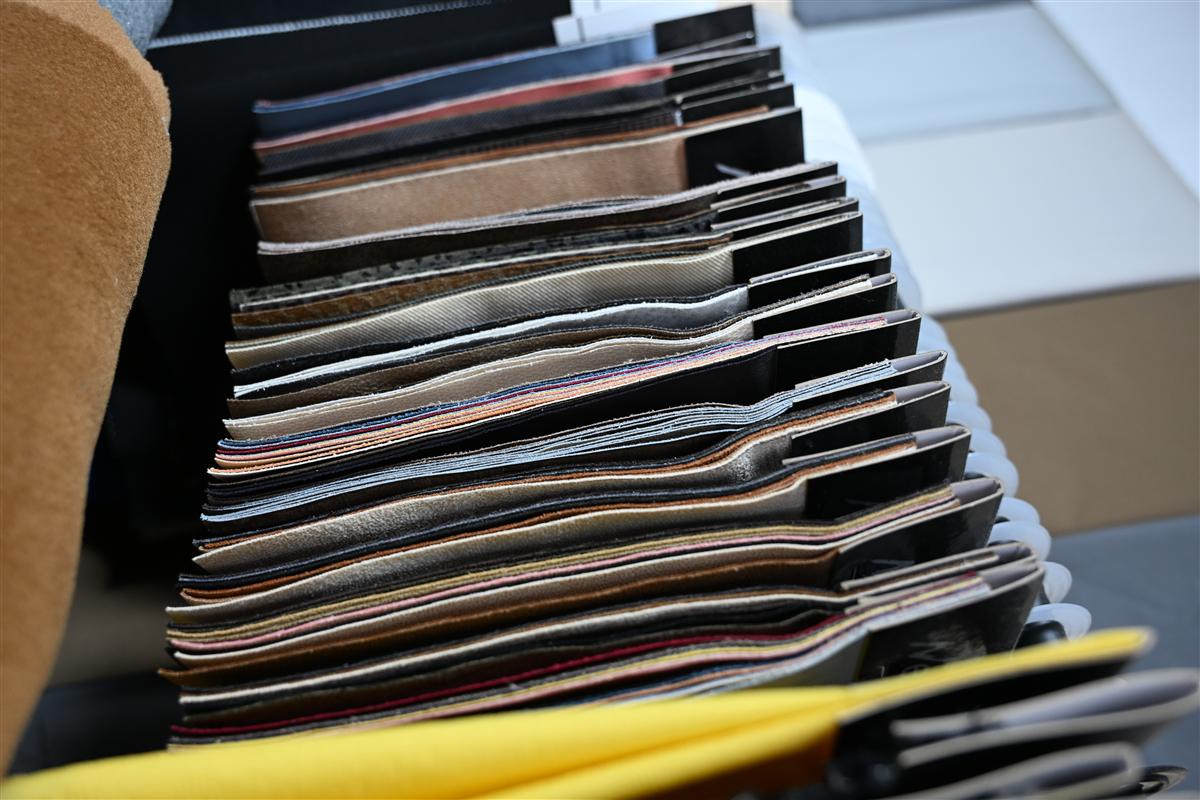
Color & Texture Consistency
Most suppliers treat color matching as a one-time event. We treat it as a continuous chain of evidence from the first dyelot to the final shipment.
The Real Cost of Dye Lot Drift
A 0.5% hue shift between a swatch and your bulk roll doesn’t sound dramatic—until a production line stops because two panels from different lots don’t match under showroom lighting. For an emerging designer, that means chargebacks, markdowns, or a delayed launch. The industry standard for acceptable color difference is a Delta E (dE) of under 1.0, but many mills operate closer to 1.5 and call it “commercial acceptable.” We hold our in-stock heritage cable knits to a dE of under 0.8, and our custom bespoke production to under 0.6.
Dye Lot Transparency: From Vat to Roll
The standard practice in the textile industry is to issue a single “lab dip” approval, then hope the bulk run matches. That’s a gamble. For every custom order of cable knit fabric in stock 100m or more, we provide real-time dyelot photography at three stages: the lab dip, the first production vat, and the final roll. This is not a marketing claim—it is a standard operating procedure. If the dE drifts at any stage, the lot is flagged and reworked before it reaches the cutting table. This continuous lot tracking is the difference between a supplier who ships fabric and a partner who ships certainty.
Texture Fidelity: Why the Swatch Must Be the Truth
Heritage cable knits derive their value from the tactile structure—the depth of the cable, the density of the twist, the hand feel. A common failure point is when a mill uses a different yarn tension or machine gauge for the swatch versus the bulk run, producing a texture that looks right in a 4×4 inch sample but feels flimsy in a full garment. Our 7-day rapid sampling cycle uses the exact same machine settings, yarn count, and finishing process as the bulk order. The swatch you approve is the fabric you receive at scale. For stock textures, we maintain archived production records for every lot, so a reorder from 6 months ago will match the current stock to within the same dE tolerance.
Quality Gates to Eliminate Hue Drift
We operate three mandatory quality gates on every heritage cable knit order:
- Gate 1 — Pre-Production Match: The lab dip is compared against the approved standard under D65 (daylight) and TL84 (store lighting) illuminants. Only passes at dE < 0.5 proceed.
- Gate 2 — In-Process Audit: At 500 meters into the bulk run, a sample is pulled and measured. If the dE exceeds 0.8, the run is halted and the dye recipe is adjusted before continuation.
- Gate 3 — Final Lot Certification: Every roll receives a unique lot number. A digital record including the measured dE, the dyelot photo, and the roll weight is attached to the shipment. This allows your quality team to verify consistency without opening every box.
The Split Shipment Safety Net
For emerging designers who need to see the goods before committing to the full yardage, we offer a practical workaround: split shipments. We can send a sample roll (typically 10-20 meters) from the actual production lot ahead of the bulk. You receive a 24-hour QC alert with the dyelot photo and measured dE. If the color or texture deviates from your approved swatch, we halt the bulk shipment and correct the dye recipe—at no cost to you. This reduces the risk of a full batch rejection and keeps your collection timeline intact. Most knit fabric manufacturers in China will not offer this because it adds a logistics step. We consider it a necessary hedge against the most common failure in textile sourcing.
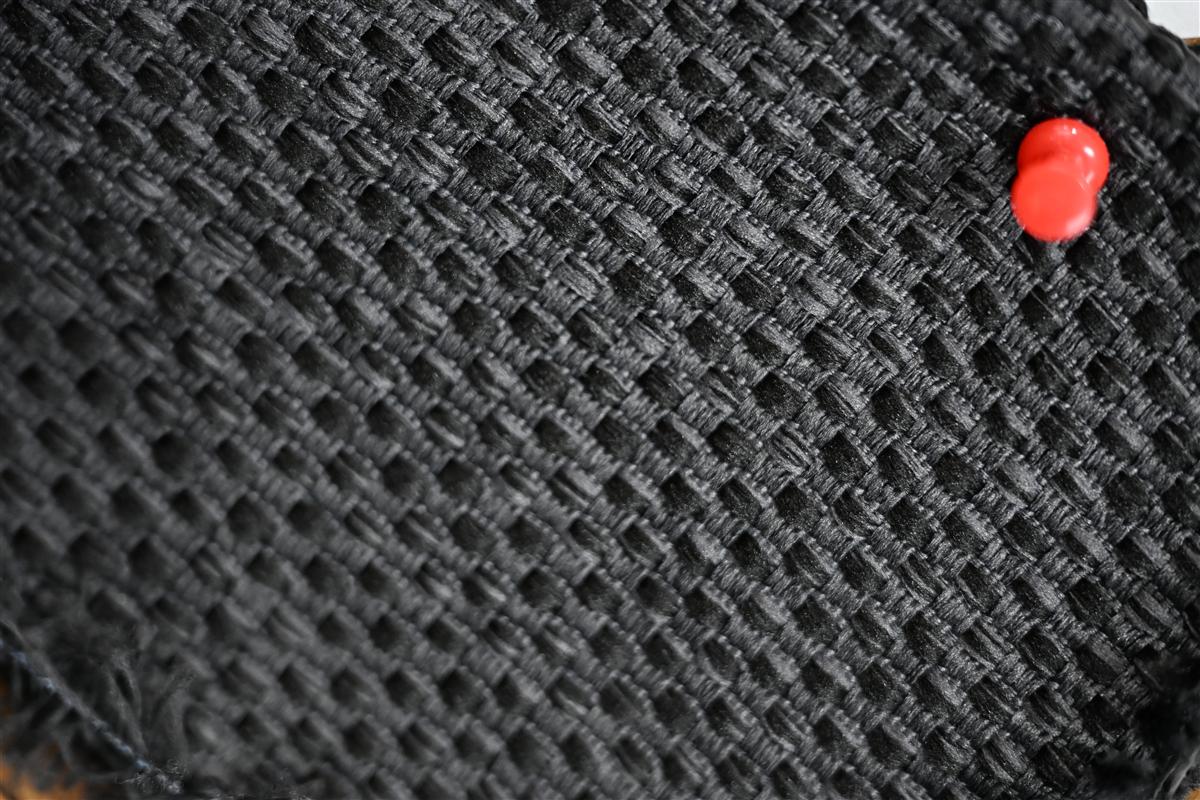
Costing & Value for Small Brands
Stock-to-custom models sharply reduce upfront cash risk for first-season designers. The math on ready stock vs. a large custom order is not close.
Pricing Dynamics and MOQs: The Real Numbers
The single biggest mistake emerging designers make is signing a contract for a large custom heritage cable knit order before they have sold a single unit. That decision locks up substantial capital in raw material for a collection that might not even ship for six months. The alternative is a two-tier stock-to-custom model. Fursone holds heritage cable knits stock ready to ship in 3–7 days. At a modest per-meter cost for midweight cable textures, a 200-meter test run costs little. That is a major cash-flow difference compared to a full custom order. Custom bespoke starts at a 1,000M MOQ per texture, which is deliberately low for the industry — most European mills will not touch a small custom run. The trade-off is speed: stock gives you immediate access to proven textures; custom gives you exclusivity at a higher per-meter rate.
Total Cost of Ownership for Emerging Designers
The per-meter price from a premium European mill for an equivalent cable knit fabric is high. Fursone’s heritage knit textures stock is priced well below that range, putting the same artisan aesthetic within reach. But the total cost of ownership extends beyond the meter price. European lead times average 8–12 weeks for stock and 16–20 weeks for custom. That delay forces designers to forecast colors and volumes six months out, which is a gamble most small brands lose. With a 7-day sampling cycle and 3–7 day shipping on stock, Fursone lets you compress that timeline to under two weeks. You pay slightly more for air freight on samples, but you avoid the cost of warehousing dead stock that never sells. The real savings come from speed-to-market: launching a collection in Q3 instead of Q4 can mean the difference between full-price sell-through and markdowns.
Stock Pricing vs. European Mills: Where the Gap Comes From
The price gap is not a quality difference. It is structural. European mills operate with higher labor costs, older machinery, and a supply chain that adds two to three intermediaries between the spinner and the cutter. Fursone, based in Wenzhou with operations since 1995, controls the full manufacturing chain — from yarn sourcing to finishing. That vertical integration removes the margin that European distributors and agents take. For an emerging designer choosing between affordable luxury cable knit fabric from a Chinese manufacturer vs. a European mill, the decision comes down to risk tolerance. European mills offer brand cachet but demand higher upfront investment and longer lead times. Chinese manufacturers offer equivalent textures — including bouclé alternatives and chunky cable knits — at a price that allows for higher margin on the finished garment. The caveat is quality control: not all Chinese manufacturers provide dye-lot transparency. Fursone sends real-time dye-lot photos and continuous lot tracking with every order, which is a practice most competitors claim but do not execute.
Leveraging Volume Rebates in Future Seasons
Once a designer proves a silhouette sells, the cost structure shifts. Fursone’s custom MOQ of 1,000M is the entry point for exclusive textures. After the first season, repeat orders on the same yarn-dyed cable knit fabric qualify for volume pricing on larger increments. The key is to standardize your base textures early. If you launch three styles using the same heritage cable knit in three colors, your total volume across styles can hit the rebate threshold in a single season. That is more efficient than using a different texture for each style, which keeps each run at the base custom rate. For designers scaling from 500 units to 5,000 units per season, locking in a core texture and negotiating tiered pricing upfront is the fastest way to improve gross margin. The industry secret is that most mills will negotiate volume rebates if you ask — but only if you have a track record of on-time payments and consistent re-orders.
| Feature | Specification | Benefit |
|---|---|---|
| Stock Availability | Ready stock, ready-to-ship | Ship in 3-7 days; no inventory risk |
| Custom MOQ | 1000M per texture | Lower commitment for exclusive designs |
| Sampling Speed | 7-day rapid sampling | Concept to swatch in one week |
| Cost Advantage | A fraction of European mill pricing | Premium quality, affordable luxury |
| Quality Control | Real-time dye-lot photos & lot tracking | Color fidelity from swatch to bulk |
Conclusion
Heritage cable knits remain a seasonal staple because they balance artisan texture with modern supply chain speed. The choice between ready stock fabric and a 1000M custom run determines your timeline and cost — stock ships in 3-7 days, custom takes longer but locks exclusivity. Either route, the cost advantage over European mills is real, provided you verify dye-lot consistency from swatch to bulk.
Review the stock catalog to see which midweight to chunky cable textures match your next collection. Then check the pillar page for a full breakdown of stock vs custom pathways and sampling timelines.
Frequently Asked Questions
Are cable knit sweaters outdated?
Cable knit sweaters are far from outdated; they are a perennial staple in both luxury and contemporary fashion due to their timeless texture and structural depth. As a heritage textile, the cable knit pattern has consistently cycled back into trend rotations, particularly in premium collections that value artisan craftsmanship. At Fursone, we see sustained demand from global fashion brands who leverage this classic texture to anchor seasonal collections with a sense of enduring quality. Our 1000m custom bespoke solutions allow designers to modernize the cable knit with exclusive yarn blends, ensuring it remains relevant and fresh each season.
Why is cable knit so popular?
Cable knit’s enduring popularity stems from its unique ability to convey both heritage luxury and tactile sophistication, making it a favored choice for high-end knitwear collections. The intricate twisted stitches create a dimensional texture that adds visual interest and perceived value, aligning perfectly with the artisan aesthetic that premium brands seek. From a supply chain perspective, Fursone’s 100m ready stock of cable knits enables brands to quickly capitalize on this trend without production delays, while our 7-day rapid sampling allows for rapid iteration on new colorways or fiber compositions. This combination of classic appeal and manufacturing agility ensures cable knit remains a commercial powerhouse season after season.
Is cable knit for winter?
While cable knit is traditionally associated with winter due to its dense, insulating structure, its application extends well beyond cold-weather collections when paired with the right fiber blends. At Fursone, we offer cable knits in lightweight yarns such as fine merino wool or cotton-cashmere mixes, making them suitable for transitional seasons like early spring and autumn. The texture’s inherent warmth and durability, however, make it an ideal foundation for winter outerwear and sweaters, where our affordable luxury pricing—a fraction of European mill pricing—allows brands to deliver premium thermal performance without margin erosion. Ultimately, the versatility of cable knit means it can be adapted for year-round use through strategic fiber selection and gauge adjustments.
What is the difference between cable knit and regular knit?
The primary difference lies in the stitch construction: cable knit employs a technique where groups of stitches are crossed over each other to create a raised, rope-like pattern, while regular knit (such as jersey or stockinette) uses a simple interlocking loop structure that results in a flat, uniform surface. This cable technique requires specialized machinery and greater yarn consumption, which increases the fabric’s weight, thickness, and thermal retention—qualities that premium brands value for their perceived luxury. As a manufacturer with since-1995 expertise, Fursone produces cable knits with precise tension control to ensure consistent pattern definition, a level of quality that distinguishes our fabric from mass-produced regular knits. Our 1000m custom MOQ allows designers to specify exact cable patterns and yarn counts, offering a bespoke alternative to standard knit textures.
What is the best material for a cable knit sweater?
The best material for a cable knit sweater depends on the intended end-use and price point, but for premium collections, a blend of extra-fine merino wool with a touch of cashmere or silk offers an optimal balance of warmth, softness, and stitch definition. Merino wool provides natural elasticity and moisture-wicking properties, ensuring the cable pattern holds its shape over time, while cashmere or silk adds a luxurious hand feel that justifies higher retail margins. At Fursone, we source European-mill-quality fibers and can engineer custom blends—such as wool-cotton for breathability or wool-nylon for durability—through our 1000m bespoke service. Our affordable luxury model ensures that even the highest-grade material combinations are accessible at a fraction of European cost, enabling brands to deliver superior cable knit sweaters without compromising on quality or profitability.
Authoritative References

Related Insights
Boucle Fabric Price Per Meter: 3 Hidden Cost Factors
A $50,000 order can fall apart when the boucle fabric price per meter looks acceptable...
Tweed Fabric Weight: The 380–450 GSM Rule for Boucle Jackets
Every line on the buyer’s checklist checked out—FOB pricing, lead time, sample approval—but nobody verified...
Upholstery Tweed Fabric for Clothing? 5 Tests to Run First
upholstery tweed fabric for clothing is the first checkpoint buyers should lock before they approve...