


Reduce fabric cutting waste is a money decision before it is a green one, because 10 to 15 percent of the fabric you pay for can disappear at the cutting table. The loss is not random: pattern nesting, marker width, and reclaim rules decide how much of a roll becomes a garment. This guide breaks the waste into where it comes from, and what a mill controls so you buy fewer meters per unit.
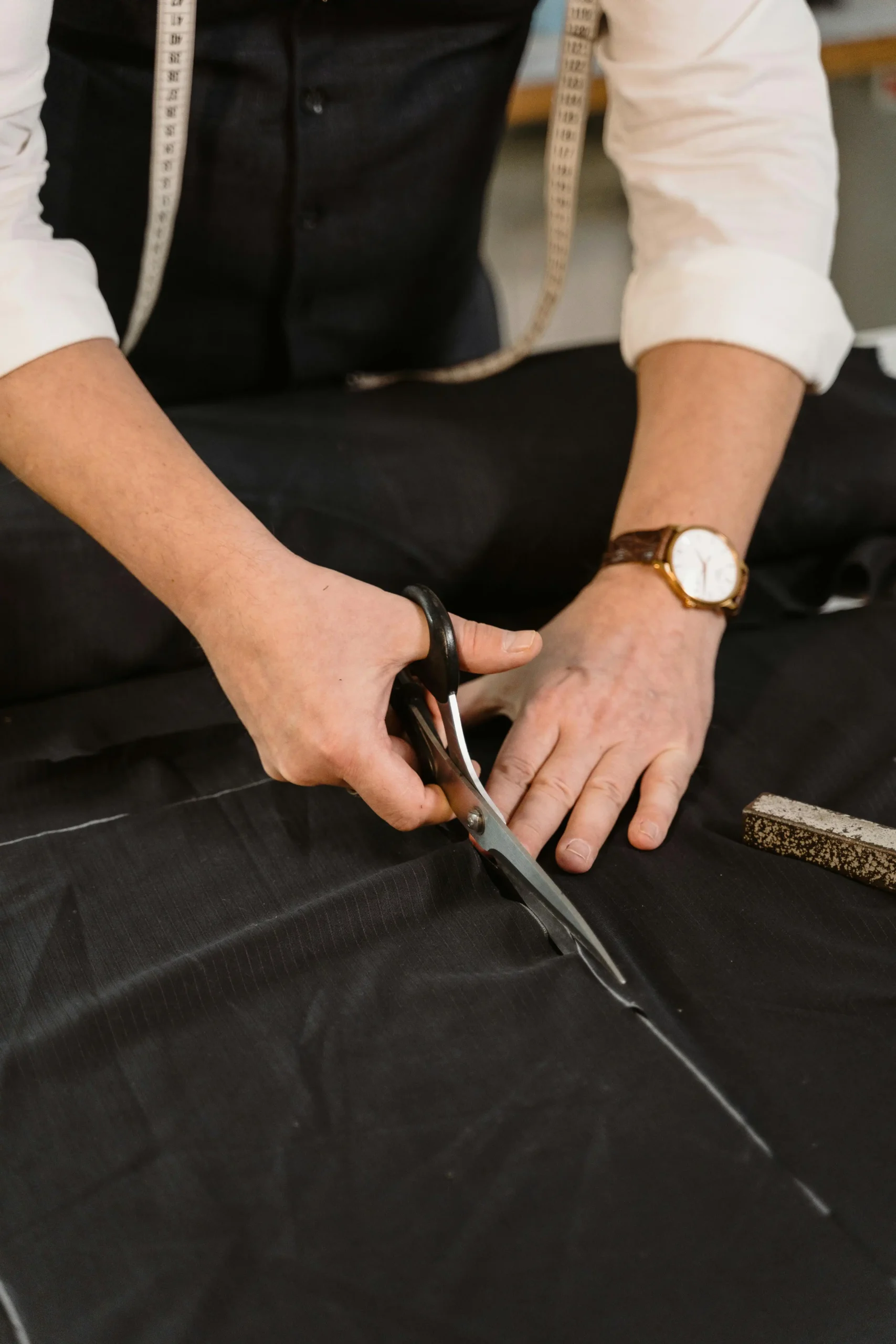
Where cutting waste actually comes from
Most buyers think of waste as the odd corner, but the real loss is in four places, and they behave very differently.
| Source | Share of loss | What drives it | Who controls it |
|---|---|---|---|
| Marker waste | Typically 8-12% | How tightly patterns are nested | Nesting / marker room |
| End-of-roll remnants | 2-4% | Roll length vs cut plan | Purchasing + cutting |
| Faulty panels | 1-3% | Defects found after cutting | Quality control |
| Cut-line and seam allowance | 1-2% | Pattern and marker settings | Pattern making |
The first two sources together make up most of the waste, and they are the ones a sourcing team can talk to a mill about before a single roll is cut.
Pattern nesting is the first lever
Nesting is the layout of the garment patterns across the fabric width, and it decides the marker efficiency, which is the percentage of the roll that actually becomes a part. A classic marker for a structured coat lands around 85 to 90 percent efficiency, meaning 10 to 15 percent of the fabric is off-cut. Pushing a marker to 92 percent on the same roll means fewer meters per unit, which on a 1,000-meter order cuts the fabric spend by a meaningful margin. The catch is that tighter nesting can change the grain, the nap, or the check direction on a patterned tweed, so a buyer has to balance efficiency against the visible result.
Marker width and cutting accuracy are the second lever
Marker width is the usable width of the lay, not the nominal roll width. A fabric sold as 150 cm may only deliver a 146 cm usable width once you account for the selvedge and the pull, and a marker built for 150 cm will waste the difference. Add a cutting accuracy that drifts by a few millimetres and a garment that takes 90 cm will start taking 91 cm, which compounds across a thousand units. Reliable mills measure the usable width, build the marker to it, and cut against a fixed reference, so the 90 cm stays a 90 cm.
The difference between an 85 percent and a 92 percent marker on a 1,000-meter order is not a rounding error. At 85 percent you need roughly 1,176 meters of fabric to cut the same output that 1,087 meters covers at 92 percent, and the saving falls straight to the bottom line. A mill that will run a nesting trial on your pattern before it quotes is worth more than one that quotes a flat price, because the trial tells you the true meters per unit before you commit to a bulk. That is the number to negotiate on, not the price per meter, because a slightly dearer fabric with a tighter marker can be cheaper per garment.
What to do with the waste you cannot avoid
Even a good marker leaves off-cuts, and the best suppliers do three things with them. First, they grade the off-cuts by size, so a large clean off-cut can be re-marked into a smaller garment or a lining instead of going to landfill. Second, they recover the longer full-width pieces into a new cutting plan. Third, they pass a small-scale off-cut or a faulty panel into the reclaim stream, where it becomes a recycled yarn under a chain-of-custody like GRS rather than a cost line. None of this makes a bad marker profitable, but it turns the inevitable margin into a creditable one.
Why cutting waste is a sustainability question, not just a cost one
Fabric is the single largest embedded carbon and water item in a garment, so the fabric you do not waste is the cleanest carbon you can avoid. A mill that reports a marker efficiency and a reclaim rate is giving you something to put in a supplier audit, and it is the first thing a buyer checks when a brand sets a waste-reduction target. Related reading: the difference between pre-consumer and post-consumer recycled yarn, and how GOTS and GRS certification compare. The wider question of fibre recovery is covered in recycled wool vs virgin wool.
Fursone, a 300-loom Wenzhou mill since 2020, runs a custom manufacturing path at a 300-metre MOQ with a 7-day sampling cycle, and supplies a fashion sweater knit and a performance knit from ready stock and custom. The on-loom standards sit under ISO and GRS/OEKO-TEX. External standard: the reclaim and fibre-recovery side of this question is defined under textile recycling.
Frequently asked questions
How much fabric is wasted in cutting?
Typically 10 to 15 percent, split between marker waste, end-of-roll remnants, faulty panels, and cut-line. Marker waste is the largest share.
What is marker efficiency?
The percentage of a fabric lay that becomes usable pattern parts. A structured coat marker usually lands around 85 to 90 percent efficiency.
How do you cut fabric waste in garment production?
Tighten the pattern nesting, build the marker to the measured usable width, cut against a fixed reference, and reclaim large off-cuts into smaller patterns.
Is cutting waste a sustainability issue?
Yes, because fabric carries the largest embedded carbon and water cost in a garment, so the fabric you do not waste is the cleanest reduction you can make.
Can off-cuts be recycled?
Yes. Clean off-cuts can be re-marked into smaller parts, and inconsistent panels can go to a reclaim stream into a recycled yarn under a chain of custody like GRS.

Related Insights

Fiber Content Labels for Tweed and Knit: Reading Composition Percentages Right
A composition label is a legal document, a marketing claim and a care instruction all...
Fabric Waste in Cutting: How Much Your Collection Throws Away
Every collection throws away fabric twice: once in the cutting room, where markers never fit...

Lyocell Knit Blends: Sourcing, Blend Ratios and Verification for Buyers
Lyocell has moved from a niche fiber to a standard line item on knit buyers’...