Yarn-dyed tweed gets its color before weaving, and piece-dyed tweed gets its color after weaving. That one process difference decides how consistent the color stays across 100 or 5,000 meters of bulk fabric. Yarn dyeing colors each thread in a hank or package dye bath, then the loom weaves the pattern from pre-colored yarns. Piece dyeing weaves greige fabric first and dips the finished cloth in a dye bath, so the color sits on the surface of the weave. For patterned tweeds like herringbone and checks, yarn dyeing is the only route. For solid colors, both work, and the choice comes down to dye lots, cost, and how late you want to lock the color.
At Fursone, a Wenzhou tweed mill with 300+ looms and ISO plus GRS/OEKO-TEX certifications, we run both dyeing routes across our Chanel-style tweed collection. This article compares the two processes on cost, color consistency, MOQ, and fastness, and gives you the benchmark numbers to put in your next spec sheet.
How Yarn Dyeing Works
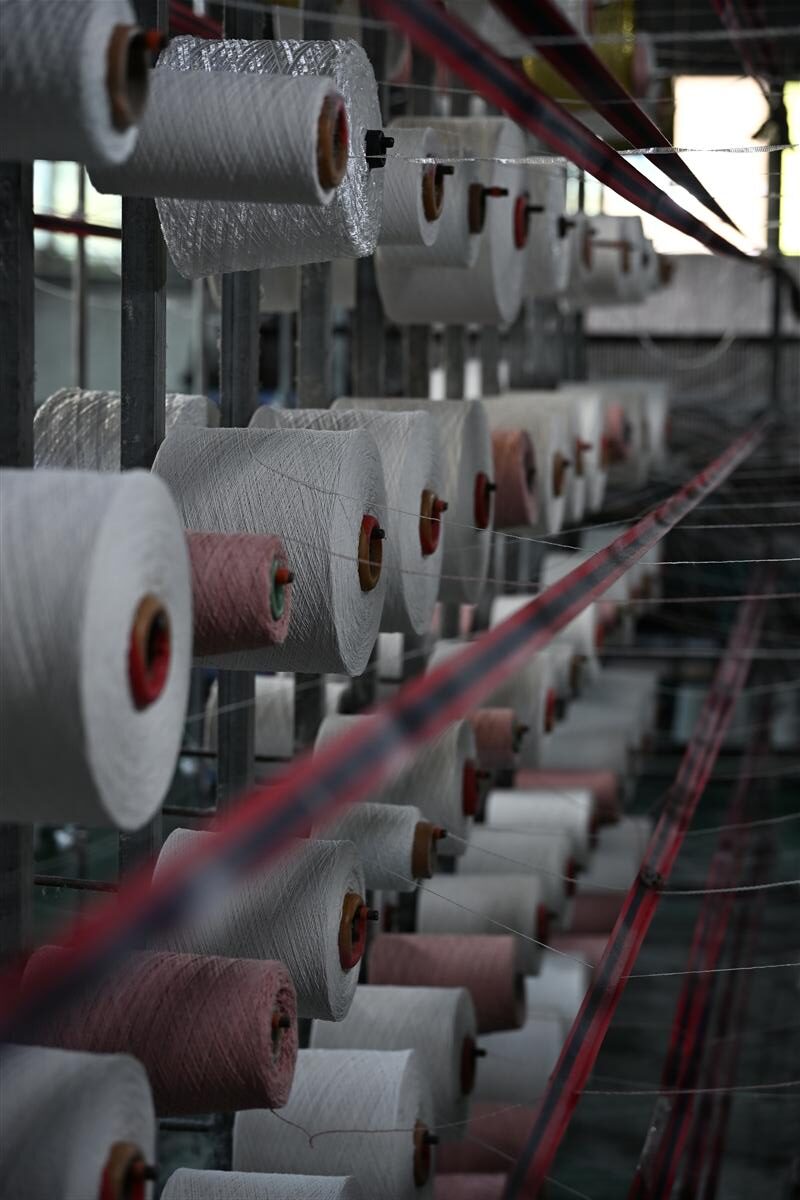
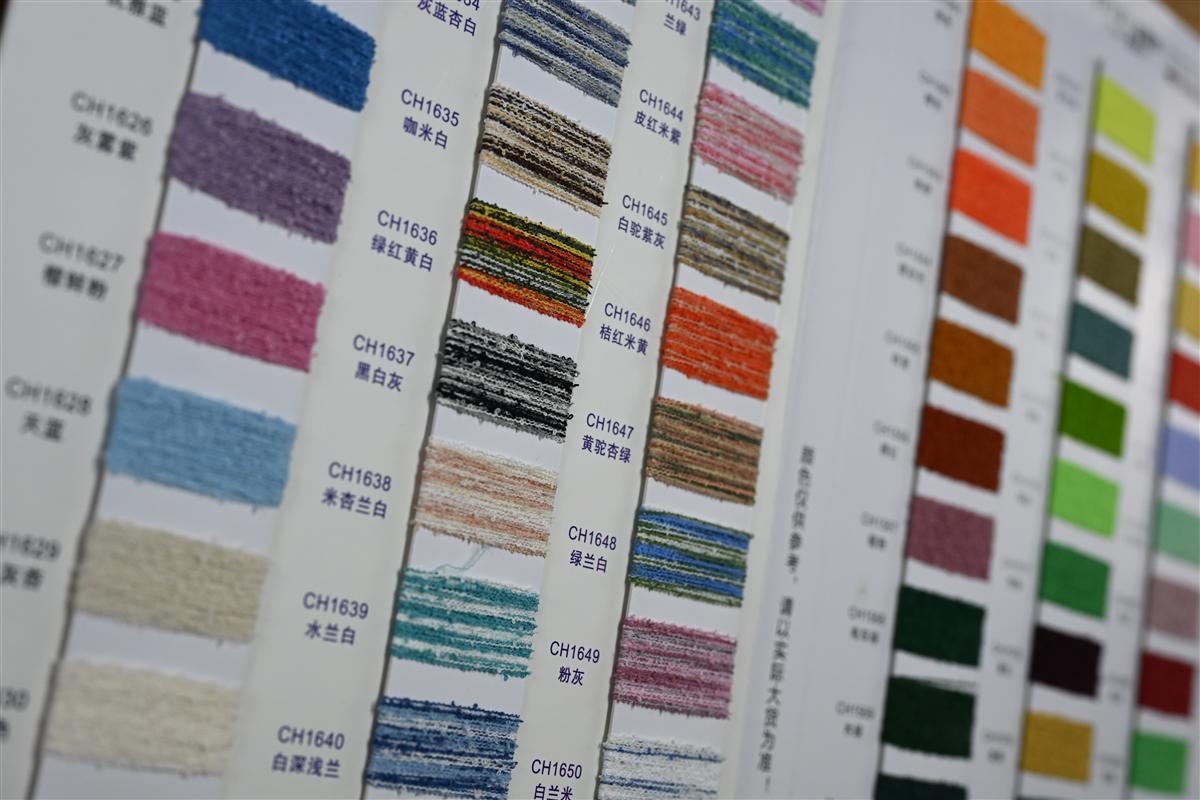
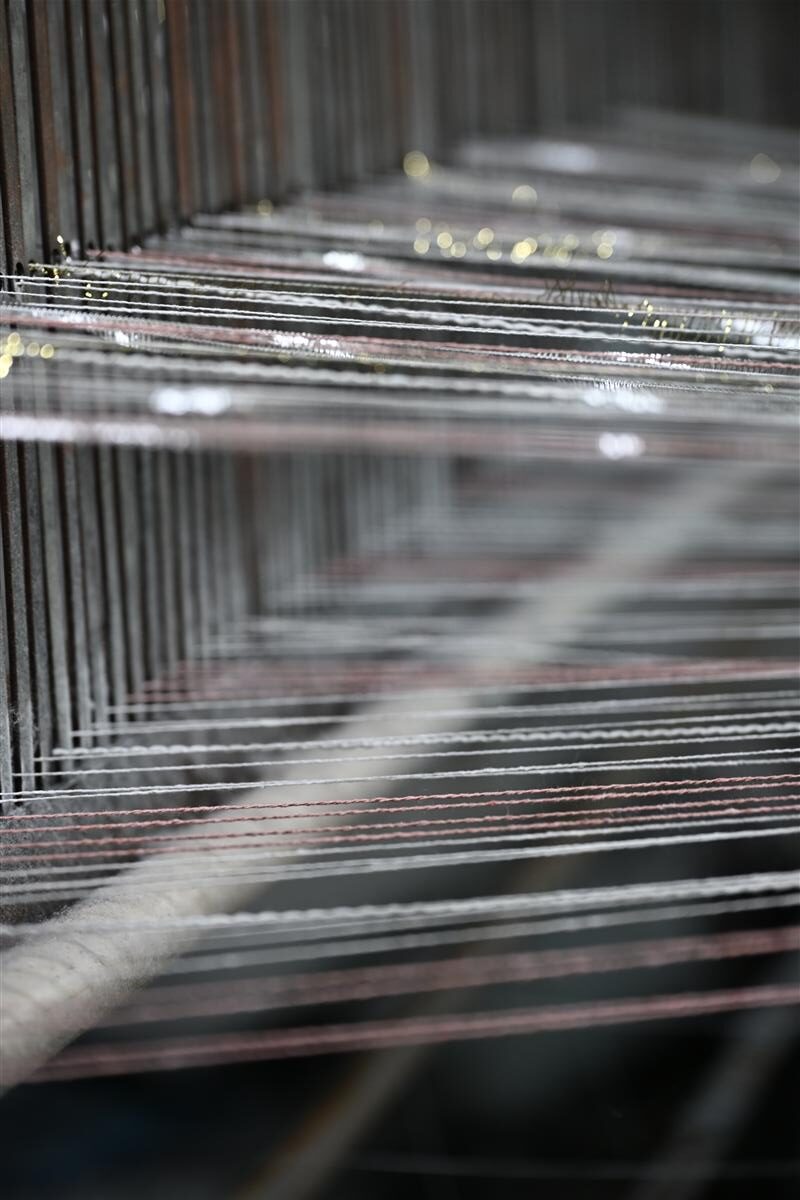
Yarn dyeing starts with yarn, not fabric. The spinner delivers undyed yarn in hanks or on packages, and the dye house processes that yarn in a dye bath before it reaches the loom. The dye penetrates the full fiber structure of every thread, not just the surface. Once dyed, yarns are dried, re-wound, and warped by color, and the weaving step builds the pattern from threads that already carry their final colors.
The key buying consequence is timing. With yarn dyeing, you commit to the color before weaving starts, because the yarn stock itself is colored. That locks your shade early in the schedule and means the mill must hold dyed yarn inventory for reorders. It also means the color is repeatable: the same dyed yarn lot can be woven weeks later and match the first delivery, because the color sits inside the thread.
How Piece Dyeing Works
Piece dyeing weaves the fabric in greige, undyed state, then dyes the finished cloth in batches. The dye bath colors the surface of the fabric and penetrates through the weave. This route gives buyers flexibility: you can decide the color after the fabric structure is approved, and the mill can hold greige stock that gets dyed to order. That is why piece dyeing is standard for solid-color programs where the mill keeps undyed inventory.
The trade-off is consistency. Every dye batch is a separate dye lot, and the same shade can shift between batches depending on water, temperature, and dye concentration. Loose tweed weaves make piece dyeing harder because the napped, textured surface absorbs dye unevenly, which is why heavy boucle and napped tweeds are usually yarn-dyed. Our in-depth yarn dyeing techniques for tweed guide explains where each route fits in the production schedule.
Yarn-Dyed vs Piece-Dyed: Side-by-Side
| Factor | Yarn-Dyed Tweed | Piece-Dyed Tweed |
|---|---|---|
| When color is applied | Before weaving, on the yarn | After weaving, on the fabric |
| Color penetration | Through each thread | Surface of the weave |
| Pattern capability | Checks, plaids, herringbone, stripes | Solid colors only |
| Color locked in schedule | Before production | After production |
| Bulk consistency | Matches across reorders from same yarn lot | Shifts between dye lots |
| Typical fastness (AATCC) | 4-5 on crocking, wash, light | 3-4 depending on dye class |
| Cost direction | Higher (extra dyeing step and yarn stock) | Lower per meter |
| Best use | Patterned tweeds, premium blazers and coats | Solid basics, late color decisions |
Read the fastness row carefully. Yarn-dyed tweeds consistently hit AATCC 4-5 ratings on crocking, wash, and lightfastness tests because the dye bonds through the fiber, while piece-dyed cloth earns 3-4 unless the mill controls the dye class and fixation carefully. For a blazer worn against skin and dry-cleaned repeatedly, that one-grade gap shows up as crocking on shirt collars and shade change after cleaning.
Color Consistency Across Bulk Rolls
Color consistency is measured in CIE Lab values, and the tolerance you should write into your contract is delta E below 1.0, verified on a spectrophotometer. A mill that guarantees color matching will run a production strike-off, check it against your approved swatch with a CIE Lab spectrophotometer, and keep every bulk roll inside that tolerance. A mill that skips the strike-off can shift the color perception by 3-5 Lb* points between the hand-loomed sample and the power-loom bulk, which reads as a visibly different shade.
The weave itself changes perceived color. The same dyed yarn appears lighter or darker when thread packing density changes between the sample loom and the production loom. That is why the reliable route is yarn dyeing plus a production strike-off at bulk density, not a hand-loomed swatch approval. Our article on why tweed color matching fails breaks down the density shift and the delta E tolerances that prevent it.
When you buy piece-dyed fabric in bulk, request dye lot numbers and a delta E measurement between lots. Two rolls from different dye lots can sit side by side in a garment and read as two shades, especially in napped tweed where the surface scatters light. Keep the same lot number across a single garment run, and order a little extra from the same lot for reorders.
Cost and MOQ Differences
Yarn dyeing adds a production step and a yarn inventory commitment, so it costs more per meter. Fashion tweed budgets commonly run $12-22 per meter, and within that band yarn-dyed patterned constructions sit at the upper end. Piece dyeing lets a mill hold greige stock and dye to order, which supports smaller runs and later color decisions, and it is the default for solid-color basics.
MOQ works differently on the two routes. At Fursone, ready-stock rolls start from 100 meters per color, and custom production starts at 1,000 meters per color. A stock piece-dyed solid can ship from inventory in days. A custom yarn-dyed pattern requires the 1,000-meter program because the mill must dye and hold the yarn inventory before weaving. If your line needs 12 stock SKUs and 1 custom pattern, the stock rolls carry the launch while the custom pattern runs on its own MOQ.
Testing Before Bulk
Put three tests in your bulk contract: crocking (dry rub), wash fastness (shade change), and lightfastness (20-hour exposure), with a minimum AATCC rating of 4-5 on all three for premium construction. The AATCC test methods define the procedures and grading scales labs use. Our crocking vs lightfastness guide explains what each test actually measures.
Chemical compliance is a separate gate. For fabric sold into European and North American apparel, dyes must stay inside the restricted substance limits of OEKO-TEX Standard 100, which covers azo dyes, heavy metals, and formaldehyde among others. Fursone holds OEKO-TEX certification alongside ISO and GRS, so every dye house we use runs within those limits. Ask any mill for their OEKO-TEX certificate number and confirm the scope covers the dye class in your order.
Which Construction Should You Specify?
Use yarn dyeing when the design has a pattern, the color must match across reorders, or the fabric surface is heavily napped. Use piece dyeing when the garment is a solid color, the color decision comes late, or the run is small enough to pull from greige stock. For most premium blazer and coat programs, yarn dyeing is the safer default because AATCC 4-5 fastness and cross-batch consistency are hard to guarantee on piece-dyed napped cloth.
Write the dyeing route into your RFQ. State “yarn-dyed” or “piece-dyed” next to the color spec, add the delta E under 1.0 tolerance, and list the three fastness tests with the AATCC 4-5 minimum. Our tweed fabric colorfastness test article gives the full benchmark list you can paste into a spec sheet. That one paragraph in the RFQ prevents the most expensive failure in fabric sourcing: a bulk delivery that matches the swatch under showroom lights and fails after three washes.
Dyeing Timeline and Production Planning
Dyeing route changes your calendar, not just your color. On the standard custom-order path used at Fursone, sampling runs 7 days, dye lot approval lands in weeks 2-3 at 0.5 delta E, and bulk production runs in weeks 4-6. The dye lot approval is the gate where yarn-dyed and piece-dyed programs diverge. A yarn-dyed program approves the dyed yarn color before weaving, so the approval happens early and the loom runs with locked color. A piece-dyed program weaves greige first and approves the color after weaving, which shifts the color gate later in the schedule and adds a dyeing step after the fabric exists.
That timing difference has a practical consequence for reorders. With yarn dyeing, the mill can hold the approved dyed yarn and re-weave matching cloth weeks later, which is how cross-batch consistency is held on multi-season programs. With piece dyeing, a reorder means a new dye lot and a new delta E measurement against the original standard, and the risk of a visible shift grows with napped surfaces. If your line is structured as carryover styles across seasons, the yarn-dyed route protects the color story; if every season is a new color story, piece dyeing keeps the greige stock flexible.
Budget the calendar accordingly. Add 2-3 weeks to a piece-dyed program for the post-weave dye step if the mill does not hold greige stock, and confirm whether the 6-week path includes the dyeing stage or runs it separately. A mill that dyes in-house, as Fursone does under one roof, holds both routes inside the same 6-week window because there is no third-party dye house handoff between the loom and the finishing frame.
FAQ
Is yarn-dyed better than piece-dyed fabric?
For patterned tweeds and premium blazers, yes. Yarn dyeing locks color through each thread, reaches AATCC 4-5 fastness, and matches across reorders. Piece dyeing is the right call for solid basics where the color decision comes late.
What is the difference between yarn-dyed and piece-dyed?
Yarn-dyed fabric is woven from yarns colored before weaving. Piece-dyed fabric is woven undyed, then dyed after weaving. The difference controls pattern capability, color consistency, and fastness.
Why is yarn-dyed fabric more expensive?
The mill dyes and holds yarn inventory before weaving, adding a production step and a capital commitment. That cost lands in the per-meter price, which is why yarn-dyed constructions sit at the upper end of the $12-22 per meter tweed range.
Can piece-dyed fabric look like yarn-dyed?
No. Piece dyeing produces flat, single-tone results. Patterned effects like checks and herringbone require color in the thread, which only yarn dyeing provides.
What colorfastness rating should I require for tweed?
Require AATCC 4-5 minimum on crocking, wash fastness, and lightfastness (20-hour exposure) for premium constructions, and verify the report before bulk production.
Conclusion
Yarn dyeing wins on color consistency, pattern capability, and fastness; piece dyeing wins on cost, flexibility, and speed. The decision belongs in the RFQ, not in the factory after production starts. Specify the route, the delta E tolerance, and the AATCC 4-5 benchmark, and confirm the dye house holds OEKO-TEX certification.
If you are building a tweed program and need to compare dyeing routes against real mill capability, send your color references and target weight to Fursone. We return samples within 7 days, including production strike-offs at bulk weave density. Request a quote and we will confirm the dyeing route, MOQ, and lead time for your color program.
Related Insights

Crocking Test vs Lightfastness Test: Color Durability Labs Measure
Color fastness is the single most common reason fabric fails a buyer’s lab test. Two...
ISO Grade 3-4 Pilling Resistance: What the Rating Really Means
When a fabric spec sheet lists “ISO grade 3-4 pilling resistance,” most buyers read it...

How Boucle Loops Are Formed: Yarn Twist and Loop Engineering
A buyer opens a fabric swatch, runs a thumb across the surface, and feels those...