

For more on this topic, see recycled vs virgin wool.
The fall winter 2026 fabric forecast for tweed and knit buyers is not a mood-board exercise. It is a sourcing calendar decision, because every fabric direction on this list has a weight band, a lead time, and a stock-versus-custom lane attached. Boucle, tweed, and cable knit are the three constructions that will carry FW26-27 outerwear, and each one behaves differently on the production floor.
This forecast is written from the mill side of the order, not the runway side. For each direction you get the GSM that survives production, the lead time that fits your calendar, and the sourcing tier that matches your volume. If you are planning a fall 2026 line today, these are the numbers to write into your spec sheet before the sample round starts.
Key takeaways
- Boucle leads structured outerwear; the working window for lined jackets is 380-450 g/m².
- Classic tweed carries heritage tailoring at 320-360 g/m² stock weights, with yarn-dyed flecks as the signature.
- Cable knit is the volume lane: 20,000+ Martindale cycles and 4-6 week bulk production.
- Custom FW26-27 orders need a 6-week runway; stock lanes cover test runs in 3-7 days.
- Yarn-dyed color depth is available from 200+ pre-dyed colorways without a custom yarn order.
What Is Driving Texture Fabrics for FW 2026-27
Three demand forces are converging on textured outerwear for the season: the return to tactile luxury, a preference for statement textures over logos, and a practical shift toward knit coats that move with the body. All three reward the same fabric families. Boucle supplies the tactile statement, tweed supplies the heritage credibility, and cable knit supplies the volume that garment factories can actually cut and sew at scale.
The operational consequence is a forecast with three lanes instead of one. A brand that tries to serve the whole season with a single fabric will fight the GSM problem twice: too light for the jacket story, too heavy for the knit story. The mature approach is a three-construction plan with each lane’s weight and lead time managed separately, which is exactly how the rest of this forecast is structured.
Boucle: The Structured Outerwear Anchor
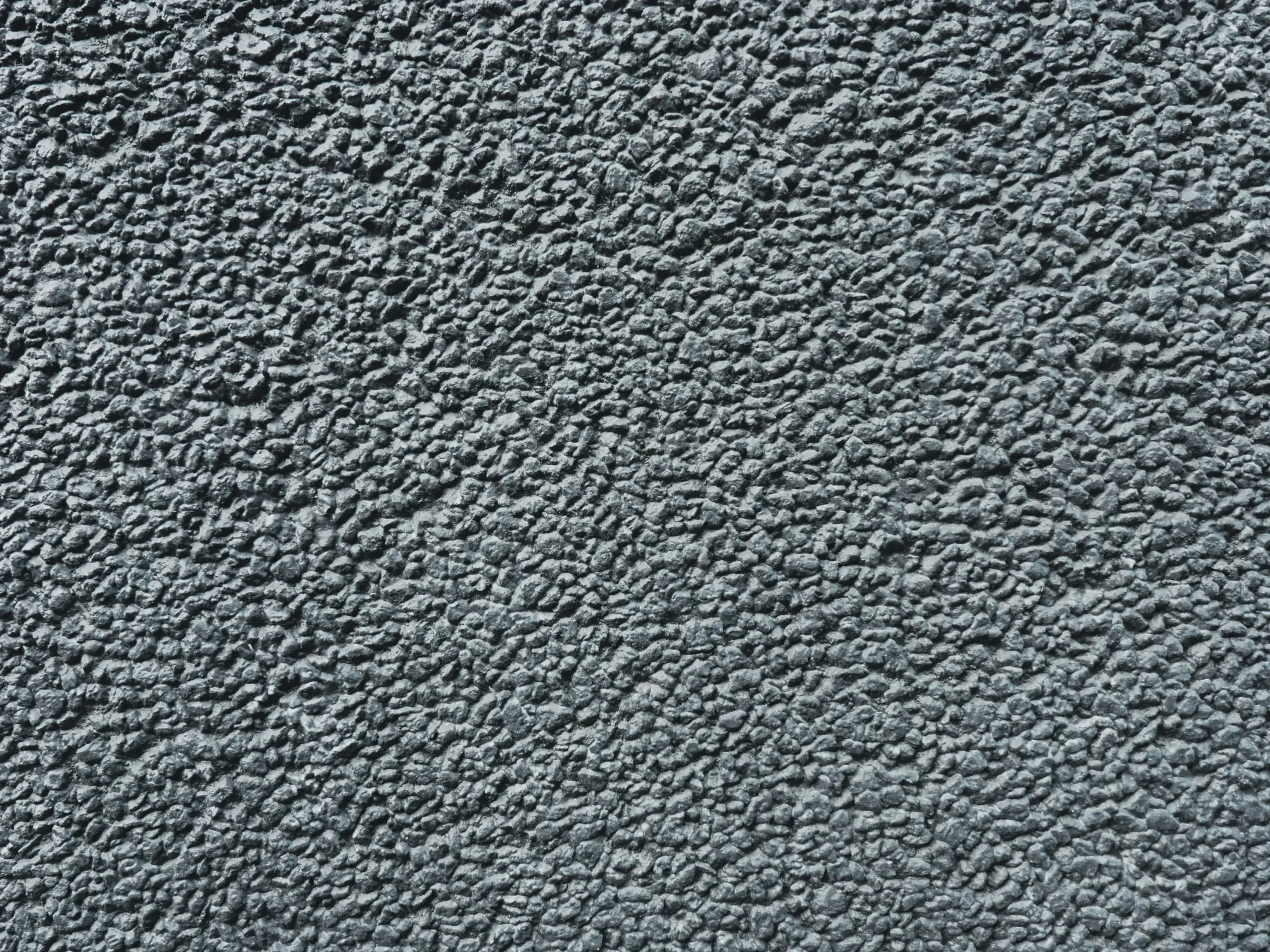
Boucle remains the anchor for structured outerwear, and the production data has not moved: a lined boucle jacket needs 380-450 g/m². Below 330 g/m² the shoulder seam puckers, and above 520 g/m² the armhole crackles unless you add seam tape. Designers who want the Chanel-style look at a lighter weight should plan for unlined silhouettes or accept the seam engineering work, not the other way around.
Sourcing boucle for FW26-27 favors the stock-first route. Ready-stock boucle ships in 3-7 days at a 100-meter tier, which lets you test colorways against real pattern blocks before committing. Complex custom boucle runs take 6-8 weeks because they tie up specialized looms with higher yarn waste, so any exclusive boucle texture for the season needs to be booked well ahead of the garment production window.
Tweed: Heritage Construction, Updated Weights
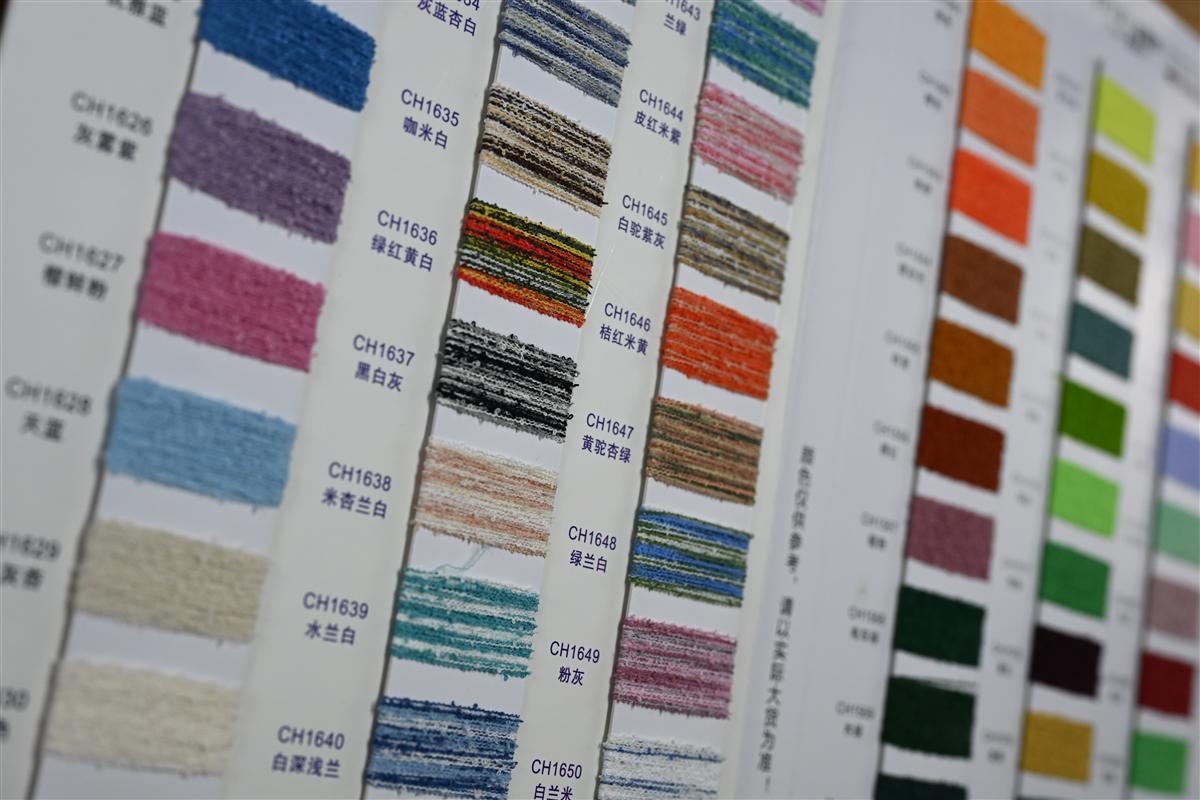
Tweed’s role this season is heritage with a lighter footprint. Stock tweed for structured jackets typically sits at 320-360 g/m², comfortably inside the range that holds a tailored shoulder without the weight of an overcoat. The signature remains the yarn-dyed fleck: colored yarns mixed at the spinning stage create the heathered depth that piece-dyed fabric cannot reproduce, which is why the yarn bank matters as much as the loom.
For coats, the 450-600 g/m² band carries the silhouette, and it demands full lining plus shoulder interfacing to survive production. The buying pattern we see for FW26-27 is a two-tier tweed plan: stock tweed for jackets in the 320-360 g/m² band, custom tweed for hero coat colors at 300 meters, with Pantone matching and a 0.5 Delta E dye lot approval before bulk.
Cable Knit: The Volume Replenishment Lane
Cable knit is the quiet volume winner of the season. The construction averages 20,000+ Martindale abrasion cycles, versus 15,000-18,000 for typical boucle, which makes it the safer choice for garments that see real wear: knit coats, cardigans, and anything a customer will machine-wash. Bulk cable programs run 4-6 weeks, faster than complex boucle, and the fabric replenishes well because the yarn is stable and the knit structure is repeatable.
The knit-coat direction pulls cable into outerwear weight. Fursone’s heritage cable knit range and knitted overcoat fabrics are both available from stock, which matters for a season where sell-through data arrives late and reorders must move in days, not months. If your program needs a fabric that restocks, cable knit is the lane.
FW 2026-27 Fabric Directions at a Glance
| Direction | Role | Weight guidance | Sourcing lane |
|---|---|---|---|
| Boucle | Structured jackets, tactile statement | 380-450 g/m² lined | 100m stock 3-7 days; custom 6-8 weeks |
| Tweed | Heritage tailoring, flecked color | 320-360 g/m² jackets; 450-600 g/m² coats | Stock for jackets; 300m custom for coats |
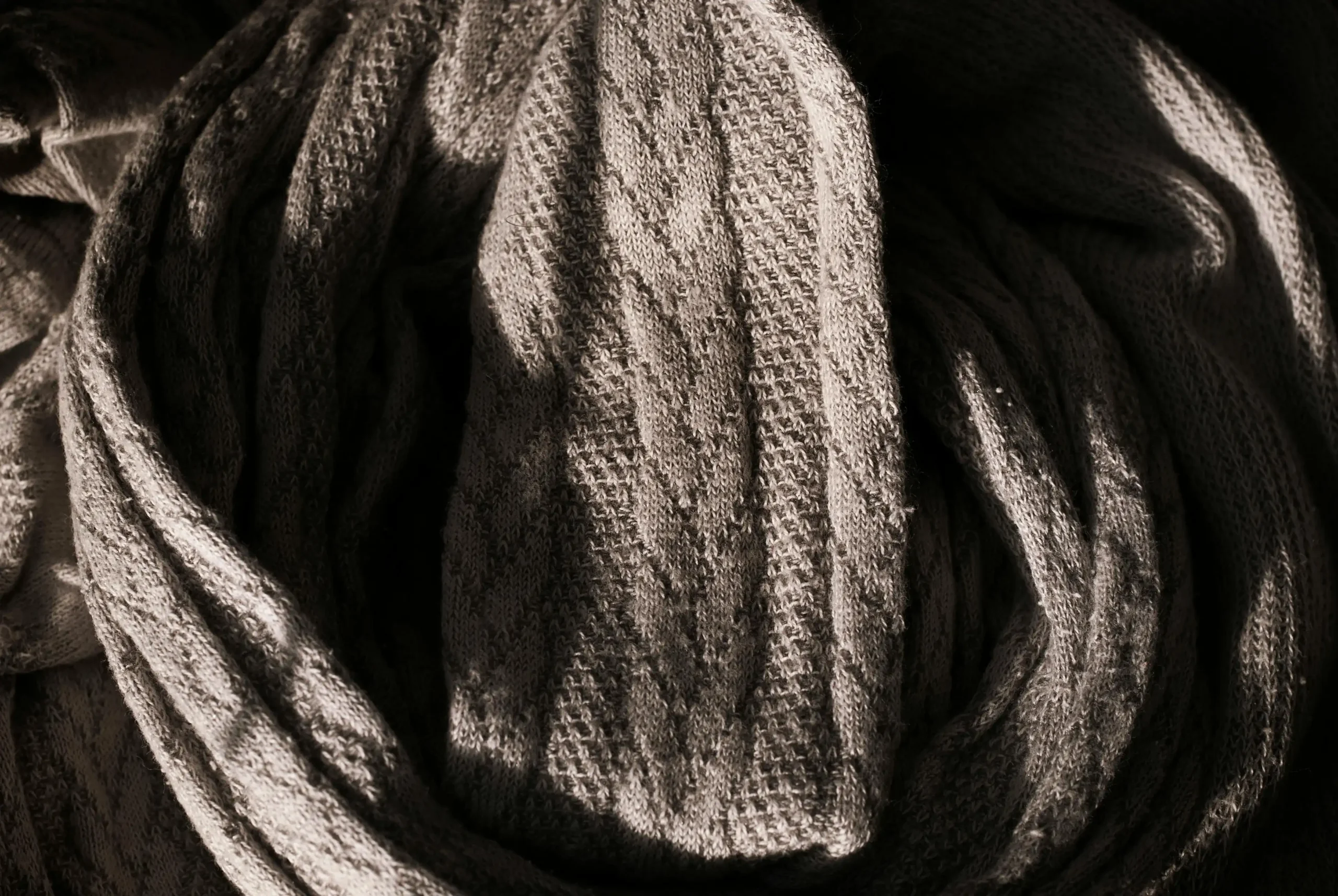
| Cable knit | Volume knit coats and cardigans | Confirm GSM for outerwear weights | Stock plus 4-6 week bulk replenishment |
Color and Finish Directions
Color for FW26-27 rewards depth over novelty. Yarn-dyed flecks in warm neutrals, browns, and muted greens carry the heritage story, while metallic accents stay confined to evening and bridal programs our metallic tweed holiday 2026 forecast where the occasion justifies the yarn cost. The practical advantage of the yarn-bank model is speed: with 200+ pre-dyed colorways on hand, a brand can build a six-color flecked palette without a single custom yarn order.
Finishing will separate the season’s winners in the hand. Standardized finishing keeps the surface consistent across batches, and that consistency is what your QC team actually checks at the cutting table. Chemical safety is a baseline, not a differentiator: OEKO-TEX Standard 100 certification covers more than 300 substances, and retailers expect the report with the shipment. If you plan a soft-hand boucle or a brushed cable, write the finish into the spec at the dye lot gate; finishing changes after bulk are a rework, not a tweak.
When to Order: The FW26-27 Calendar
The calendar for FW26-27 custom fabric starts with a 7-day sampling round, moves to dye lot approval in weeks 2-3 at 0.5 Delta E, and reaches bulk production in weeks 4-6. That means a custom boucle or tweed order needs about six weeks of runway before your garment factory can cut. Complex boucle textures should be booked at the top of the window, because the specialized-loom queue is the first thing to fill in the season.
Stock lanes compress the back half of the calendar. A 100-meter stock order placed today with Fursone ships in 3-7 days, which is how brands cover a sell-through surprise or a cancelled custom program without losing the season. The discipline for FW26-27 is to use stock for what is proven and custom for what is exclusive, and to never let a hero color live on the stock shelf where a competitor can buy the same rolls.
How to Lock the Forecast Into a Spec
- Write the GSM band per garment: 380-450 g/m² boucle jackets, 320-360 g/m² tweed jackets, 450-600 g/m² coats.
- Choose yarn-dyed flecked colors from the 200+ colorway bank for speed, or book custom Pantone at 300 meters.
- Confirm the finish at the dye lot gate, not after bulk; finishing changes are rework.
- Book complex boucle 6-8 weeks out; cable and plain tweed programs fit the 4-6 week lane.
- Keep a stock lane open for replenishment; 3-7 day shipping covers late sell-through data.
Fursone’s Chanel-style tweed line covers the boucle and tweed sides of this forecast from stock, and the cable knit vs boucle construction guide lays out the durability data behind the volume decision. For the full weight logic behind the bands above, the tweed weight chart is the reference to keep beside your spec sheet.
Frequently Asked Questions
What fabrics lead Fall/Winter 2026-27?
Boucle for structured outerwear, classic tweed for heritage tailoring, and cable knit for volume knits. Each has a distinct weight band and sourcing lane.
What GSM should FW26-27 boucle jackets be?
380-450 g/m² for lined jackets. Below 330 g/m² shoulder seams pucker, and above 520 g/m² armholes crackle unless seam tape is added.
How far ahead should I order FW26-27 fabric?
Custom bulk needs about 6 weeks: 7-day sampling, dye lot approval in weeks 2-3, and production in weeks 4-6. Complex boucle needs 6-8 weeks.
Is boucle or cable knit better for a knit coat?
Cable knit is the safer volume choice, averaging 20,000+ Martindale cycles versus 15,000-18,000 for typical boucle, with faster 4-6 week bulk runs.
Can I get yarn-dyed flecked colors without a custom run?
Yes. The mill’s yarn bank holds 200+ pre-dyed colorways, so flecked palettes ship from stock while custom Pantone colors require the 300m tier.
Conclusion
The fall winter 2026 fabric forecast resolves into three lanes: boucle at 380-450 g/m² for structured outerwear, tweed at 320-360 g/m² for heritage jackets, and cable knit for volume replenishment. Each lane has its own lead time, and the season rewards the brand that plans them separately.
- Book complex boucle 6-8 weeks out; run cable and plain tweed on the 4-6 week lane.
- Use the 200+ colorway yarn bank for flecked palettes; reserve custom Pantone for hero colors.
- Keep a 100m stock lane open for 3-7 day replenishment through the season.
If you want to translate this forecast into a production plan for your FW26-27 line, send your garment list and target weights, and our team will return a stock-versus-custom plan within the 7-day sample window.
For the construction-level detail, see our cable knit vs Aran knit stitch guide.
For the construction-level detail, see our quiet luxury tweed guide.

Related Insights

Tweed and Boucle for Spring 2026: Lighter Weights and Softer Palettes
Tweed’s migration out of the winter wardrobe is now a settled pattern: buyers who once...

Building a Fall Capsule Around One Tweed: The Six-Piece Math
Small fashion brands do not lose money on tweed because they picked the wrong color....

Tweed Accessories Programs: Caps, Bags and the Offcut Economy
The fastest-growing piece of many tweed programs is not the jacket. It is the 40-dollar...