
The selvedge, the finished edge running along both sides of a fabric roll, is the most information-dense strip on the goods, and most buyers step right over it. Woven into that few centimeters are the mill’s identity, the fabric’s usable width, the design’s repeat alignment and a set of quality signals you can read before cutting a sample. Learning to read the selvedge takes minutes and pays out across sourcing conversations, inspection days and dispute resolution. This guide walks through what is marked on the selvedge, what its condition tells you, and how to use it as evidence.
What the Selvedge Legibly Tells You
Start with the printed or woven markings. Most mills mark brand or mill name, fabric article or style number, and sometimes composition and lot identity along the edge; these are the traceability anchors you match against quotes and delivery notes when rolls arrive. The selvedge is also where color-matching codes appear on some programs, tying the roll back to its approved lab dip. If the markings on delivered rolls do not match the paperwork, that is not a printing nuisance; it is a traceability break that justifies holding the goods until the mill explains the substitution. Width, marked or measurable between selvedges, connects directly to consumption math, which we break down in the fabric width and yardage guide.
Reading Edge Condition as a Quality Signal
The selvedge’s physical condition is a compressed quality report. A firm, even selvedge with no puckering indicates stable warp tension during weaving; wavy or drawn-in edges predict the same tension problems showing up as bowing or skew in the body. Loops or loose threads on the edge point to leno or selvedge-yarn issues that sometimes migrate into the first centimeters of usable width. Dye or print bleeding across the edge can foreshadow crocking problems in the body. None of these signals replaces a proper inspection; they tell you where to spend your inspection minutes, and they give inspectors a vocabulary for what they are seeing. The structured way to spend that time is the 4-point inspection system, which converts edge and body defects into scored deductions, and the defect-classification thinking behind it aligns with the standard test and inspection practices published by bodies such as ASTM International for textile materials.
Selvedge Types and What They Change Operationally
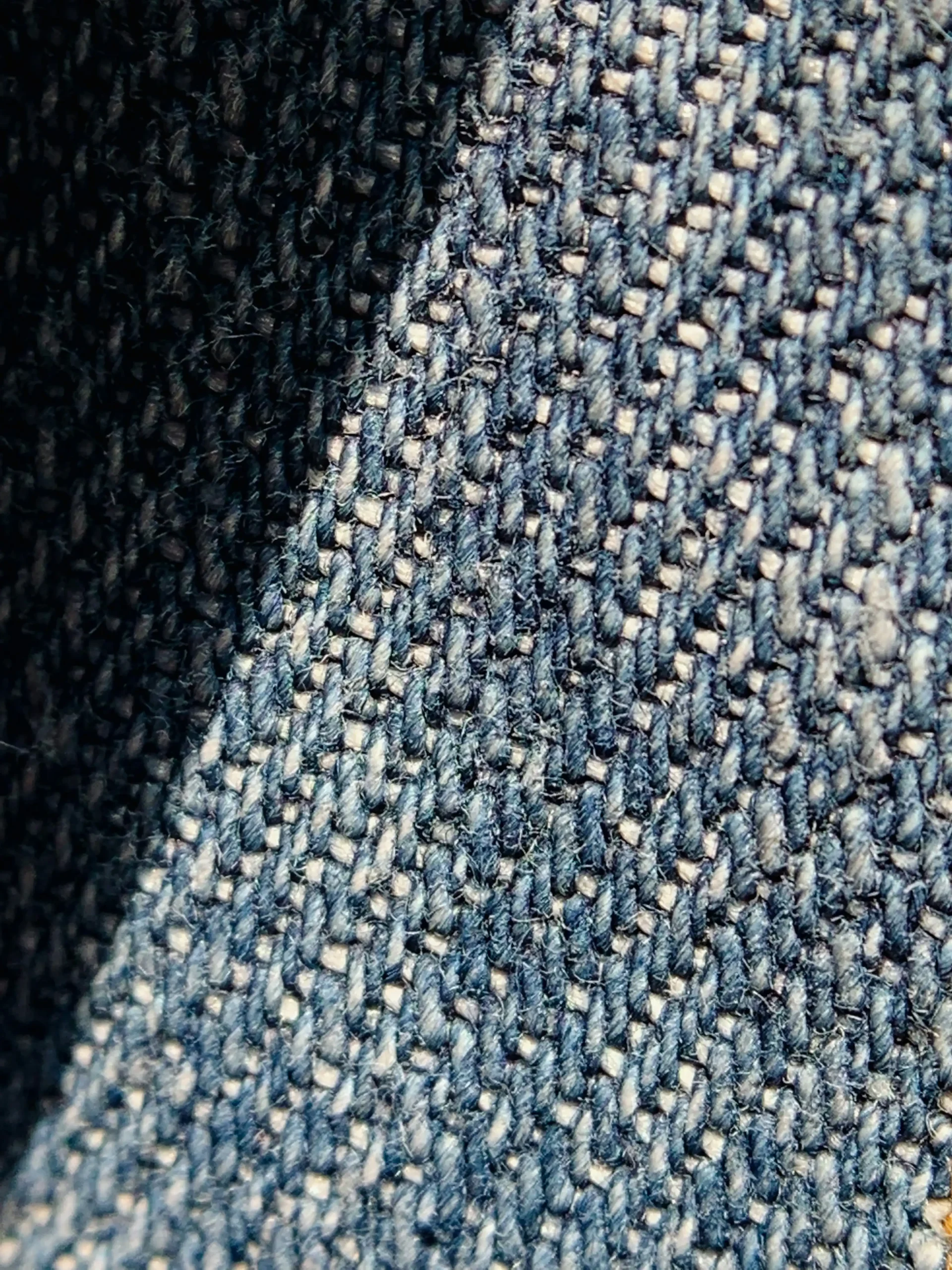
Not all edges are the same construction, and the type affects your cutting room. Woven selvedges with a chain or tuck-in finish are standard on quality wovens and tweeds, stable enough to sew or fold into the garment on premium goods. Knit fabrics come in tubular or slit-open forms, and the “selvedge” on open-width knits is a cut edge that demands immediate attention to curling. Fringed edges on some decorative wovens are intentional and should be quoted as such, not flagged as defects. Knowing the expected edge type for a construction prevents two opposite mistakes: rejecting an intentional edge, and accepting a sloppy one because it looked decorative.
Using the Selvedge in Disputes and Claims
When a claim does arise, the selvedge strip is your evidence kit. Photograph it full-length with the markings visible, alongside the roll tag and the invoice number, before any cutting happens on the roll. Tension defects, width shortfalls and marking mismatches all document cleanly from the edge, and mills resolve claims faster when the evidence is unambiguous. That is also why rolled-goods grading systems record edge defects per roll; the A, B and C roll grading explainer shows how edge condition feeds the letter a roll receives. For buyers building an inspection checklist from scratch, the selvedge section belongs next to the width measurement, and both live inside the fabric sourcing guide workflow we use for incoming goods.
Video: Fabric Development from the Mill Floor
FAQ
Does the selvedge count toward usable fabric width?
No. Usable width is measured between the selvedges, and consumption calculations should exclude them. Punch holes, fringing and heavier edge yarns make the edge unusable in most garments.
Why do some selvedges have colored threads or markings?
Colored threads and printed codes typically encode lot, article or matching information so rolls can be traced through cutting and claims. Ask the mill for the key once and the edge becomes a readable logbook.
Is a wavy selvedge grounds for rejection?
On its own, not necessarily; it depends on what the body of the fabric shows. Treat it as a prompt to inspect for bowing, skew and tension defects, then let the 4-point scoring decide.
How should I document the selvedge for a claim?
Photograph the full edge with markings visible before cutting, alongside the roll tag and invoice number. Unambiguous edge evidence speeds mill-side resolution for width, tension and traceability disputes.

Related Insights

Fabric Width and Selvedge Lines: Planning Cutting Efficiency Before You Order Tweed
Buyers compare tweed by weight, color and price, and then discover at the cutting table...

Yarn Counts in Tweed: What 2/8 NM Means for Hand, Weight and Cost
Ask three suppliers to quote “a 400 gsm tweed for overcoats” and you will often...

Harris Tweed Certification Explained: What Commercial Buyers Can Learn and Must Not Copy
Harris Tweed is one of the few fabrics whose name is protected by an Act...