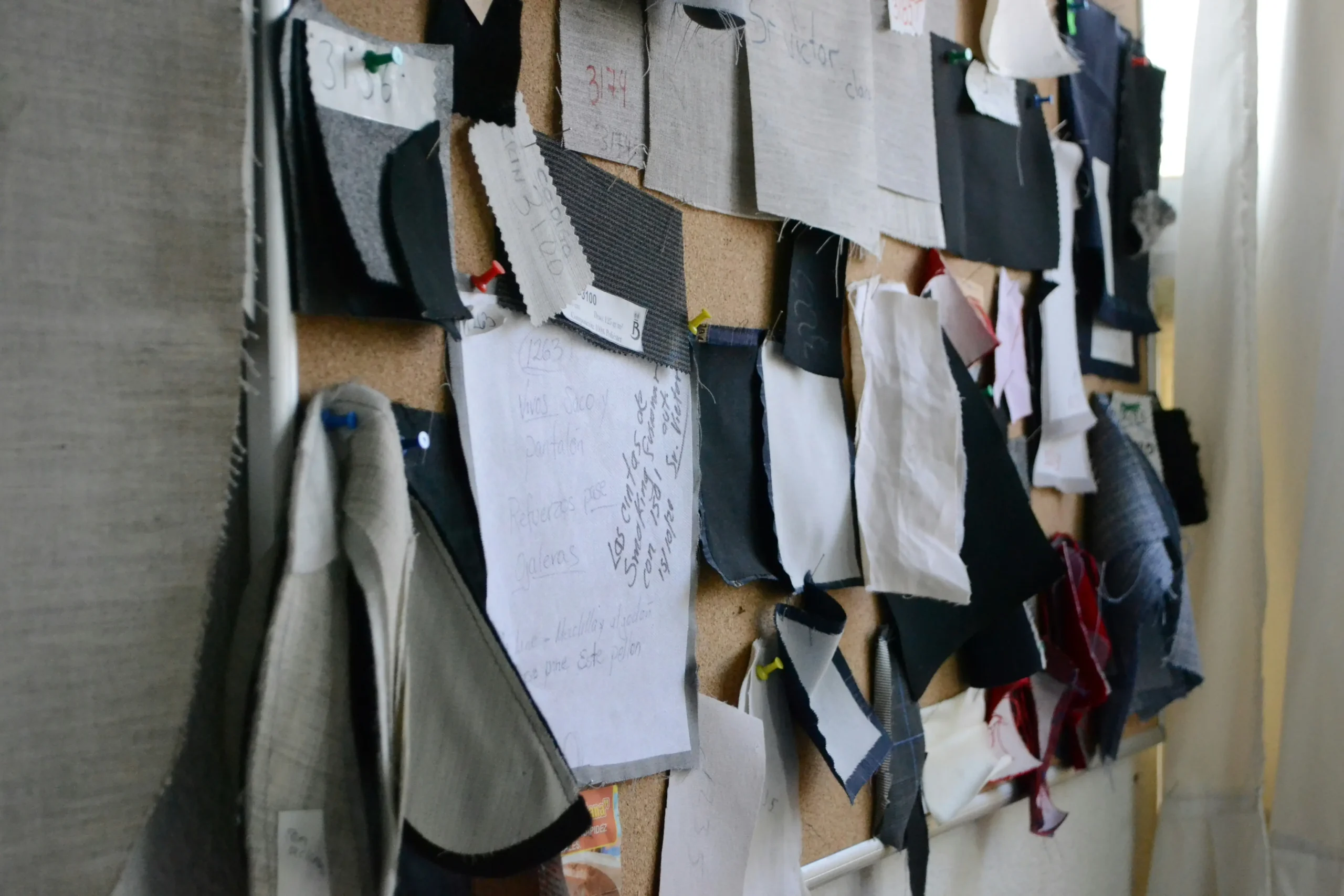
Fabric sampling speed isn’t a luxury for emerging designers—it’s the difference between launching a collection in eight weeks or waiting four months while your seasonal window slams shut. When you’re a sole proprietor funding a first capsule out of pocket, every week of waiting for a physical swatch from a European mill erodes your launch calendar and your cash reserves. Traditional sampling timelines of 4–8 weeks per iteration force you into a corner: either approve fabric without ever touching it, or delay the production timeline into irrelevance. Most new designers can’t afford either option.
The real problem runs deeper than the calendar. Internal data from our Wenzhou mill shows roughly 70% of new designers abandon an initial fabric choice due to sampling delays alone—not because the fabric wasn’t right, but because the wait killed the momentum. That’s a staggering attrition rate, and most mills never see it because they never track it. What’s worse, when a sample finally does arrive, there’s a decent chance it won’t match the bulk fabric anyway. Separate sample rooms run on different looms, different tension settings, different dye batches. The swatch you approved becomes a fantasy reference. A dedicated sample line running on the same production looms—with the same yarn lots and the same finishing—closes that gap entirely. That’s the engineering reality behind a 7-day sampling promise that actually holds up.
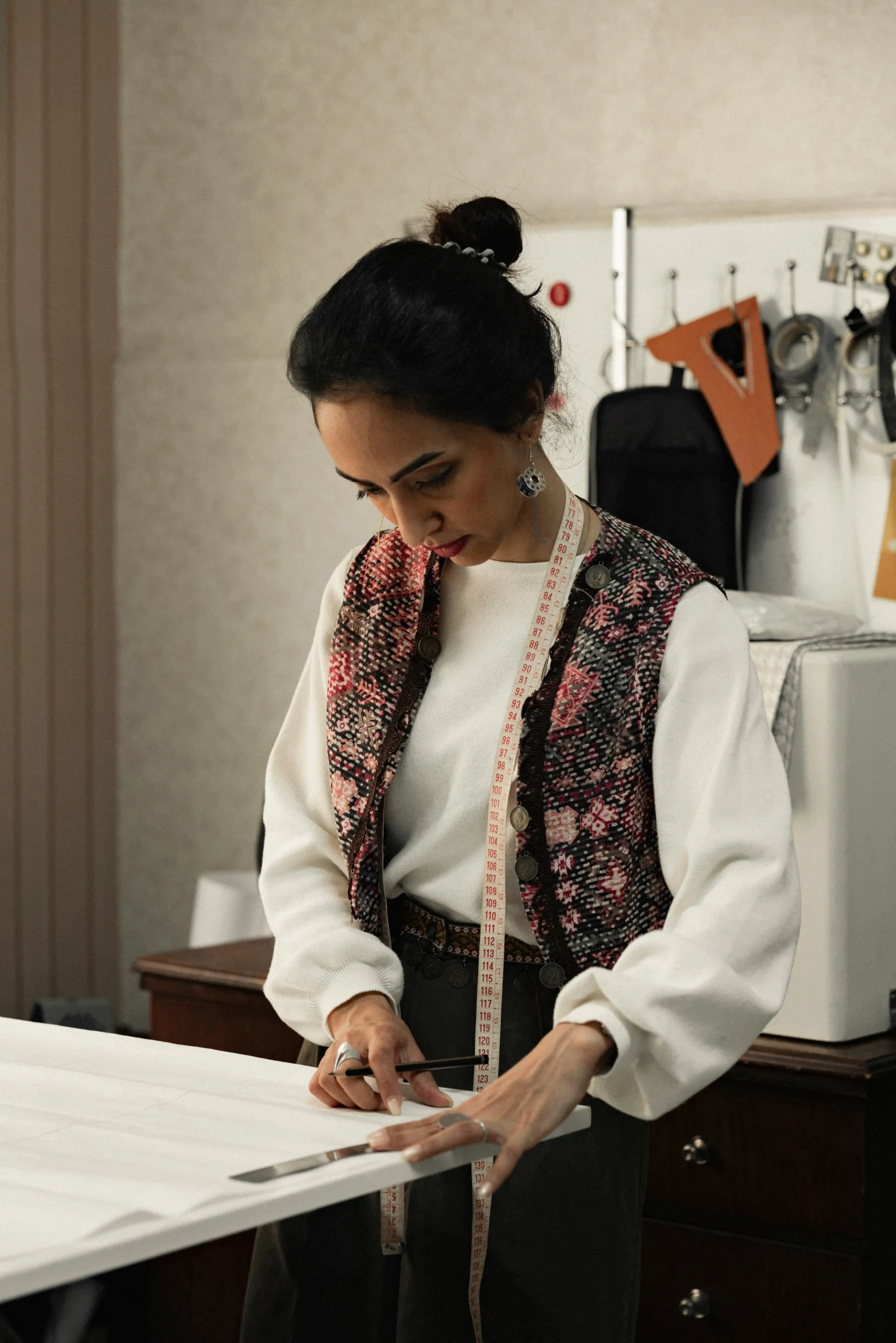
Why Sampling Speed Defines Your Brand Launch
A 6-week sampling round kills an 8-week launch plan before it starts.
Traditional European mills operate on a 4-to-8-week sampling cadence. That timeline assumes nothing goes wrong. If the first swatch arrives and the drape is limp, the color reads flat under retail lighting, or the hand-feel is scratchier than the photo suggested — you reset the clock. Two iterations consume 8 to 16 weeks. For an emerging designer targeting an 8-week concept-to-launch window, the math simply fails. You burn the entire timeline on sampling and never reach production.
The deeper cost is competitive, not logistical. While you wait for a swatch to clear customs, another brand books the same boutique retail slot you were courting. A competitor secures the editorial feature, locks the wholesale account, or ships product into the same seasonal buying window. Sampling speed is not an operations metric — it is a market-access lever. Every week your fabric sits in a queue is a week someone else is collecting purchase orders.
- Design Iteration: Test 3 fabric weights or colorways across 21 days instead of 12 to 24 weeks. Bad concepts die fast; good ones get refined before the buying season shifts.
- Trade Show Readiness: Walk into Première Vision or a wholesale buyer meeting with a physical swatch book, not a mood board. Buyers commit to fabric they can touch, stretch, and hold against skin.
- Pre-Commitment Validation: Sew a toile, photograph it under daylight and track lighting, collect feedback from 5 trusted buyers — all before placing a 1000m bulk order. Fast sampling turns the order decision from a bet into a calculation.
Most mills run sample yardage on dedicated small looms in a separate room. The swatch looks close enough to pass visual approval, but the bulk fabric — produced on high-speed industrial equipment — drapes differently, absorbs dye at a different rate, and ages differently after three dry-clean cycles. The mill delivered what they promised, technically. The fabric just isn’t the same fabric. Fursone runs sample yardage on the identical production looms used for bulk orders. The 7-day swatch you approve is structurally the same material as the 1000m shipment arriving 30 days later. No sample-room magic. No bait-and-switch.
Internal data from Fursone’s sampling program tracks a brutal statistic: 70% of emerging designers abandon a fabric selection entirely when sampling timelines cross the 3-week threshold. They do not abandon it because the textile was wrong. They abandon it because the calendar forced their hand. Sampling fees paid, design hours sunk, zero meters ordered. Fast sampling does not just accelerate a timeline — it converts intent into inventory before the opportunity evaporates.
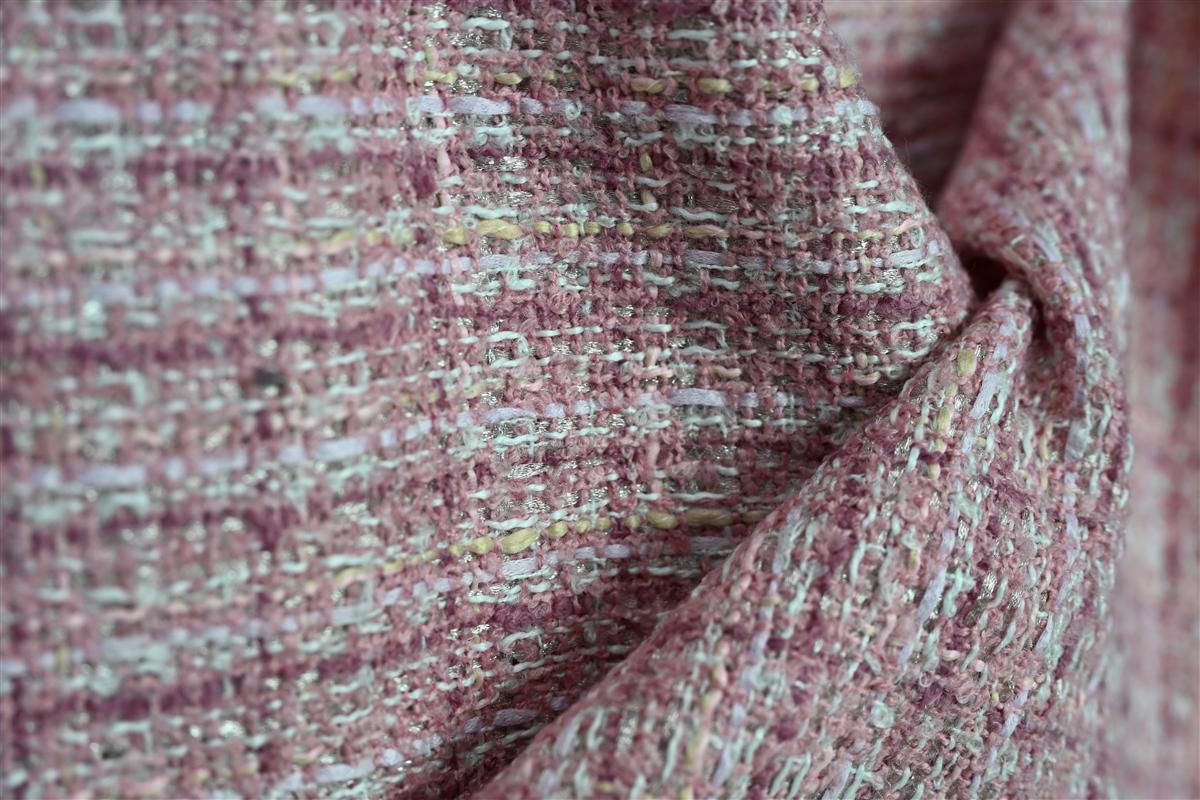
Physical vs Digital Fabric Sampling: Speed Comparison
Digital screening plus physical validation cuts your first sampling round from 4 weeks to under 2.
The debate between digital and physical fabric sampling misses the point. No emerging designer launching a capsule collection can afford to choose one over the other. Digital tools slash iteration time by 70–90% and sampling costs by 60–80%, according to 2026 textile workflow data. But a screen cannot tell you how a bouclé drapes on a body form, or whether that metallic thread irritates skin after three hours of wear.
- Digital sampling speed: Minutes to 1 day per iteration. You can screen 50 textures in an afternoon. Colorways, pattern scales, and yarn simulations render instantly. Cost per digital sample is negligible after software setup.
- Traditional physical sampling speed: 4–8 weeks per iteration from European mills. Each revision restarts the clock. A single fabric with three color adjustments can burn 12 weeks before you see a finished swatch.
- What digital cannot validate: Hand-feel, drape weight, stretch recovery, pilling tendency, and color accuracy under natural light. These are the properties that make or break a garment at wholesale buyer appointments.
- Step 1: Screen 20–40 fabrics digitally. Eliminate anything that fails your color palette, pattern scale, or budget filter immediately.
- Step 2: Shortlist 3–5 finalists and request physical swatches. Target mills with 7-day turnaround so you are not back to waiting a month.
- Step 3: Test drape, sew a toile, check color under showroom lighting. Approve the winner and move to bulk.
- Critical check: Ask whether the sample was produced on the same loom as bulk production. Mills that run samples in a separate sample room introduce discrepancies between what you approve and what arrives in your shipment. If the mill cannot confirm inline sampling, your physical swatch is a promise printed on different equipment.
Here is the number that should reframe your workflow: 80% of emerging designers still require physical swatches for investor presentations and final pattern-making decisions. Venture backers and boutique buyers want to touch the fabric. Pattern makers need to test seam behavior on real material, not a simulation. Skipping physical sampling to save two weeks is how you end up with 300 units of a jacket that bags at the elbow.
The hybrid model solves this tension without compromise. You use digital libraries for the broad elimination round—narrowing 40 options down to 5 finalists in a single afternoon. Then you order physical swatches only for those 5. Instead of waiting 4 weeks for a first batch of physical samples you mostly reject, you wait 7 days for a tight shortlist of fabrics you are genuinely ready to test. Total time from concept to validated fabric: under 2 weeks.
| Metric | Traditional Physical Sampling | Digital Sampling Only | Hybrid Approach (Fursone) |
|---|---|---|---|
| Iteration Speed | 4–8 weeks per round | Minutes to 1 day per iteration | 7‑day physical swatch for finalists |
| Sampling Cost | High (multiple rounds of shipping, labor, waste) | 60–80% lower than physical in early stage | $15–$50 per swatch; bulk saving after digital selection |
| Tactile Validation | Full hand‑feel, drape, and weight check | Visual only – no physical touch reference | Physical swatches for 2–3 finalists; digital pre‑screen |
| Quality Consistency Risk | Separate sample rooms cause bulk mismatch | No physical QC; risk of production deviation | Sample woven on same looms as bulk; inline QC |
| Designer Dropout Rate | 70% abandon due to delays | Still high if physical needed for buyers | Reduces dropout by shortening physical validation to 7‑days |
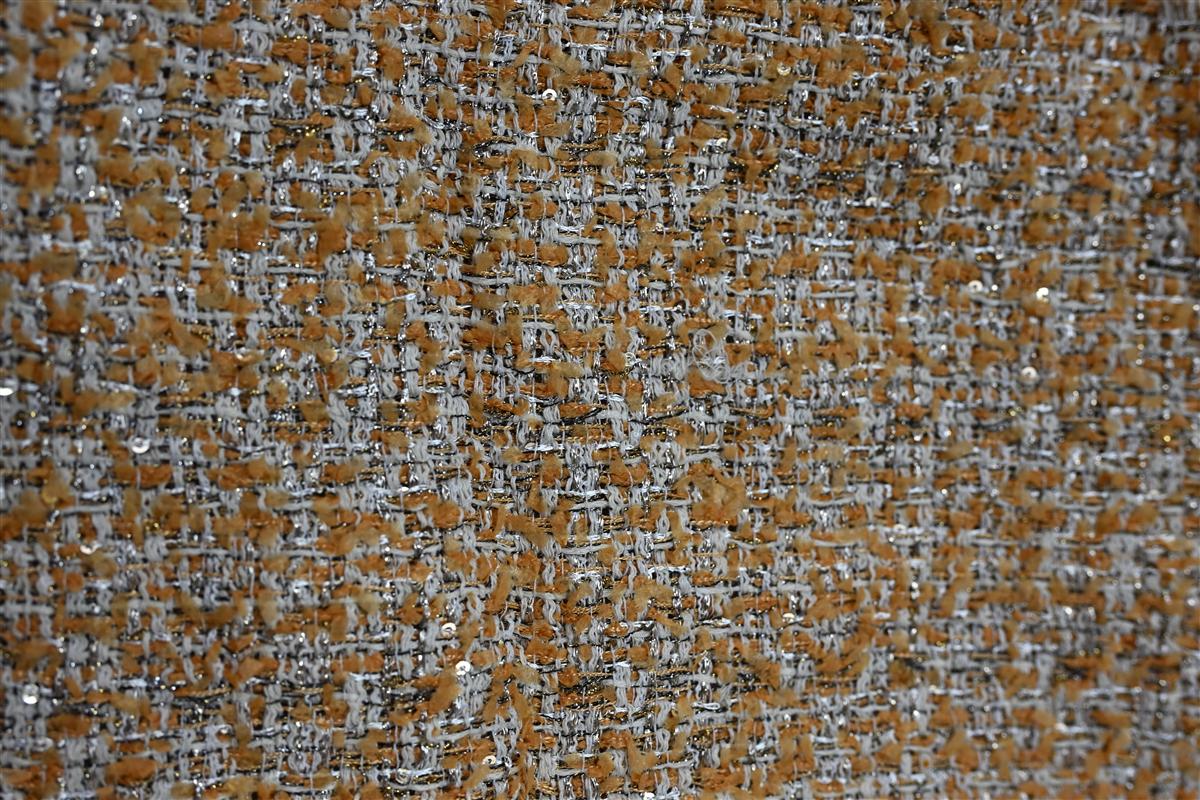
4 Costly Mistakes When Compressing Sampling Timelines
One rushed sampling shortcut can burn your entire production budget.
- Skipping Pre-Production Samples: Designers in a hurry often approve a flat swatch without sewing a full garment sample. When the fabric arrives, unexpected drape stiffness or seam slippage ruins the fit across every piece. Worse, most mills run their sample yardage on separate small looms that produce a different hand and density. A pre-production sample pulled from the same production line as the bulk—like the inline sample system used at Fursone—is the only version worth cutting and sewing. Skip this step and a full run can land in the deadstock pile.
- Approving Without Fabric Strength Tests: A hand feel check tells you nothing about pilling, tear resistance, or surface abrasion. Soft tweeds and lightweight knits that feel luxurious on a swatch can start pilling after as few as three home washes or one dry clean cycle. Perform a Martindale or ICI pilling test, or at minimum request the mill’s in-house tensile and abrasion data. And here’s the trap: test results off a sample-room prototype are worthless if the sample wasn’t produced on the same machinery as the bulk order. Insist on testing the exact production-grade specimen.
- Assuming Sample Cost Equals Bulk Cost: Mills often quote a low per-meter sample price to secure the business, then inflate the bulk quote by 15–30% once you’re committed to the production MOQ. This gap comes from finishing charges, minimum dye-lot adjustments, and warehousing. Before you greenlight a collection budget around a sample invoice, demand a written bulk cost breakdown for the same quality grade and width. No binding quote, no bulk commitment.
- Skipping Colorfastness Tests: A dark tweed that bleeds onto a white lining or a bright knit that fades after two washes can trigger mass returns and chargebacks. Insist on ISO 105-C06 wash fastness and ISO 105-X12 rub fastness results before accepting a color match. Mills that rush dye lots for fast sampling often skip post-dye fixation checks. Without a certificate of analysis tied to the sample you approved, you’re gambling that the dye bath at scale behaves like the 50-gram lab cup.
| Mistake | Hidden Risk | Budget Impact | Prevention |
|---|---|---|---|
| Skipping Pre-Production Samples | Fit mismatches and construction flaws go undetected until bulk production runs | 5–10% of total production budget lost to rework or defective inventory | Always request a production-grade sample sewn on the same looms as bulk orders |
| Approving Without Fabric Strength Testing | Pilling, tearing, or seam slippage after minimal wear cycles—damaging brand reputation | Returns and chargebacks can erase margins on an entire collection | Test abrasion resistance (Martindale) and tensile strength before signing off |
| Assuming Sample Costing Equals Bulk Pricing | Mills frequently revise pricing upward by 15–30% when the bulk PO arrives | Sudden cost overruns force compromises on trims, packaging, or margin | Lock in bulk pricing in writing during the sample approval stage |
| Ignoring Colorfastness Verification | Fabric that looks flawless in a sample may bleed dye or fade after consumer laundering | Entire bulk batch can become unsellable, wiping out the fabric investment | Require an ISO 105-C06 colorfastness report with every physical swatch |
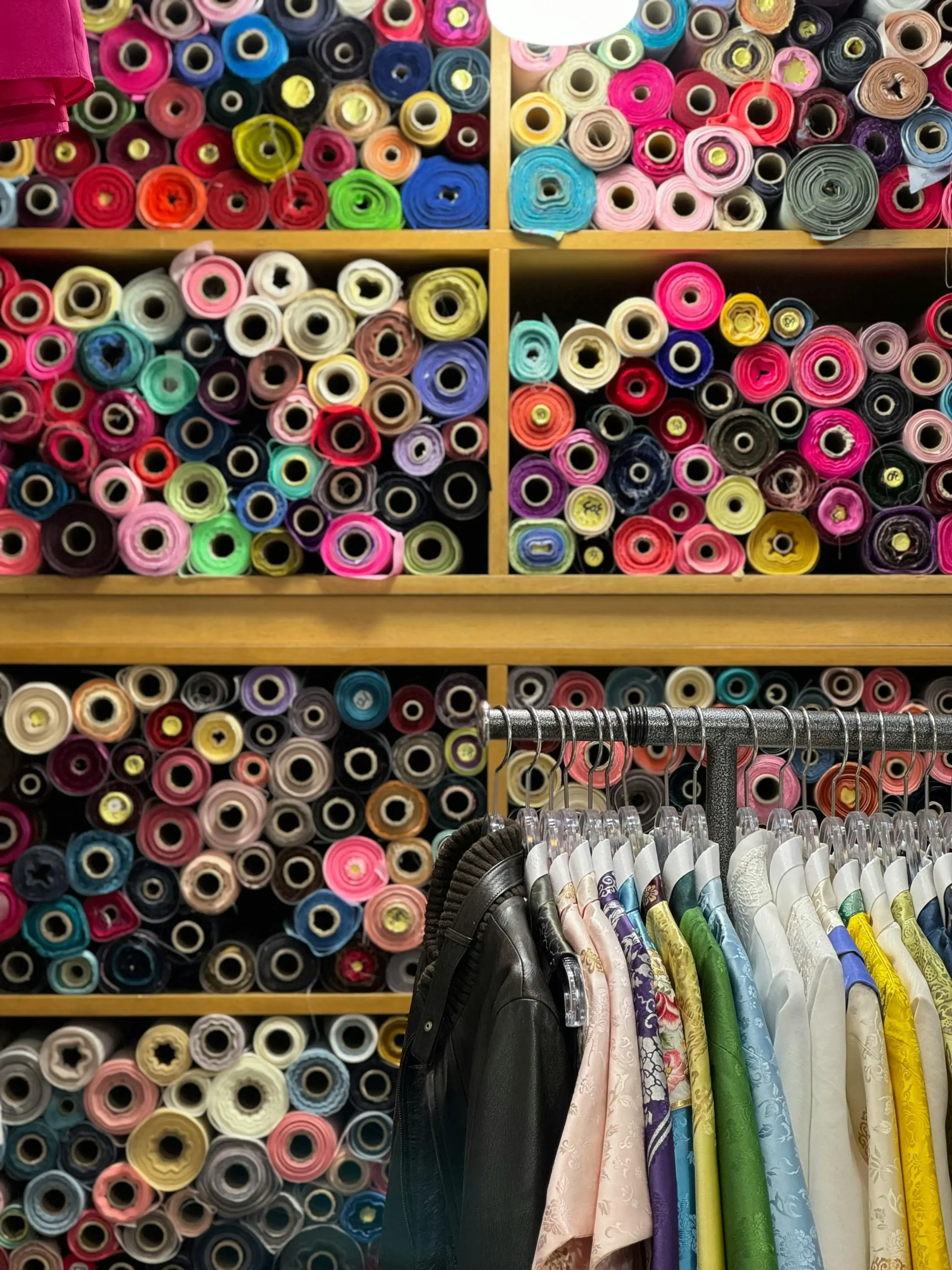
How to Evaluate a Mill’s Sampling Speed Promise
A “7-day” promise without same-loom verification means nothing.
When a mill says “fast sampling,” they’re usually describing sample-room speed — not production speed. The sample room runs smaller, faster looms with different tension settings than the bulk production line. What arrives at your studio feels like a luxury fabric. What arrives in your bulk shipment? Different drape, different hand-feel, and a conversation you don’t want to have with your pattern maker.
This is the first question you ask any mill claiming rapid turnaround: “Is this swatch produced on the same loom that will run my 1000-meter order?” If the answer is vague, you’re holding a prototype, not a production sample. Separate sample rooms are the industry default because they’re cheaper to operate and easier to schedule — but they introduce a discrepancy that can cost you your entire production budget if caught too late.
- Verify same-loom production: Ask the mill to confirm in writing that your sample will come off the identical machine — same gauge, same tension calibration, same operator shift — that runs bulk orders. A separate sample loom produces fabric with different selvedge density and yarn elongation. Your pattern maker will notice. Your customer will notice.
- Demand a Certificate of Analysis: A Certificate of Analysis (COA) documents measured values for weight (GSM), colorfastness (ISO 105-C06), shrinkage, and composition. Without it, you’re approving an aesthetic, not a specification. Any mill serious about quality control provides a COA as standard — not as a special request.
- Confirm rush shipping at no extra cost: Some mills deliver a sample in 7 days but then ship it economy, adding 2–3 weeks in transit. Ask if the sampling timeline includes door-to-door delivery via air courier. A genuine speed promise covers the entire chain, not just in-house production days.
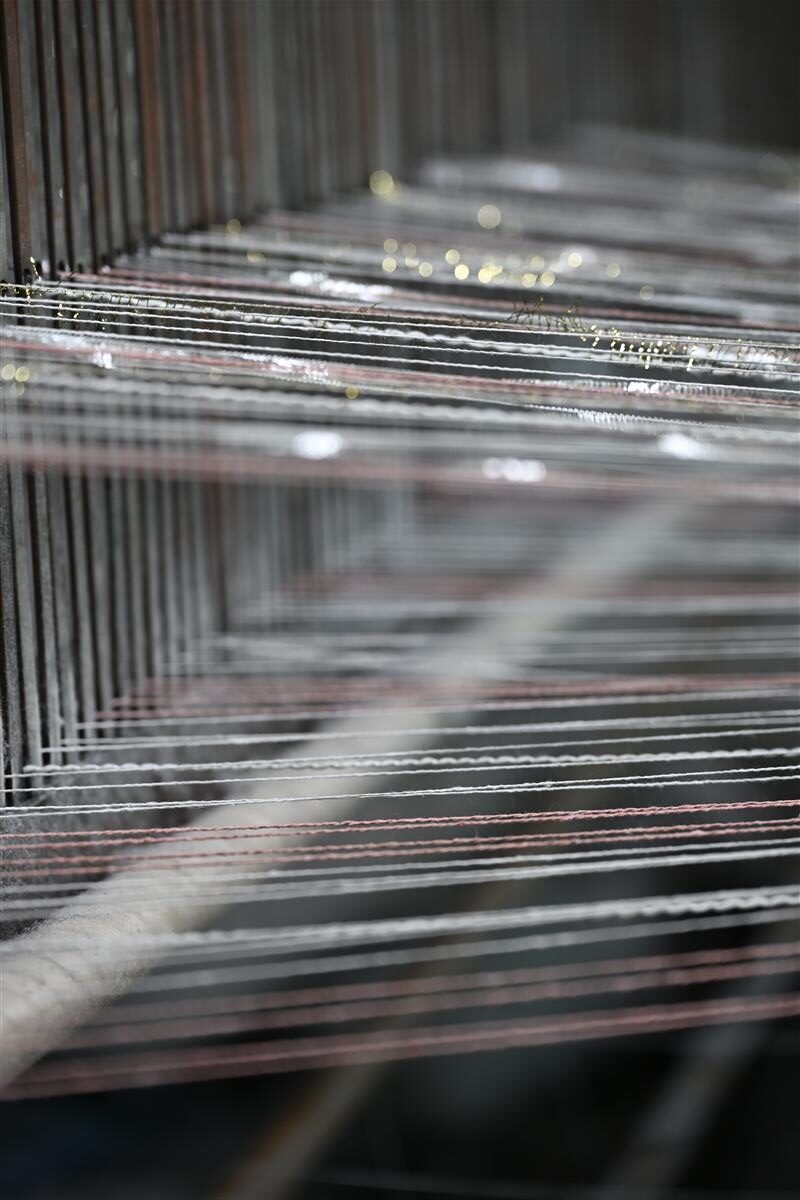
Fursone’s Wenzhou facility doesn’t maintain a segregated sample room for their tweed and knit collections. The 7-day rapid sampling runs on the same industrial looms that handle bulk orders from 100 meters to 10,000 meters. Thread count, yarn tension, selvedge finish — all identical between your swatch and the fabric that arrives in your production shipment. Inline quality control enforces this match: sample data is logged against the same machine parameters used for bulk, so there’s no room for drift between what you approve and what you receive.
Smart Sampling Workflow for Emerging Designers
Three weeks from concept to production-ready fabric isn’t a target—it’s your new baseline.
The traditional sampling timeline kills small brands. Wait 6 weeks for European swatches, discover the drape is wrong, wait another 6 weeks for round two—and your launch window evaporates. The workflow below compresses what normally takes 8–12 weeks into 18 days. It only works when your supplier has stock ready to cut and ship, not when they spin yarn to order.
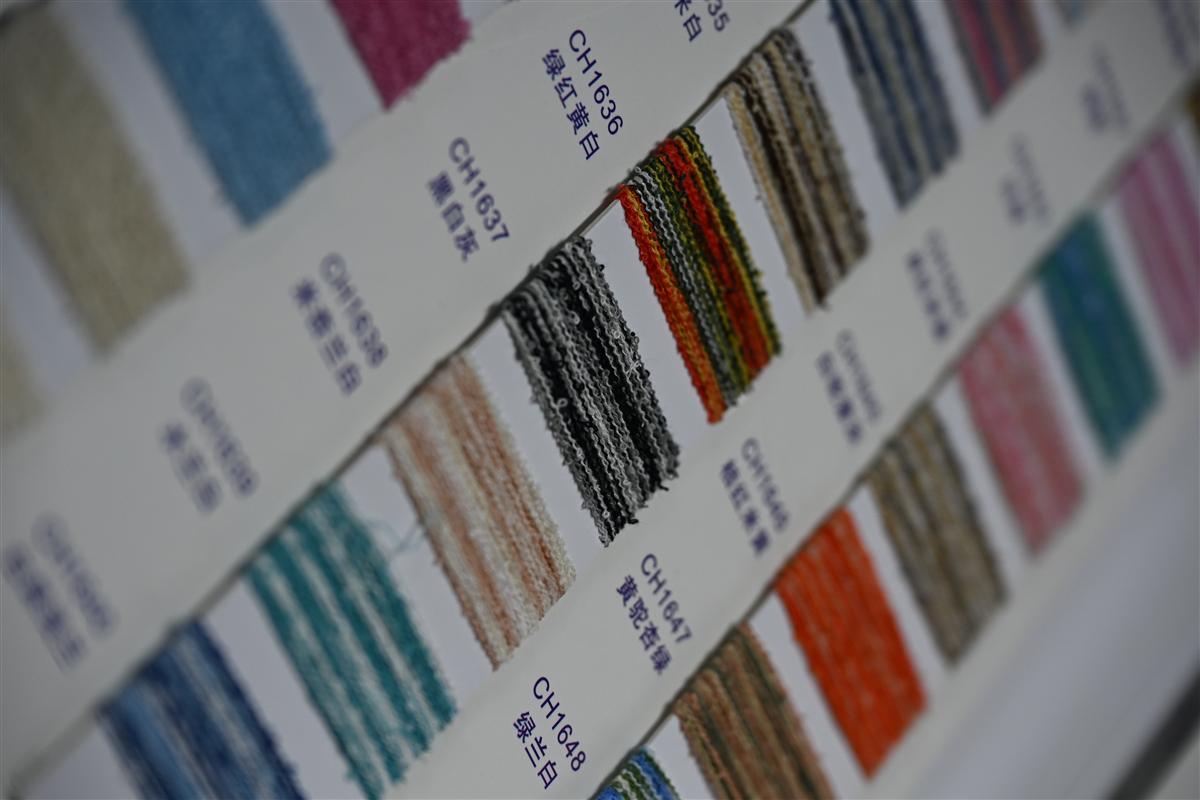
- Step 1: Browse digital libraries first: Fursone’s online catalog shows 100M meters of in-stock fabric across six collections—Chanel-style tweeds, heavyweight bouclé, structured cable knits, fancy yarn blends, metallic series, and eco-sustainable knits. Filter by weight (120–600 GSM), composition, or color group. Digital filtering eliminates 80% of fabrics before you spend a dollar on shipping.
- Step 2: Select 3–5 fabrics, not 20: New designers over-sample because they lack conviction. Pick fabrics that share a common theme—color story, texture family, weight range—so every swatch earns its place in the collection. If you cannot articulate why a fabric made the shortlist in one sentence, cut it.
- Step 3: Order physical swatches with 7-day turnaround: Your swatches land on your desk before a European mill would confirm your order. Cost runs $15–$50 per swatch depending on complexity—a bouclé with multiple yarn types costs more than a plain-weave tweed. You are not paying for samples; you are paying to eliminate production risk.
- Step 4: Test drape, sew a toile, evaluate color under multiple light sources: Check drape on a body, not a hanger. Evaluate color under daylight, showroom spotlights, and evening ambient light—the fabric that looks perfect under studio LEDs can look dead on a retail floor. Run a quick ISO 105-C06 colorfastness rub test if the fabric carries saturated dyes. This is the step where 70% of new designers who skip sampling would have caught their fatal fabric choice.
- Step 5: Approve and move to bulk with the same fabric and supplier: This is where most mills fail. Separate sample rooms produce a beautiful swatch that the production line cannot replicate. When sample and bulk fabric come off identical looms, the swatch you approved is the fabric you receive—no dye-lot variation phone calls, no post-production excuses.
The entire sequence—digital browse, physical swatch order, testing, approval—fits inside three weeks. For a designer launching a capsule collection on an 8-week timeline, this leaves five weeks for production, finishing, and logistics. That margin is the difference between a calm launch and a panic-driven compromise on fabric quality.
Conclusion
A seven-day sampling turnaround gives you something no digital render can match: a physical swatch in hand before your production window closes. That swatch tells you whether the tweed drapes the way your pattern needs it to, whether the bouclé pills under friction, whether the dye lot matches your trim cards. Fast sampling is not a convenience—it is the only cost-effective insurance against a production run that arrives wrong.
Browse the in-stock tweed and knit collections to request a swatch. From concept approval to a physical sample in your studio, the timeline can be under two weeks.
Frequently Asked Questions
What is the 7 point system in garment industry?
The 7 point system is a fabric inspection standard that classifies defects by size and severity to decide roll acceptability. It helps brands catch quality gaps between approved samples and bulk shipments before cutting. Use it to protect bulk quality after sampling.
Why is sampling important in textile testing?
Sampling is important because it uncovers material flaws and performance issues before bulk, saving you from errors that can cost far more than the sample itself. A quick test on the sample reveals how. Test the sample rigorously to avoid bulk disasters.
What is fast fashion and how does it relate to fabric production?
Fast fashion relies on extreme speed-to-market, which forces fabric mills to support low minimums and rapid turnaround. Without stock that ships in 3-7 days and sampling in one week, brands cannot respond to. Speed and low MOQ are non-negotiable for fast fashion.
What is sampling in fashion?
Sampling in fashion is producing small physical references—swatches or prototypes—to validate a fabric’s hand, color, and construction before mass production. It gives you a tactile proof that bridges design intent and factory reality. Never skip sampling; it’s your cheapest quality check.
What are the five reasons for sampling?
The five reasons to sample are: verify hand-feel and drape, confirm color accuracy, test shrinkage and weight, avoid a failure that costs 10x the sample price, and meet your launch deadline. Skipping even. Cover all five to keep your collection on track.
Authoritative References
Related Insights
RFQ Template for Tweed and Knit Fabric: 12 Fields for Accurate Quotes
An incomplete fabric RFQ wastes everyone’s time. The mill quotes based on assumptions, the buyer...
How to Evaluate a Tweed Mill for Quality Fabric
{ “@context”: “https://schema.org”, “@type”: “Article”, “headline”: “How to Evaluate a Tweed Mill for Quality Fabric”,...
Direct Mill vs Wholesaler: Cut Fabric Sourcing Risk
{ “@context”: “https://schema.org”, “@type”: “Article”, “headline”: “Direct Mill vs Wholesaler: Cut Fabric Sourcing Risk”, “author”:...