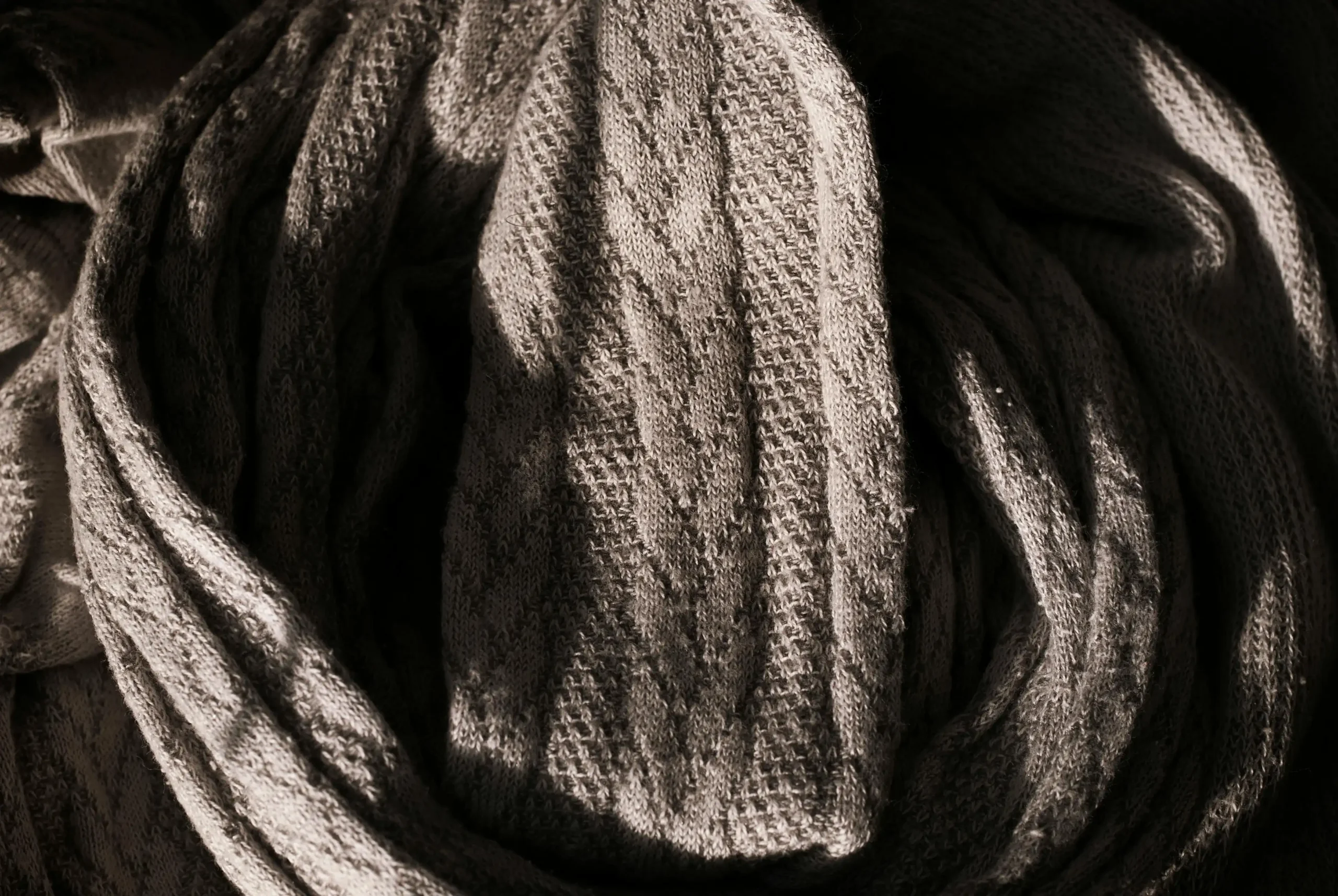
tweed fabric quality benchmarks is the first checkpoint buyers should lock before they approve a supplier, budget, or production slot. You approved the pre-production sample, signed off on the lab dip, and watched the FOB pricing line up with your margin model. Three months later, when the bulk shipment lands at your DC, you unroll a bolt of tweed that looks like it was woven in a different colorway. The jacket bodies cut from roll one don’t match the sleeves cut from roll four. This isn’t a fabric defect — it’s a dye-lot variation problem, and it accounts for roughly 80% of quality complaints observed across a decade of supplier audits. That experience demonstrated that tweed fabric quality benchmarks aren’t just about GSM or hand-feel; they start with understanding where and how the yarn is dyed.
Most sourcing managers focus on weight specs and weave density when evaluating tweed fabric quality standards for jackets. Those matter — but they miss the critical filter: whether the mill controls its own dye process. A mill that buys yarn off the open market can’t guarantee lot-to-lot consistency, and they certainly can’t offer an exclusive texture. If a brand relies on a specific melange effect or multi-tonal heathered look, an in-house dye lab isn’t a nice-to-have; it’s the difference between a collection that sells through at full price and one that hits the markdown rack because panels don’t match.
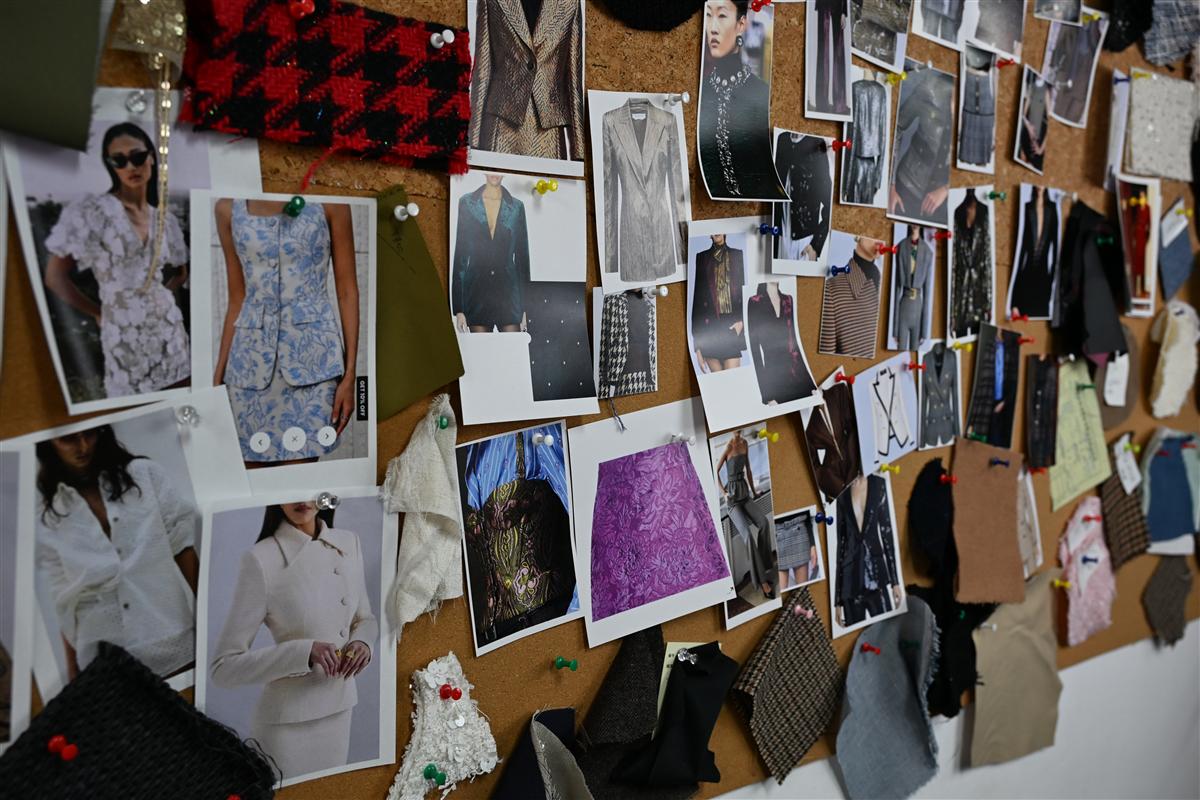
Tweed Fabric Quality: The Non-Negotiable Benchmarks
80% of tweed quality complaints trace back to dye-lot variation, not fabric defects.
When you’re sourcing tweed for a 1,000-piece jacket run, the yarn origin and composition determine everything from drape to durability. Most mills buy off-the-shelf yarns from the open market, which means your custom texture could be sold to a competitor next season. Premium mills spin their own slub, bouclé, and chenille yarns in-house, guaranteeing exclusive textures and consistent fiber quality. Australian Merino wool gives a soft hand with high resilience, while Japanese lurex adds metallic sheen without tarnishing. For a structured Chanel-style jacket, look for a yarn blend with at least 30% wool and a balanced synthetic core to maintain shape through repeated wear. If the mill cannot show you its yarn sourcing records and spinning process, you have no way to verify the yarn origin tweed durability drape relationship.
- Key Spec: Premium tweed uses custom-spun yarns (slub, bouclé, chenille) from controlled fiber sources. Fursone spins in-house, preventing market duplication.
- Risk: Open-market yarns mean identical textures can appear on competing brands. No exclusivity, no consistency guarantee.
- Lightweight tweed GSM for suits: 250–350 g/m². Ideal for tailored trousers or unlined blazers. Requires careful lining to prevent stretch.
- Jacket-weight tweed: 350–500 g/m². Standard for ready-to-wear blazers. Must pass 20,000 rubs Martindale abrasion test.
- Heavy jacket weight: 500+ g/m². Used for coats. Needs reinforced seams to avoid garment failure.
- Before Bulk: Insist on a pre-production sample from the actual dye lot that will be used. Request a shade band (0.5m) from each roll.
- During Bulk: Inspect across rolls: hold two layers together, edge to edge. Any visible difference means the lot is out of tolerance.
- Certification: OEKO-TEX Standard 100 and GRS scope certificates at the yarn level confirm that the dye process meets restricted substance limits.
Weight and weave density are the next gate. Tweed weight is measured in GSM (grams per square meter) or g/m². A lightweight tweed for suits typically falls in the 250–350 g/m² range, while a structured jacket demands 350–500 g/m². Anything below 250 g/m² lacks the body to hold a tailored silhouette and will sag after a few wears. Above 500 g/m², the fabric becomes too stiff for most apparel unless it’s a heavy outerwear piece. Weave density, measured in ends and picks per inch, directly affects abrasion resistance and seam slippage. A balanced tweed weave density GSM specification for a jacket should be at least 25 ends x 25 picks per inch. Low-density weaves will fray at the seams and fail standard wear tests.
Colorfastness and dye lot control are where most quality breakdowns occur. A $50K order was scrapped because the pre-production sample matched perfectly, but the bulk run had a visible 2–3 shade difference across rolls. The root cause: the mill outsourced dyeing to a third party who couldn’t maintain consistent temperature and dwell time. A reliable mill operates its own in-house dye lab with advanced yarn-dyeing techniques to achieve multi-tonal melange effects while keeping dye lots within a ΔE of ≤1.0. For colorfastness test tweed fabric, always request the AATCC 61 (laundering) and AATCC 16 (lightfastness) results. A grade of 4 or higher (on a 1–5 scale) is acceptable for apparel. If the mill cannot provide lot-specific dye lot certificates, do not proceed.
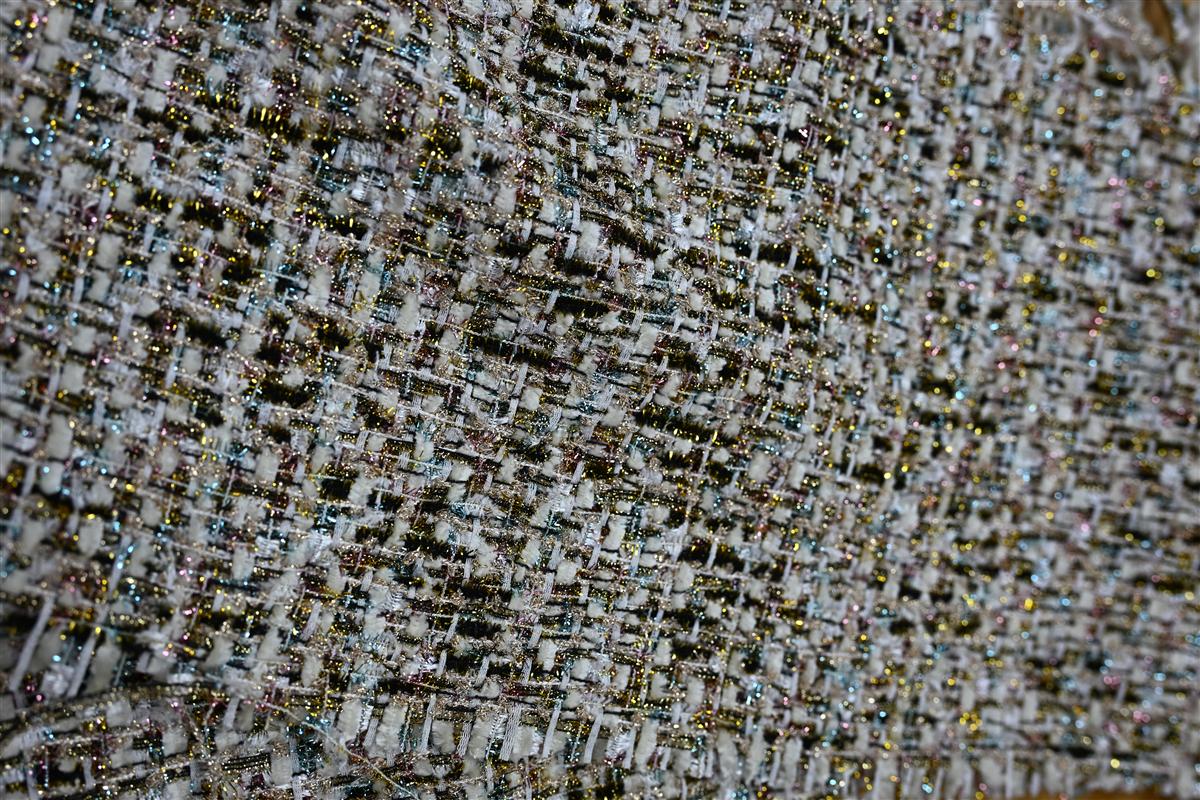
The Sourcing Manager’s Mill Audit Checklist
80% of tweed quality complaints trace back to dye-lot variation, not fabric defects.
The first thing I check when walking into a mill isn’t the looms — it’s the dye lab. If they don’t have one in-house, that’s a red flag. Most sourcing managers focus on weave density or yarn thickness, but the single biggest source of post-production disputes is color mismatch between batches. An in-house dye lab with spectrophotometers and controlled batch tracking is your first filter.
- OEKO-TEX Standard 100: Tests for harmful substances in the final fabric. Validates that no banned chemicals remain after finishing. Ask for the certificate number and verify it on the OEKO-TEX database — some mills display expired or borrowed certs.
- GRS (Global Recycled Standard): Confirms recycled content claims. But here’s the catch: GRS certification at the mill level doesn’t guarantee your specific yarn is recycled. Always request a scope certificate at the yarn level to prevent greenwashing in tweed blends.
- GOTS (Global Organic Textile Standard): For organic wool or cotton tweeds. Requires full supply chain traceability from field to finished fabric. If a mill claims GOTS but can’t show you their organic fiber purchase receipts, they’re likely blending conventional stock.
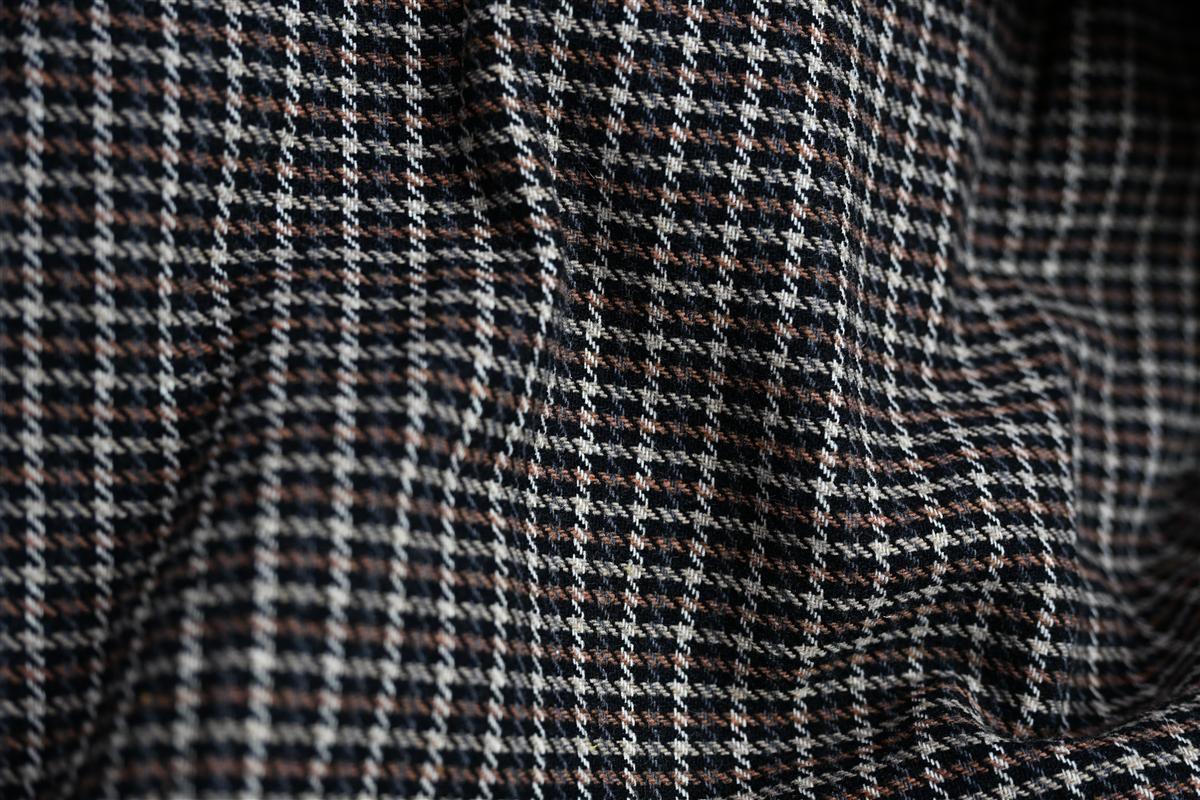
Fursone’s Factory-Direct Benchmarks: How We Stack Up
Proprietary spinning locks your custom texture to your line — not your competitor’s.
When I audit mills, the first question I ask is never about looms. It’s about their yarn source. If a mill buys bouclé or slub yarn off the open market, any brand can walk in and order the same cloth from the same supply chain. That kills exclusivity before you cut your first sample.
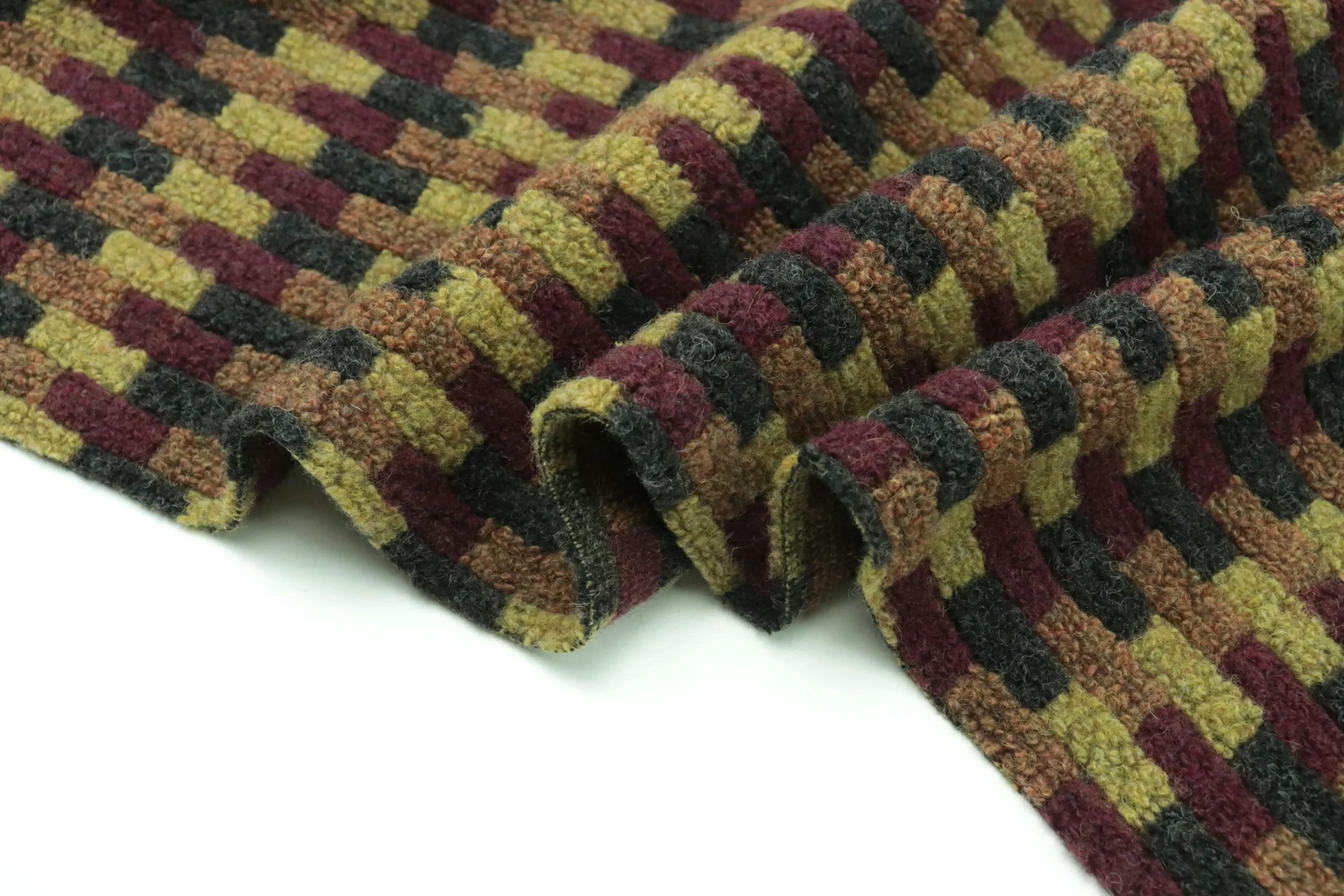
Fursone spins its own bouclé, slub, and chenille yarns in-house. That means when you develop a custom tweed texture here, it physically cannot be duplicated for another buyer — the raw material doesn’t exist on any wholesaler’s shelf. For a sourcing manager trying to protect a seasonal collection from lookalikes, that’s a structural advantage you can’t replicate with an NDA.
- Vertical integration unlocks 7-day sampling: Most European mills quote 3–4 weeks for a tweed swatch because they subcontract spinning or finishing. Fursone does all three stages under one roof in Wenzhou. A genuine 7-day cycle from concept to physical swatch is only possible when you control every machine between the raw fiber and the finished yard.
- Dye-lot consistency starts at the lab: 80% of tweed quality complaints trace back to dye-lot variation, not weave defects. Our in-house dye lab runs yarn-dyeing for multi-tonal melange effects with documented colorfastness standards per AATCC 16. You get visual consistency across production batches — not just within one roll.
Conclusion
When you audit a tweed mill, keep one number in mind: 80% of quality complaints stem from dye-lot variation, not fabric defects. That makes an in-house dye lab and vertical integration non-negotiable. A mill that spins, weaves, and finishes under one roof—like Fursone’s 7-day sampling cycle—delivers the consistency that open-market yarn suppliers cannot match.
Use these benchmarks to evaluate your next tweed supplier. For a direct comparison, browse Fursone’s factory-direct specifications and see how 100m stock and 1000m custom programs fit your quality assurance workflow.
Frequently Asked Questions
How to get a quote for Tweed Fabric Quality Benchmarks: A Sourcing Manager’s Checklist?
The exact answer depends on the product specification, quantity, and order setup. The safest approach is to confirm the commercial terms only after the final requirement sheet is. The final choice should be matched to the actual use case and performance target.
Can I request samples first?
The exact answer depends on the product specification, quantity, and order setup. The safest approach is to confirm the commercial terms only after the final requirement sheet is locked. Sample availability should be confirmed against the current stock and shipping plan.

Related Insights
ISO Grade 3-4 Pilling Resistance: What the Rating Really Means
When a fabric spec sheet lists “ISO grade 3-4 pilling resistance,” most buyers read it...

How Boucle Loops Are Formed: Yarn Twist and Loop Engineering
A buyer opens a fabric swatch, runs a thumb across the surface, and feels those...
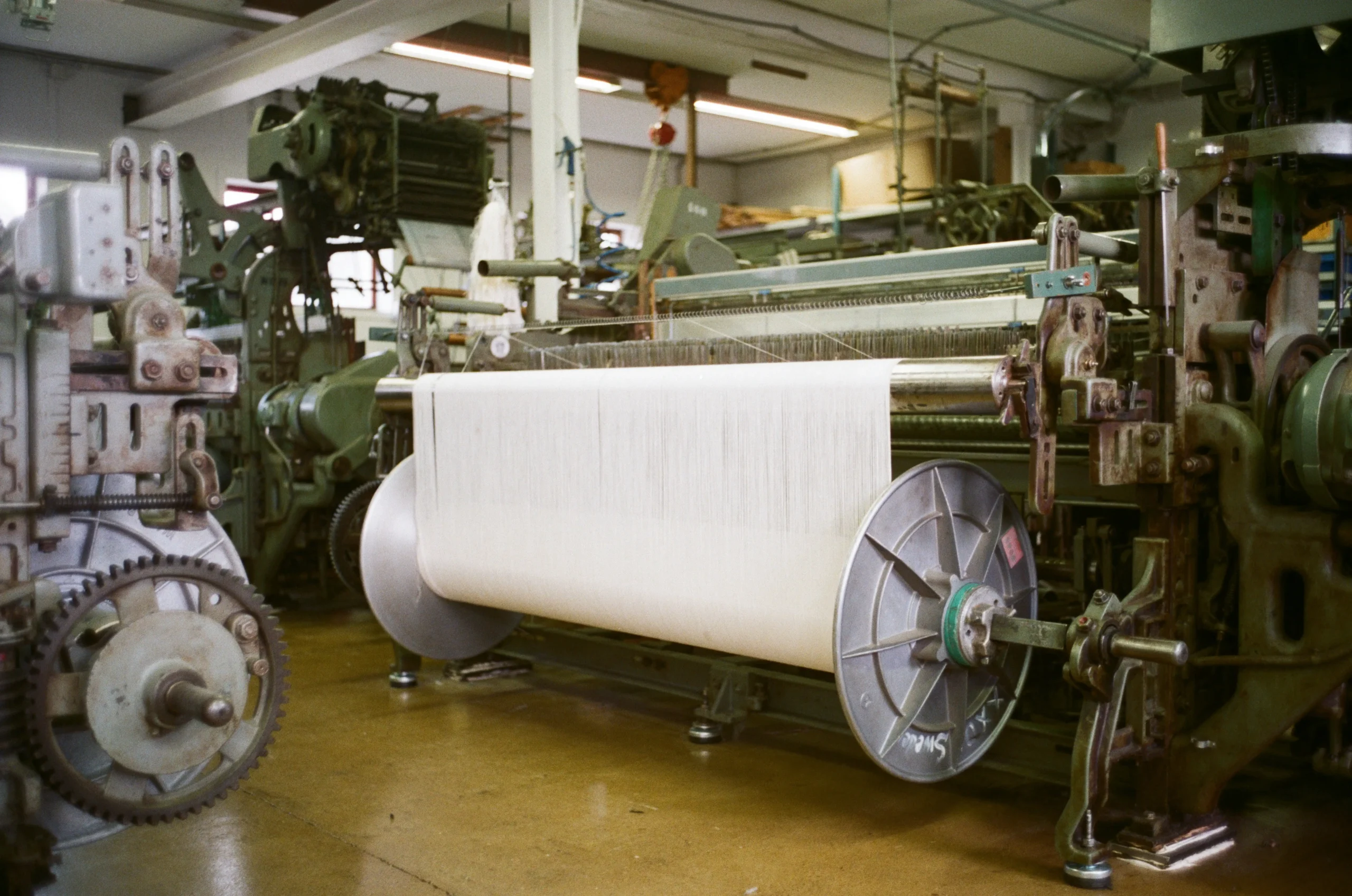
Inside a 300-Loom Wenzhou Tweed Factory: How Orders Flow
Every order that enters a wenzhou tweed factory with 300 looms follows the same spine:...